
Newsletter Signup
Stay up to date on all the latest news from Boston.com
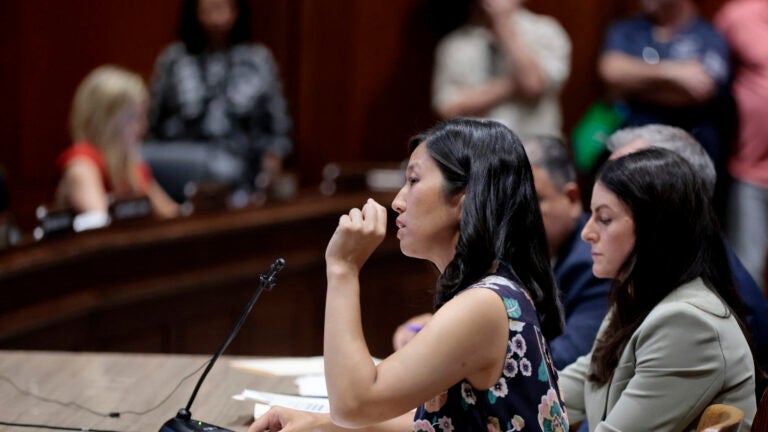
After Mayor Michelle Wu pushed for months to temporarily give Boston the power to increase the city’s commercial property tax rate, it appears that her proposal is dead on Beacon Hill.
In the spring, Wu said that Boston needed the flexibility to shift some of the property tax burden onto commercial real estate. The goal would be to offset an anticipated spike in residential property taxes caused by dropping commercial property values. Residential property owners would likely still see tax increases, but Wu says she is trying to soften the blow.
The idea was met with stiff opposition from many in the business community. Critics argue that the move would hamper a real estate industry already struggling with high vacancy rates caused by the shift to remote work. There are fears of a “doom loop,” where the city is forced to cut spending on public safety and other amenities, residents and businesses move elsewhere, and the city is left with less money to improve, causing more people to flee. The focus, they say, should instead be on increasing the city’s competitiveness and attracting new businesses.
Wu scored a win in June, when the City Council voted in favor of the plan. Wu then brought her argument to the State House, where she needed approval from lawmakers in both the House and the Senate. Gov. Maura Healey would also need to sign off on it.
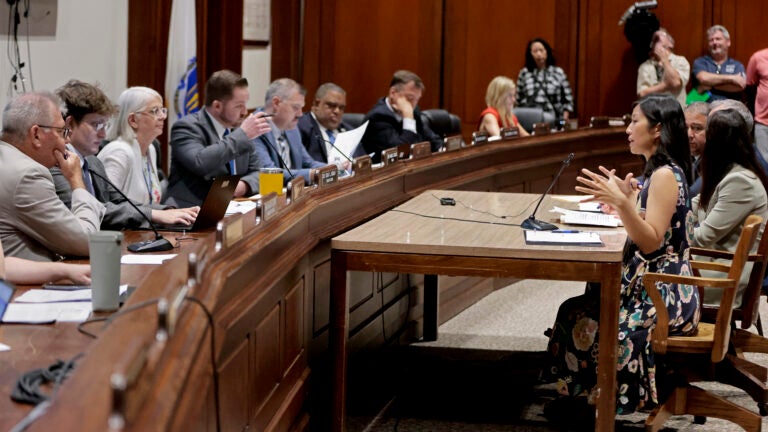
The mayor was met with a tepid response from members of the House in a hearing last month, with some asking why the city is not exploring other measures like tapping its rainy day fund. Others voiced concerns about the potential impact on small businesses.
Wu was able to strike a compromise with lawmakers, and her proposal was approved by House lawmakers just ahead of the ending of the Legislature’s formal session last week. The Senate did not take it up before the formal session ended in a tension-filled overnight marathon.
“This residential tax relief proposal — I’m not sure there’s something that could be more far reaching than the impact that this would have if it doesn’t go through,” Wu said during an appearance on GBH’s “Boston Public Radio” Tuesday morning. “Every single resident, every homeowner, every renter that will experience the impacts of taxes passed on through their leases, will most likely see a very significant tax increase … if this does not go through.”
During the GBH interview, Wu said that she was “very disappointed” over the lack of progress, and that she hopes the Legislature will reconvene. A number of bills were left on the table, and Healey publicly urged lawmakers to reconvene for a rare special formal session to work on a major economic development bill. There is momentum behind such a return from leaders in the State House.
Wu strove to keep the pressure on senators during her GBH interview.
“If this does not happen, every single resident in the city of Boston will know that their taxes are going up because the Senate did not vote through that last step,” she said.
Senate President Karen Spilka responded forcefully to Wu later on Tuesday.
“Blaming the Senate may be politically convenient for the mayor, but it does nothing to improve a policy proposal that has been widely questioned by fiscal watchdog agencies and could do serious damage to Boston’s economy,” a spokesperson for Spilka said in a statement to The Boston Globe. “The Senate president has received no indication that there is sufficient support among senators for this policy proposal to move forward.”
When asked about Spilka’s response Tuesday evening, Wu told the Globe that she and her staff will be available for any conversations about the tax proposal that lawmakers want to have going forward.
“I have tremendous respect for the work that is before our state Legislature; they have a much wider purview than any individual mayor and any cities, and I know that that is an incredibly complex balance of how to get all the things done that they need to get done for communities all across the Commonwealth,” Wu told the paper.
Stay up to date on all the latest news from Boston.com




To comment, please create a screen name in your profile
To comment, please verify your email address
Conversation
This discussion has ended. Please join elsewhere on Boston.com