
Newsletter Signup
Stay up to date on all the latest news from Boston.com
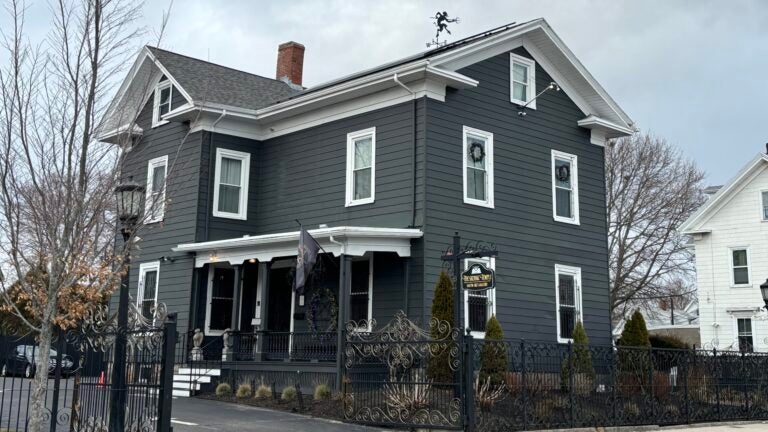
The Boston City Council’s practice of inviting religious organizations to lead a prayer before meetings does not violate the First Amendment, a federal appeals court ruled.
“We hold that The Satanic Temple has not shown that Boston’s legislative prayer practice, either on its face or as applied, violates the Establishment Clause or the Massachusetts Free Exercise Clause,” a judge ruled on Tuesday.
The Satanic Temple (TST) sued the Council for religious discrimination after the governing body denied the Salem-based temple’s request to lead an invocation before a council meeting. TST filed their first official complaint in 2021, but court documents say the dispute began in 2016.
TST claims Boston City Council’s practice of inviting representatives of other faiths to lead invocations ensures that only specific faiths “approved by council members” are allowed to speak.
“Boston’s City Council has a standing policy that each Council member is given two or three dates per year to invite a speaker of their choice to deliver the opening prayer before each meeting,” a statement from the temple said “Satanists have thrice asked the City Council to allow them the opportunity to give the opening invocation. In each instance, the Council has informed the Temple members that they do not accept requests.”
Court documents say the City Council invited members of many different faiths to lead invocations, and they did not violate the First Amendment by not inviting the TST.
TST does not have a working relationship with any city councilor, and councilors reported being unaware of any significant positive impact on the community by TST that would warrant an invitation, the court wrote.
“There are many neutral, non-discriminatory reasons why TST has not been invited to give an invocation,” the opinion said.

Stay up to date on all the latest news from Boston.com



To comment, please create a screen name in your profile
To comment, please verify your email address
Conversation
This discussion has ended. Please join elsewhere on Boston.com