
Newsletter Signup
Stay up to date on all the latest news from Boston.com
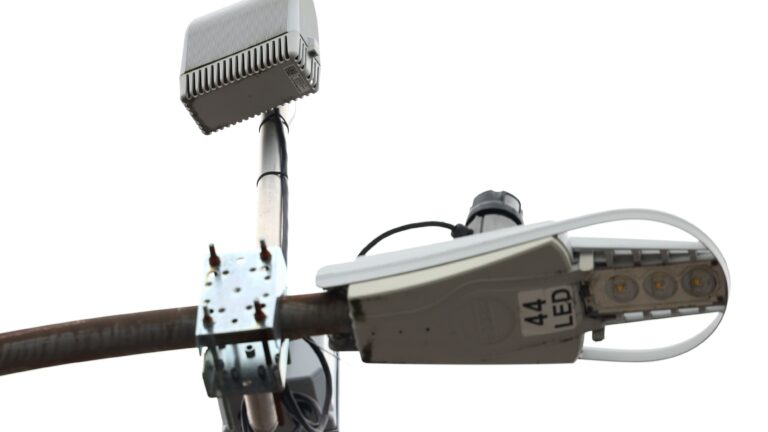
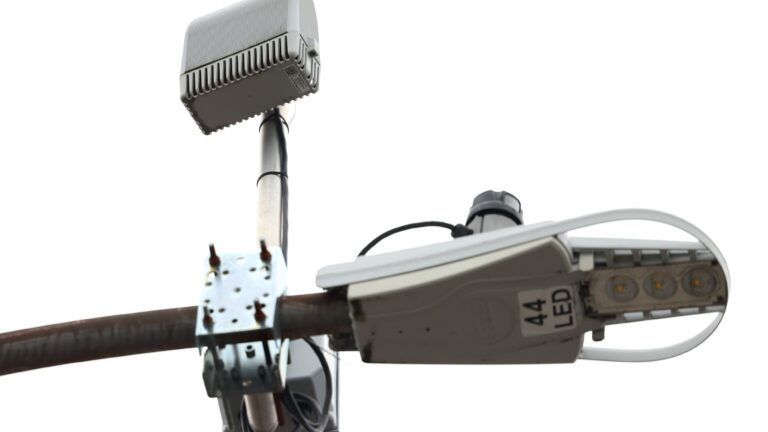
The company behind controversial gunshot detection technology ShotSpotter fired back against claims made by several Massachusetts legislators in a letter sent to the Department of Homeland Security (DHS) last month, saying they used “cherry-picked data” and “recycled falsehoods” when asking for the technology to be federally investigated.
The company’s response is addressed to four legislators, including Senators Ed Markey and Elizabeth Warren and Representative Ayanna Pressley. The four sent a request for an investigation into the technology to DHS in May, saying ShotSpotter contributes to over-policing in minority communities and may be a violation of the Civil Rights Act of 1964.
“With all due respect, your letter — which we first heard about from media outlets — draws from selected news reports and studies that have been proven incorrect, incomplete, or unreliable,” the letter, signed by SoundThinking President and CEO Ralph Clark, reads.
Clark’s letter maintains that ShotSpotter, which relies on acoustic sensors to detect gunshots, is accurate and effective, helping to “save lives, locate suspects, and collect critical evidence.”
“ShotSpotter works. ShotSpotter saves lives. And ShotSpotter does both while complying with Title VI of the Civil Rights Act of 1964,” the letter reads.
The technology aims to help police respond to shots fired incidents that are not called in to police, according to SoundThinking.
In the letter, SoundThinking responds to legislators’ claims that ShotSpotter violates civil rights because it is most often deployed in communities of color, saying that “elected officials of minority-majority communities are among ShotSpotter’s most vocal proponents.”
“These geographic decisions are color-blind–they are based on empirical data,” Clark wrote. Sensors are deployed in areas where rates of gun violence are highest, SoundThinking says.
Clark cites a study out of Chicago that showed Hispanic people and African Americans were more likely to support funding of the technology than white people.
“Because communities of color unfortunately have long borne the brunt of gun-related violence, residents of these neighborhoods are among the most supportive of ShotSpotter’s benefits,” Clark said.
Clark also responded to a study by the ACLU mentioned in legislators’ letter which showed that Boston police found no evidence of gunfire in nearly 70 percent of ShotSpotter alerts. In addition to refuting claims that the system was once set off by a piñata, Clark says Boston Mayor Michelle Wu backs the system.
“Wu ‘strongly backed the police department’s plans to continue using ShotSpotter technology she said has led to ‘countless instances’ of lives being saved in the city,’” the letter reads, quoting a Boston Herald article. “Going a step further, Mayor Wu ‘[b]att[ed] away criticism that the gunshot system…is ineffective and racially biased…sa[ying] the city’s strategy to use it mainly in minority communities aligns not only with data that shows that gun violence disproportionately occurs in those areas, but with feedback from residents there who often say they want a faster police response and better surveillance.’”
Wu’s office did not immediately return a request for comment about her support of the system nor response to SoundThinking’s letter.
The letter also addresses claims that the technology is inaccurate and flags loud sounds — such as fireworks or cars backfiring — as gunshots. A study of two major cities by the Brookings Institution in 2016 found that only about 12 percent of gunshot incidents resulted in a 911 call.
According to the letter, SoundThinking guarantees cities it contracts with a 90 percent accuracy rate but has an actual accuracy rate of 97 percent, according to an analysis by Edgeworth Economics.
Clark cites a memo from Oakland, Calif. that said the city’s police department credits ShotSpotter with the survival of several gunshot victims because of the quick police response in response to an alert. Similar situations are reported in cities in Illinois, Florida, and South Carolina, according to the letter.
Suspects have also been arrested based on ShotSpotter alerts, Clark says in his letter, citing a June incident in Roxbury where police found shell casings at the scene of an alert and connected them to a suspect.
Clark asserts that the cities that have chosen to not renew their ShotSpotter contracts, notably Chicago, are only a small handful of the over 170 municipalities that contract with the company.
“The facts are that, while 10 communities chose not to renew with us between 2023 and 2024 year to date, 136 communities across the country renewed over the last 12 months alone and 25 of those customers didn’t just renew, they expanded their coverage areas,” the letter reads.
Clark invited legislators to ShotSpotter’s Incident Review Center in Washington, D.C., so that the company could provide a “demonstration” of how the technology works.
The legislators’ letter to DHS says high error rates have been reported for the technology, pointing to data from Cambridge and Boston. It also cites a 2021 study from the Journal of Public Health that found ShotSpotter had “no significant impact on firearm-related homicides or arrest outcomes.”
In asking DHS to investigate possible civil rights violations, legislators voiced concerns that most audio sensors are installed in minority communities, contributing to over policing and disproportionate surveillance of those communities.
Pressley and Warren did not immediately return requests for comment. A spokesperson for Markey said the concerns voiced in the letter are “well-documented.”
“There are serious, well-documented concerns about the use of federal funds to support a technology that may contribute to unjustified surveillance and over-policing of minority communities, and violate the Civil Rights Act,” the spokesperson said in a statement to Boston.com. “We have asked the Department of Homeland Security to investigate the situation with ShotSpotter, and we look forward to the Department’s response.”
Stay up to date on all the latest news from Boston.com




To comment, please create a screen name in your profile
To comment, please verify your email address
Conversation
This discussion has ended. Please join elsewhere on Boston.com