
Newsletter Signup
Stay up to date on all the latest news from Boston.com
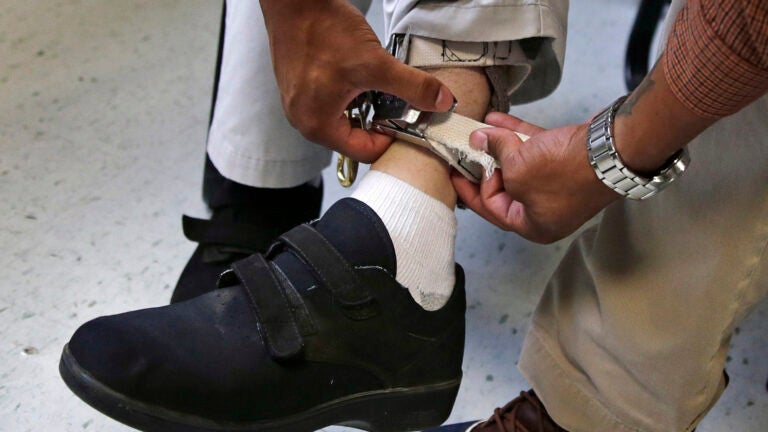
The state is putting its support behind a proposed federal ban on electrical shock devices as treatment for people with disabilities, while a Massachusetts school remains the only facility nationwide to use the devices.
The electrical stimulation devices, or ESDs, deliver shocks through electrodes attached to a wearer’s skin to curb self-harming or aggressive behavior. The Food and Drug Administration said in March that the devices cause “unreasonable and substantial risk of illness or injury.”
A facility in Canton is the only one in the country that still uses ESDs in their treatment plans, according to the FDA. The Judge Rotenberg Education Center, a day and residential school for students with disabilities, uses or potentially uses the devices for about 50 patients. the FDA says.
Governor Maura Healey’s administration told the FDA on Monday that they support the ban. Secretary of the Executive Office of Health and Human Services Kate Walsh wrote in a letter to the FDA that they support the ban of ESDs on patients.
Walsh also wrote that Massachusetts will support and assist in a 180-day transitional period for patients who currently use the device in their treatment plans.
The Canton residential home, or JRC, defended the use of the devices in a statement to Boston.com. A spokesperson said that families have seen “tremendous success” with the treatment.
“This treatment is a matter of life or death for a small number of our clients,” their statement said, in part. “It has stopped or minimized the extreme self-mutilating behaviors of the small group of clients who have court authorization for the use of the device. These behaviors include eye gouging, pulling out one’s own adult teeth, headbanging to the point of stroke, blinding oneself, chewing off body parts and other dangerous life threatening behaviors.”
Last year, the state’s highest court backed the JRC’s use of the devices. The Supreme Judicial Court determined the shocking treatment is still legal for patients with intellectual or developmental disabilities, including autism, GBH News reported.
The court upheld a 1987 consent decree that protects the JRC, which the court called a “narrow question” in the scope of the treatment controversy.
“This case thus involves a heart-wrenching issue: continue to protect a controversial practice that has widely been criticized, or pave the way for its prohibition at the risk of subjecting these vulnerable patients to a life of sedation and restraint, or extreme self-injury,” Chief Justice Scott Kafker wrote last year.
The Autism Self Advocacy Network, a national organization, said they’ve been advocating against JRC for more than a decade.
“The JRC says they need to use the devices on the people who live there,” the nonprofit said. “But the JRC is the only place in the United States that uses electric shocks. All across America, people with the same disabilities as the people at the JRC get support that helps them with the exact same problems, without torture.”
A public comment period on the ban ended Monday, and the FDA will issue their final ruling soon.

Stay up to date on all the latest news from Boston.com




To comment, please create a screen name in your profile
To comment, please verify your email address
Conversation
This discussion has ended. Please join elsewhere on Boston.com