
Newsletter Signup
Stay up to date on all the latest news from Boston.com
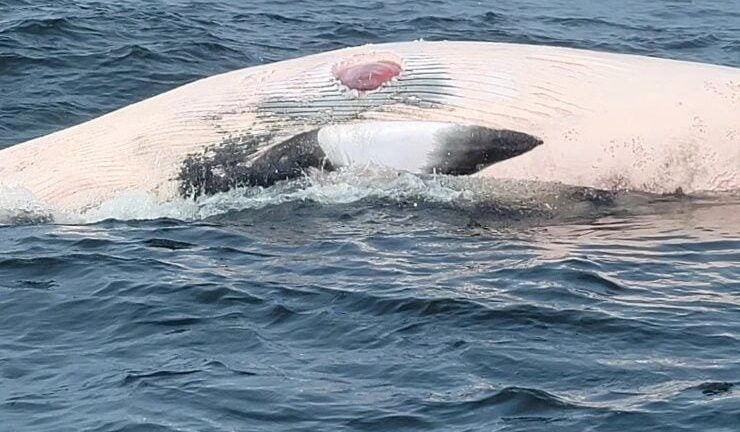
During a hot and sunny Memorial Day weekend, scientists want beachgoers to be alert for white sharks that have already taken a few bites out of local marine life.
This week, a minke whale off Chatham and a seal off Plymouth were spotted with white shark bites, according to scientists at the New England Aquarium.
John Chisholm, an adjunct scientist at the aquarium’s Anderson Cabot Center for Ocean Life, captured a photo of the injured seal with “fresh bite marks.”
“Although we haven’t seen a white shark just yet this season, we know they’re here. With beach weather in the forecast and Memorial Day Weekend approaching, this is a good reminder for people to review shark safety guidelines and be shark smart,” said Chisholm.
Although there hasn’t been an official white shark sighting yet this year, May is a typical time for white sharks to become active around Massachusetts as they hunt seals and other prey through the summer. Scientists urged the public to be aware of their surroundings even in shallow water.
Chisholm encourages swimmers to avoid areas where there are seals or visible schools of fish. He also recommends staying close to shore so emergency responders can easily access anyone who needs help.
Those who spot white sharks can report sightings through the Atlantic White Shark Conservancy’s Sharktivity app.
Sharktivity users can see where sharks have been reported and can get push notifications when there are sightings. Chisholm verifies the sightings as part of a partnership between the aquarium and the Atlantic White Shark Conservancy.
“One of the Aquarium’s core values is to balance ocean use with preservation, and a big part of that is finding ways to minimize conflict between humans and wildlife,” said Nick Whitney, senior scientist and chair of the Anderson Cabot Center’s Fisheries Science and Emerging Technologies program. “This partnership with the Conservancy has been a great way for us to lend our expertise to their efforts to increase public awareness and safety around sharks, and we look forward to another year of assisting in those efforts.”

Stay up to date on all the latest news from Boston.com




To comment, please create a screen name in your profile
To comment, please verify your email address
Conversation
This discussion has ended. Please join elsewhere on Boston.com