
Newsletter Signup
Stay up to date on all the latest news from Boston.com
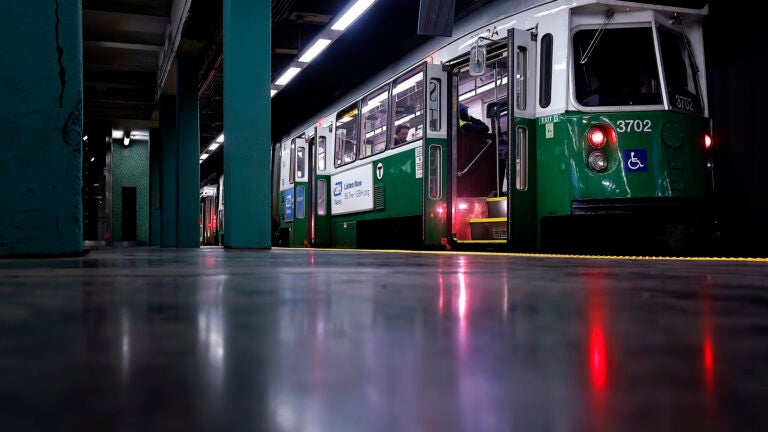
The MBTA Board of Directors unanimously approved a plan to reduce fares for low-income riders this week.
Riders between the ages of 26 and 64 who make $30,000 a year or less will be eligible. Reduced fare programs already exist for seniors, students, riders with disabilities, and people between the ages of 18 and 25 with low income.
Riders who are deemed eligible under the new program will have access to half-priced fares for all subway, bus, commuter rail, and ferry service. The changes are scheduled to go into effect this summer.
In a presentation, the MBTA Advisory Board cited a study conducted by MIT in 2019 where 240 low-income residents were given a 50% discount on rapid transit tickets for four months. That study found that the recipients of the reduced fares took 30% more trips during that time. This included more trips to healthcare and social service providers, and more trips during off-peak service times.
The new program is expected to enroll 62,000 riders and induce up to 8.1 million annual trips by Fiscal Year 2029, according to a presentation from the meeting.
“Expanding low-income fares will help to ensure that our transportation system is more equitable and more affordable, which supports the mission to give everyone greater access to mobility options, especially community members depending on transit,” Secretary of Transportation Monica Tibbits-Nutt said in a statement.
The MBTA and its partners have been researching and planning these changes for a decade.
“The introduction of a low-income fare program is a huge step toward making the MBTA more affordable and equitable. We know that the MBTA is a lifeline for thousands of people and that this program will make it easier for all people, regardless of age or ability, to get where they need to go,” LivableStreets Alliance Executive Director Stacy Thompson said in a statement.
Riders will apply online, and eligibility will be determined by existing enrollment in SNAP and MassHealth programs. Those that are deemed eligible will be mailed special CharlieCards that allow them to purchase half-priced tickets. The MBTA will work with third-party community partners to help with customer service and eligibility verification. They will focus on in-person locations where riders can get face-to-face help with their applications.
Also included will be service on The Ride, the MBTA’s paratransit service that provides door-to-door service for disabled people. “Premium trips” on The Ride, ones that begin or end more than three-quarters of a mile from bus or subway service, were initially planned to remain at full price for low-income riders. But Tibbits-Nutt proposed an amendment to include “premium trips” in the reduced fare program after Board members heard from multiple advocates during a recent meeting.
The Board also approved two other, smaller fare changes. Paper tickets with stored value on them will no longer be issued as change on buses and Green Line and Mattapan Line trolleys. Instead, riders are being encouraged to pay the exact fare in cash or to load cash onto CharlieCards that are available on the buses and trolleys.
The MBTA’s $10 commuter rail weekend pass is being expanded to include federal holidays that create three-day weekends. Riders will have access to unlimited commuter rail trips on all three days of these weekends when they purchase a pass.
Gov. Maura Healey signed a budget last year that included $5 million to start the initiative. She proposed an allocation of $45 million in funds from new taxes on high-earners to fund the reduced fare program in a budget for the upcoming fiscal year. The Legislature has yet to approve it. MBTA General Manager Phillip Eng said this week that he was optimistic about it being approved.
Officials estimate the reduced fare program will cost at least $23 million in the upcoming fiscal year. Costs could grow to as much as $62 million annually over the first five years of implementation as awareness and enrollment increases. The MBTA faces an estimated budget gap of $628 million next fiscal year.
Stay up to date on all the latest news from Boston.com





To comment, please create a screen name in your profile
To comment, please verify your email address
Conversation
This discussion has ended. Please join elsewhere on Boston.com