
Newsletter Signup
Stay up to date on all the latest news from Boston.com
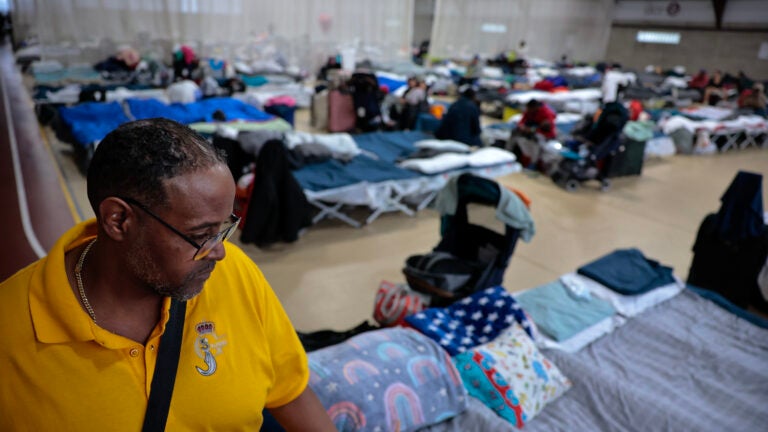
Massachusetts lawmakers — amid an unprecedented demand in emergency housing — will vote Wednesday to cap the length of a stay in the shelter system at nine months to a year.
The House Committee on Ways and Means announced a new supplemental budget proposal Tuesday, which would also include an additional $245 million to fund the Emergency Assistance program through June.
Lawmakers are proposing that a stay in the shelters last no more than nine consecutive months. An additional three months would be available to those employed or in a job training program.
Pregnant women, disabled people, and people with other conditions would be eligible to stay for a year, regardless of employment.
Right now, there is no maximum stay in the Massachusetts shelters for individuals and families. The average stay in 2023 was 14 months.
Lawmakers said in a statement that the nine month to a year limit is a “balanced strategy” that would help alleviate a growing waitlist. The cap would ensure that Massachusetts’s right-to-shelter law would be maintained despite the steady rise in need across the state. Last fall, Gov. Maura Healey began capping the number of families offered shelter at 7,500.
“By ensuring that folks exit the shelter system in a timely manner, after receiving ample support aimed at helping them to successfully enter the workforce, this bill will help to ease the strain being placed on our shelter system over time, and on the communities that are on the frontline of this crisis,” House Speaker Ronald Mariano, from Quincy, said in a statement.
The $245 million would fund workforce training programs, Family Welcome Centers, staff, resettlement agencies, and early education programs.

Stay up to date on all the latest news from Boston.com




To comment, please create a screen name in your profile
To comment, please verify your email address
Conversation
This discussion has ended. Please join elsewhere on Boston.com