
Newsletter Signup
Stay up to date on all the latest news from Boston.com
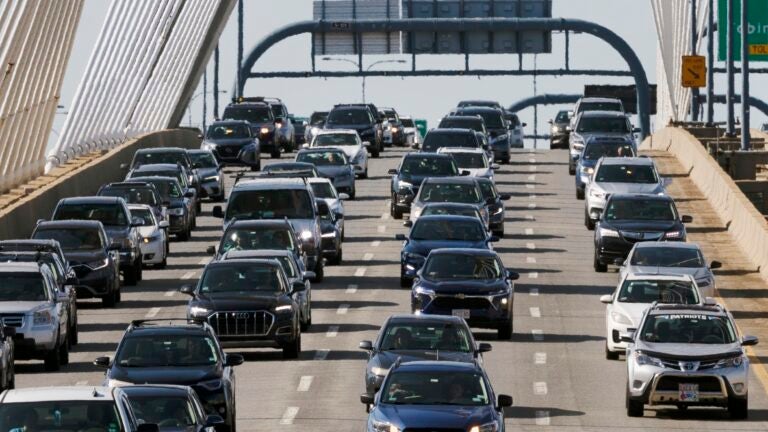
Boston City Council is set to explore the possibility of implementing a congestion pricing system and the impacts it could have on residents.
Congestion pricing is a method of reducing traffic and emissions by charging fees for those on the roadways during certain hours of the day.
Councilor Tania Fernandes Anderson introduced a hearing order on the matter during Wednesday’s City Council meeting. Any sort of congestion pricing plan for Boston still has many hurdles to clear, but Fernandes Anderson said that now is the time to foster a deeper conversation on the idea.
Constituents have told Fernandes Anderson that they are concerned about traffic in general, and streets getting narrower and more congested due to the addition of bus and bike lanes, she said. There are also concerns about emergency vehicles successfully navigating crowded streets.
Fernandes Anderson gave brief remarks Wednesday about the potential benefits of congestion pricing, while underscoring the importance of helping underserved communities manage the impacts of such a plan.
“I am of the mindset that we as a city should use the tax dollars, our constituents’ resources, to invest in transitioning populations or different families, especially of marginalized backgrounds to be able to get them to a place where transit transportation is an option,” she said. “Not forcing this as a policy on the city, but [I] just want to have a conversation about the possibilities.”
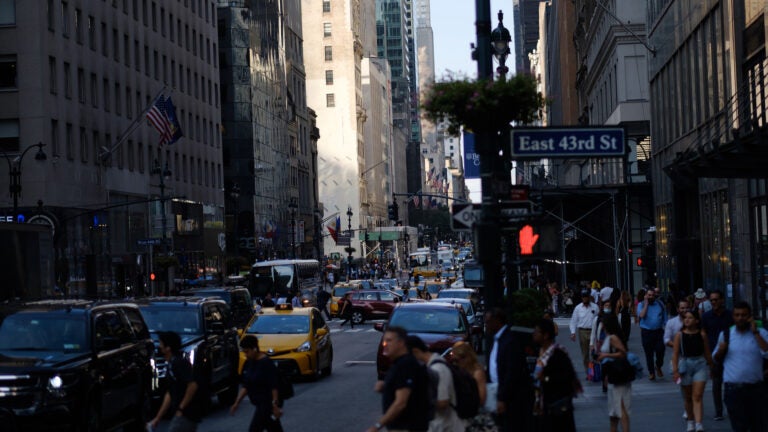
In the hearing order, Fernandes Anderson referenced efforts by New York officials to implement congestion pricing in Manhattan. It could go into effect as soon as this spring.
In December, the board of New York’s Metropolitan Transportation Authority voted in favor of recommendations that a $15 fee be imposed on cars entering Manhattan below 60th Street once per day. The recommendations called for commercial trucks to pay up to $36, and for extra fares on taxis, Uber, and Lyft rides.
In New York, drivers who make less than $50,000 a year would not have to pay the fees for their first 10 trips into the designated congestion zone each month. Emergency vehicles would be exempt, as would vehicles transporting people with disabilities and drivers who live in the congestion zone and make $60,000 or less per year.
Congestion pricing would generate millions of dollars for the upkeep, repair and maintenance of MTA infrastructure in New York City, according to the hearing order. New York Gov. Kathy Hochul has supported it.
New York City would be the first in the U.S. to implement a congestion pricing plan. Singapore, Stockholm, and London all have some form of congestion pricing.
“A set fee placed on drivers of various vehicles could bring money and resources toward other elements of the community, reduce traffic, increase transit use and improve air quality, creating environmentally and eco-friendly solutions, as well as functioning as a tangible solution for those feeling preyed upon and thinking that the city is not hearing their feedback,” Fernandes Anderson’s hearing order reads.
The Massachusetts Republican Party came out against the idea this week.
“Such a measure is unsustainable and unfair, particularly for individuals compelled to drive in and out of the city for work purposes daily,” MassGOP Chairwoman Amy Carnevale said in a statement. “For individuals undergoing cancer treatment, accessing essential healthcare could result in substantial costs.
“We must adopt a realistic perspective on automobiles,” she wrote. “While Democrats often perceive cars as luxury items, they are, in fact, indispensable for Massachusetts residents. I implore the city council to prioritize measures that enhance Boston’s affordability rather than unfairly burdening those who do not share their political views through disproportionate taxation.”
During the meeting Wednesday, Councilor Ed Flynn asked whether a congestion pricing plan would impact certain areas of Boston or the entire city. Fernandes Anderson said she was not in a position to answer that question, and called for a collective conversation on what sort of congestion pricing would be best for the city.
Flynn and Councilor Erin Murphy were the only members who did not add their names as co-sponsors to the hearing request. It was referred to the Committee on Planning, Development, and Transportation.
“Filing for a hearing order is asking to hold a conversation,” Fernandes Anderson said. “While we want to be transit-oriented and we agree that carbon emission is a goal for us, we cannot necessarily force policies or implementation of practices that essentially disenfranchises or isolates those who are not prepared to transition into a different lifestyle.”
Stay up to date on all the latest news from Boston.com



To comment, please create a screen name in your profile
To comment, please verify your email address
Conversation
This discussion has ended. Please join elsewhere on Boston.com