
Newsletter Signup
Stay up to date on all the latest news from Boston.com
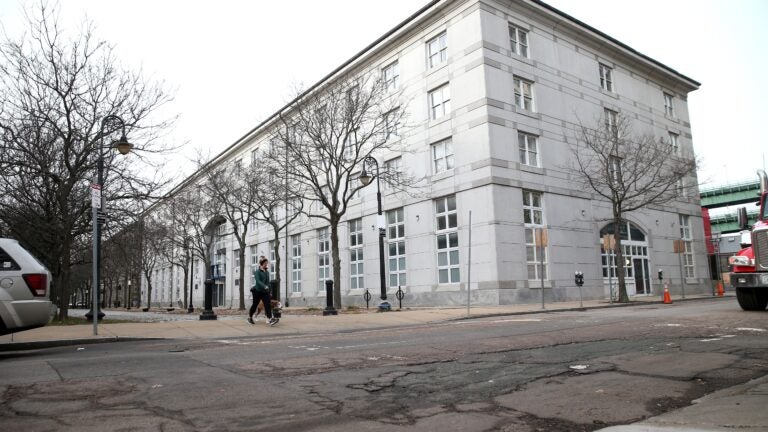
A group of Charlestown residents is suing Boston Mayor Michelle Wu and the city’s urban planning agency to stop the conversion of a former hotel into affordable and permanent supportive housing.
The lawsuit, filed Tuesday in Suffolk Superior Court by 11 Charlestown homeowners, takes aim at a Boston Planning and Development Agency (BPDA) project that would renovate 147 hotel rooms at the Constitution Inn, located in the Navy Yard, into 100 rent-restricted residential units. Residents claim in the initial filing that BPDA approval of the project violated their First Amendment rights and that its implementation could cause “significant adverse harms.”
The project would set aside units for women and veterans and would incorporate a program tailored toward supporting people dealing with homelessness. The rest of the space would be rented back to the YMCA to use for their existing gym and swimming pool.
In the lawsuit, residents claim the BPDA failed to take into account their resistance to the proposal, which allegedly included “over 100 letters and emails” and chat comments on virtual meetings. This amounts to a violation of their freedom of speech, petition, and assembly, the suit says.
The Navy Yard residents raised numerous concerns about the project they say the BPDA ignored, including safety issues, an increase in traffic, a lack of parking, and an overburdening of the medical system. Further, plaintiffs say, the proposal fails to take into account the lack of health services in the area, the absence of a “full-service police station,” and a scarcity of amenities like pharmacies and supermarkets.
“Further, medical professionals have expressed opposition to the [project], as Charlestown does not have the requisite resources or services to support the homeless population, the majority of which have complex health problems — both mental and physical — and are often dealing with substance abuse, and it would over-burden an already severely taxed medical system in the Charlestown area,” the filing reads.
Providing housing, the lawsuit says, would not remedy residents’ substance abuse issues or make healthcare more accessible to them.
“Studies have demonstrated that, while the permanent supportive housing model for the homeless, increases the availability of housing, it does not decrease the number of overdoses or deaths, nor does it decrease costs of care,” the suit reads.
Charlestown’s opioid crisis is worse than almost any other neighborhood in Boston, according to the Charlestown Coalition.
In the filing, residents also say the BPDA failed to consider how the residents of the affordable housing would “support” themselves. Because there are “few to no” jobs available in the Charlestown Navy Yard, plaintiffs say, residents would have to rely on public transportation, which is “a single bus that passes through the area infrequently,” according to the lawsuit. The Navy Yard is also around a 25 minute walk from North Station.
In a November response to public comments, the project’s applicants wrote that the plan will not include “recovery housing” and will not allow “illegal drug activity,” though it would not have a sobriety requirement.
The proposed housing would dedicate 48 units to the permanent supportive housing model, providing affordable housing plus on-site supportive services for people experiencing homelessness. Thirty-two of those units will be set aside for households that are led by women and 16 for households that include veterans, BPDA’s description of the project states.
The other 52 units would be leased to households earning less than 80% of area income, and the remaining space would be leased back to the YMCA to continue its existing fitness facility and aquatic program.
A description of the proposal says that the project would include the implementation of a “dedicated shuttle” for residents. The project would also include 24/7 “private concierge style security” and professional wellness staff on-site, the applicants’ response says.
In addition to Wu, the lawsuit names all voting members of the BPDA Board, the Planning Office for Urban Affairs, Constitution Inn, and Saint Francis House, a homeless shelter in Boston. This is the second lawsuit of the year filed against the BPDA over a “problematic approval process” of affordable housing.
“As a matter of human dignity, we believe in the importance of permanent, safe, high-quality affordable housing,” applicants of the project wrote in response to public comment. “With permanent affordable housing at The Independence, the residents of the PSH units will have access to an unprecedented level of services to assist them in living fully in a more stable housing experience.”
Stay up to date on all the latest news from Boston.com





To comment, please create a screen name in your profile
To comment, please verify your email address
Conversation
This discussion has ended. Please join elsewhere on Boston.com