
Newsletter Signup
Stay up to date on all the latest news from Boston.com
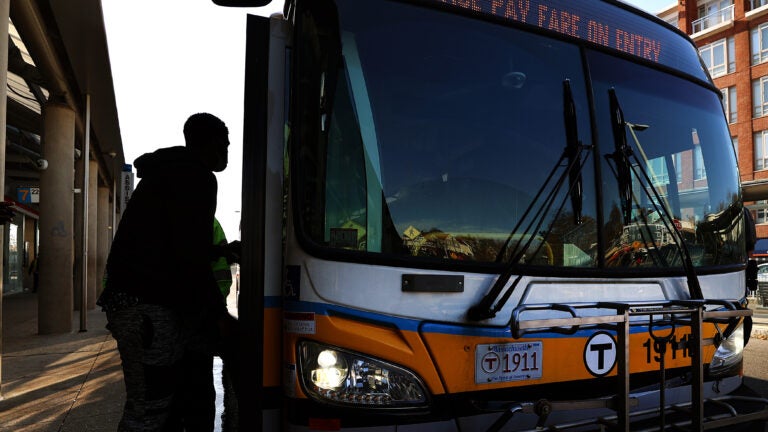
After a two-year pilot program, MBTA bus routes 23, 28, and 29 will continue to be free for commuters until March of 2026, Boston Mayor Michelle Wu announced Tuesday.
Wu made the routes free as one of her first moves when she took office in 2022. The program cost $8 million — funded by COVID-19 pandemic relief money from the American Rescue Plan Act.
To extend the free fare program, the City will be reimbursing the MBTA $350,000 a month for the next two years, amounting to about $8.4 million. The ARPA funds will also pay for the extension, the city said.
The City of Boston said that after 12 million trips on the fare-free routes, riders saved a total of $6 million and up to $35 a month. Some riders, like those who purchase $90 monthly passes, did not save money.
The routes, which Wu’s office said make up one of Boston’s busiest bus corridors, go from Mattapan and Ashmont to Orange Line connections. The 23 goes to Ruggles on Washington Street through Dorchester, and the 28 also goes to Ruggles via Blue Hill Avenue. The 29 goes from Mattapan to Jackson Square.

Rep. Ayanna Pressley and Sen. Ed Markey, who are championing fare-free programs at the national level, said the pilot was “groundbreaking.”
“Public transit should be a public good,” the lawmakers wrote in a joint statement. “It must be made accessible and affordable so that everyone, including Black, Brown, and low-income riders who disproportionately use public transit, can get to work, school, the grocery store, and access other critical services without worrying about the cost.”
Wu said the pilot not only saved commuters money, but helped to increase ridership on the routes. The 23 and the 28 both rebounded close, if not more, to pre-pandemic ridership levels, while the 29 is over halfway towards a full rebound.
According to the city, the 28 became the most popular bus route in the city during the pilot.
“Fare free bus routes have been proven to make public transportation more convenient, accessible, and affordable for our residents who depend on transit to get to work and school,” Wu said. “Community members have emphasized that this program helps them save money, and encourages more trips without worrying about exact change or rationing travel.”

Stay up to date on all the latest news from Boston.com




To comment, please create a screen name in your profile
To comment, please verify your email address
Conversation
This discussion has ended. Please join elsewhere on Boston.com