
Newsletter Signup
Stay up to date on all the latest news from Boston.com
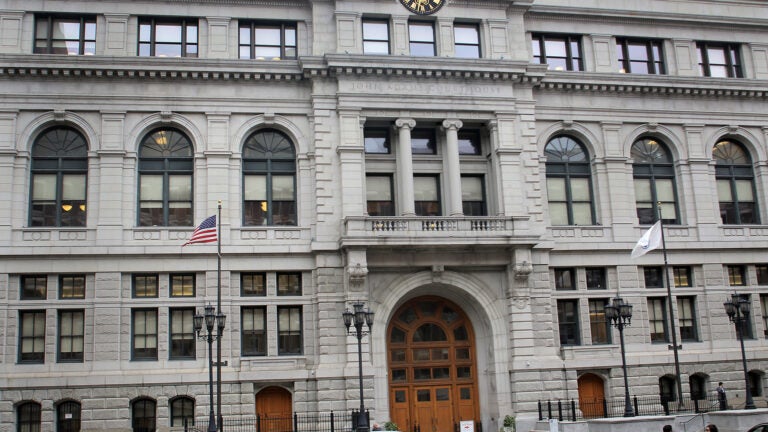
Adults convicted of crimes committed while they were under the age of 21 cannot be sentenced to life without parole, the Massachusetts Supreme Judicial Court has ruled.
“The brains of emerging adults are not fully mature. Specifically, the scientific record strongly supports the contention that emerging adults have the same core neurological characteristics as juveniles have,” Chief Justice Kimberly Budd wrote in the decision Commonwealth v. Sheldon Mattis.
Massachusetts is one of 12 states that mandates life without parole for first-degree murder convictions. Before this ruling, Massachusetts was only one of 10 states that required first-degree murderers aged 18 through 20 to be sentenced to life without parole.
In a 4-3 decision, the state’s highest court found that, due to neurological and legal precedent, “emerging adults” defined as 18-, 19-, and 20-year-olds, should be entitled to the same protections from the landmark case Diatchenko v. District Attorney for Suffolk County. In 2013, the SJC found that juvenile life without parole sentences are unconstitutional.
The Mattis decision would apply retroactively, so prisoners who were 18 to 20 at the time of their offense will be eligible to apply for parole, the Suffolk County District Attorney said. About 70 inmates will be eligible to apply as a result of the decision.
The court chose to define emerging adults as under 21 using a combination of scientific and legal evidence, the justices said in their decision. Adults under 21 cannot buy alcohol, carry a gun, or be a police officer, for example. The court also weighed 17 amicus briefs submitted by neurologists and cited research showing the brains of emerging adults are not fully developed.
“Upholding such sentences means that we disregard the best science and continue to impose the most severe penalty on a distinct legal category of individuals that we know are less culpable and more capable of change,” Justice Scott Kafker wrote in a concurring opinion.
The decision outlined other state laws involving youth offending. California extended youth parole eligibility to people who committed crimes under the age of 25. The Massachusetts decision also mentioned Colorado’s and Wyoming’s expanded parole eligibility to youthful offenders.
The dissenters, Justices Elspeth Cypher, David Lowy, and Serge Georges, said the distinction should belong to legislatures and the Diatchenko decision can only be applied to juveniles.

Stay up to date on all the latest news from Boston.com





To comment, please create a screen name in your profile
To comment, please verify your email address
Conversation
This discussion has ended. Please join elsewhere on Boston.com