
Newsletter Signup
Stay up to date on all the latest news from Boston.com
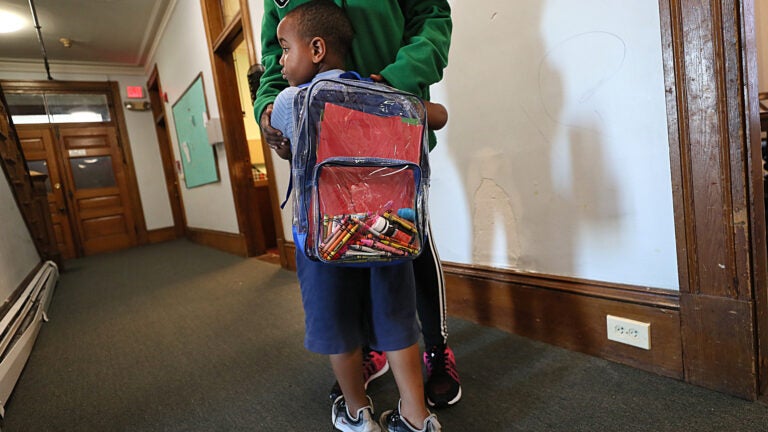
A report released this week shows how many people are in emergency shelters by community, while giving updated information about Massachusetts’ shelter waitlist and efforts to increase the number of migrants authorized to work in the state.
The report, sent from the Healey administration to lawmakers, sheds new light on the current situation within the state’s overburdened emergency shelter system. The system has reached capacity amid a surge of migrants and an ongoing housing crisis. The Healey administration is now required to issue biweekly reports on emergency shelter data to the House and Senate.
Last fall, Healey announced that the emergency shelter system was on the verge of filling up and that officials would have to implement a waitlist. The system is only safely able to accommodate 7,500 families, officials said. This limit was reached on Nov. 10, according to the report.
As of Wednesday, there were 410 families on the waitlist, according to a spokesperson with the state’s Executive Office of Housing and Livable Communities.
From Nov. 10 through Dec. 28, 1,393 families have applied for shelter. There were 391 families on the waitlist as of that date, meaning that they were determined to be eligible and were waiting for placement at a shelter or a hotel.
The waitlist is growing. There had been only 242 families on the list as of Dec. 11, the EOHLC said at the time.
Waitlisted families are offered help in finding services and transportation, according to the report. They are also given the opportunity to stay at state-run overflow sites in Cambridge, Quincy, and Revere. The United Way partners with the state to fund extra overflow sites administered by community organizations like Catholic Charities Boston.
As of Wednesday, 7,511 families were enrolled in the shelter system, according to the most recent state data. There were 14 families added in a 24-hour span. A total of 3,645 families were staying in traditional shelters, while 3,854 were staying in hotels and motels.
To help free up space in the shelter system, Massachusetts officials have been trying to increase the number of migrants who are authorized to work in the state. Healey has said that many of the shelter beds are occupied by migrants who have the skills and desire to work, but who have not been able to get the proper permits yet.
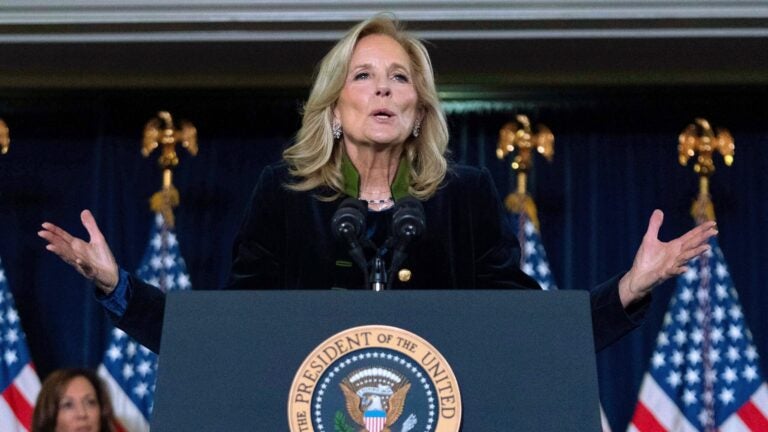
“Work authorizations are critical for helping families support themselves and move into more stable housing, as well as addressing our workforce needs. We are proud that our efforts to assist new arrivals with getting their work authorizations are showing success, particularly the clinic we hosted with the Biden-Harris Administration. Our administration will continue our legal services programs as well as hiring initiatives to connect new arrivals with jobs,” Healey said in a statement to Boston.com Thursday.
Employers are eager to hire, Healey has said, and getting regular paychecks is a crucial step towards self-sufficiency outside the shelter system.
The federal government estimates that it can take more than three months for immigration officials to process temporary employment authorizations to most applicants, The Boston Globe reported. For many, it takes longer.
Healey has repeatedly called on the Biden administration to help expedite work authorizations, and Massachusetts Attorney General Andrea Campbell joined a group of other state attorneys general in sending a letter to the Department of Homeland Security last month calling for more action.
The efforts of Massachusetts officials to increase work authorizations appear to be successful so far. The state partnered with the federal government in November to host two weeks of work authorization clinics for migrants in the shelter system. Through these clinics, 2,910 individuals received help with their authorizations, according to the report.
There were 2,713 people with work authorizations in the system who entered as migrants, refugees, or asylum seekers as of Dec. 28, up from 813 on Dec. 12, an EOHLC spokesperson confirmed.
The dramatic increase in authorizations points to the success not only of the clinics, but of legal assistance and job training being coordinated by the state.
The new biweekly reports on the situation are requirements tied to the supplemental budget Healey signed last year, wherein she asked for $250 million to fund the shelter system. The reports must contain data on the number of families in shelters, hotels, and motels by city or town.
Boston had by far the most families in shelter, with 1,309. Worcester had the second highest number of families in shelter, with 302.
Lynn and Springfield both had more than 280 families in shelter. Brockton, Dedham, Framingham, Holyoke, Lowell, Marlborough, Peabody, Salem, Stoughton, Taunton, and Woburn each had more than 150 families in shelter.
Stay up to date on all the latest news from Boston.com


To comment, please create a screen name in your profile
To comment, please verify your email address
Conversation
This discussion has ended. Please join elsewhere on Boston.com