
Newsletter Signup
Stay up to date on all the latest news from Boston.com
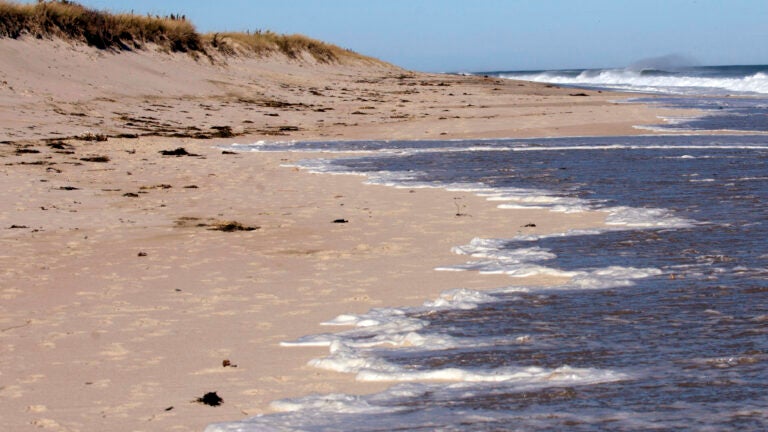
The Metropolitan Beaches Commission released its report titled “Breaking Barriers: A report by the Metropolitan Beaches Commission” Friday, which included feedback and suggestions for the Department of Conservation and Recreation (DCR).
Information for the report was gathered via four public hearings centered on making Massachusetts beaches more accessible for different groups of people over the course of 18 months, according to the commission.
“We found that our beaches have increasingly drawn residents who represent the rich diversity of our region. However, more progress is needed before we can say they are truly inclusive. For many people of color, there is much work to be done before they will feel embraced, valued, and safe when they spend time at these important public amenities,” commissioners, including Sen. Brendan Crighton of Lynn and Rep. Adrian Madaro of East Boston, wrote.
The report attributed their findings to a couple of issues found in the DCR, including changes in leadership — the department had six different commissioners over the last eight years according to the report — and a lack of monetary investment.
These factors have led to feelings of unwelcomeness at Massachusetts beaches for some of the communities that the commission spoke to.
“For many people of color, perceptions of our public beaches have been shaped both by their personal experiences and those of their friends and families, who reported feeling unwelcome and being uncomfortable at the beach,” read one section of the report.
Recommendations from the commission included bolstering funding for free shuttles to local beaches, improving water safety education resources, providing mats that would allow wheelchairs to navigate the sand more easily, and having all signage displayed in multiple languages.
Last month, former Revere Mayor Brian Arrigo was named DCR commissioner.
“As I finish my third week in this new role, I look forward to working with and learning from the perspectives of our visitors and partners like the Metropolitan Beaches Commission to ensure that our parks and beaches — especially our urban oases — are accessible to those of all abilities, incomes, and language capabilities,” he said in a statement.
Read the full report here.
Stay up to date on all the latest news from Boston.com





To comment, please create a screen name in your profile
To comment, please verify your email address
Conversation
This discussion has ended. Please join elsewhere on Boston.com