
Newsletter Signup
Stay up to date on all the latest news from Boston.com
The sound of a loud boom on Saturday night sent residents in both northeastern Massachusetts and southeastern New Hampshire searching for answers.
According to the Seacoast Current, dozens of people on the Rockingham Alert Facebook page reported hearing the noise around 7:20 p.m., with commenters describing the disturbance across New Hampshire communities including Deerfield, Barrington, Portsmouth, Seabrook, and Manchester.
Durham police chief Rene Kelley told the publication he heard the boom and felt shaking at his home.
“It knocked over some things in our bathroom,” he said. “We thought it might have been a large tree coming down, but didn’t find anything when we went out to check.”
The sound was also heard across the border in Massachusetts, with reports coming in from Lowell, Haverhill, Merrimac, and North Andover, according to the Current.
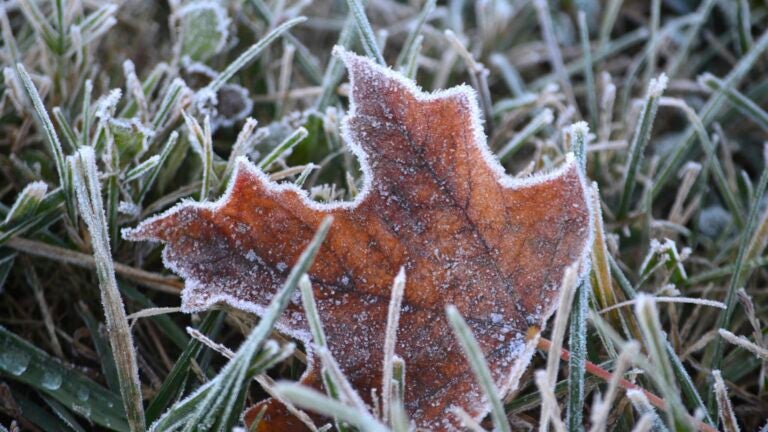
NECN meteorologist Matt Noyes reports the source of the noise and shaking was most likely a frost quake, since no seismic activity was reported over the weekend.
Frost quakes, he wrote Monday, can occur when there is the rapid arrival of cold air, so they’re “not at all uncommon in the Northeast.”
“The setup for a frost quake, also known as a cryoseism, is this: soil is saturated from steady precipitation, sometimes including snowmelt, when rapid cooling of the air takes place as colder air surges in,” Noyes wrote. “In response to the rapid cooling of the air, the ground – usually already just a bit above freezing – cools quickly to below freezing, resulting in the water in the top several inches of the ground to freeze quickly.”
The expansion of the water, caught in the dirt as it freezes, can cause a split in the ground.
“It’s a small split, but one that forms rapidly and sends a booming noise echoing around it,” he wrote.
According to Noyes, since the frost quakes are typically shallow, they don’t do the damage of an earthquake. But they can still cause some shaking in the nearby area, a phenomenon typically associated with the shifting of the earth’s plates.

Stay up to date on all the latest news from Boston.com





To comment, please create a screen name in your profile
To comment, please verify your email address
Conversation
This discussion has ended. Please join elsewhere on Boston.com