
Senior Care association calls for pay, staffing increases amid concerns at nursing homes
“It’s all heartbreaking, and it’s especially heartbreaking for families and colleagues to see this devastation."
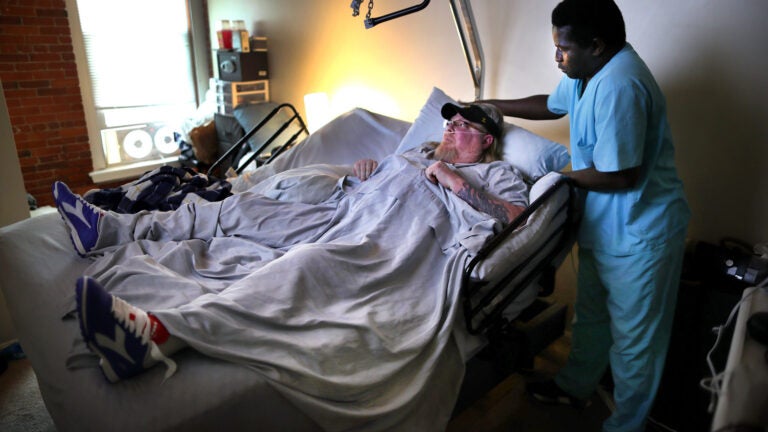
The Massachusetts Senior Care Association is calling on state officials for “hero” pay for nursing home staff, as well as expanding testing capacity, and ensuring workers have necessary personal protective equipment.Association President Tara Gregorio said she’s “never seen anything so desperate and urgent that needs immediate action.”The association represents roughly 400 facilities, including nursing and rehabilitation, residential care, continuing care, and assisted living.Facilities are facing understaffing as many of the frontline workers either are forced to stay home because they have COVID-19, they are quarantined due to exposure to the deadly virus, or they’re afraid of contracting it.In some cases, that has meant one certified nursing assistant, or CNA, per 20 residents.
Related Links
-
COVID-19 WHISTLEBLOWER
‘She is a hero in our community’: Nurse who died of COVID-19 is recognized for speaking out about Littleton facility
-
Coronavirus
U.S. nursing home deaths soar past 3,300 in alarming surge
-
SENIORS AT RISK
Nursing homes are particularly vulnerable to COVID-19. Here’s how Mass. officials are preparing to protect them.
-
Live updates
Live updates: The latest news on the coronavirus outbreak in New England
“We have facilities that are calling frantically, saying ‘Tara, my whole unit has called out. What can I do?’” Gregorio told Boston.com.
The “hero” wage Gregorio calls for is ideally double time for staff, she said. In addition to emergency funding for the pay increase, Gregorio also wants funds to go to hiring 12,000 more workers to help.
The staffing shortage, along with concerned calls from workers, also means workers have to put residents in other units to use available staff most efficiently.
Ninety percent of senior care workers are women, Gregorio said.
“Most earn less than a living wage, and they work in long-term care because they love their patients and residents,” she said. “They are mission-driven individuals.”
The COVID-19 crisis has brought challenges not just with understaffing, but also an emotional toll. Senior care workers form bonds with residents, and grieve when they die.
“It’s all heartbreaking, and it’s especially heartbreaking for families and colleagues to see this devastation,” Gregorio said.
Read Gregorio’s full statement:
The continuing rise in the number of cases among the 38,000 frail elderly and disabled residents under our care is devastating to our residents, families and staff who are courageously battling the most horrific pandemic in our lifetimes. Together with the Commonwealth and hospital partners, we must redouble our efforts to support and protect our nursing home residents and staff in three very simple, actionable ways:
1) Expand routine COVID-19 testing to include both symptomatic and asymptomatic residents and frontline staff;
2) We must immediately protect our caregivers and thereby the residents they care for by ensuring that all frontline staff have the necessary personal protective equipment, including masks, gowns, eye shields and gloves; and
3) We urgently need emergency funding to immediately pay a “hero” wage to our frontline staff and hire an additional 12,000 workers to join us in fighting to protect our residents against this insidious and devastating virus.
The COVID-19 virus is relentless and we are pleading for the tools we need to win this battle.
<hr>


To comment, please create a screen name in your profile
To comment, please verify your email address
Conversation
This discussion has ended. Please join elsewhere on Boston.com