Dorchester native Dennis Lehane says Boston is a racist city. But not the most racist.
"I’ve been in parts of Alabama and Mississippi that are truly terrifying.”
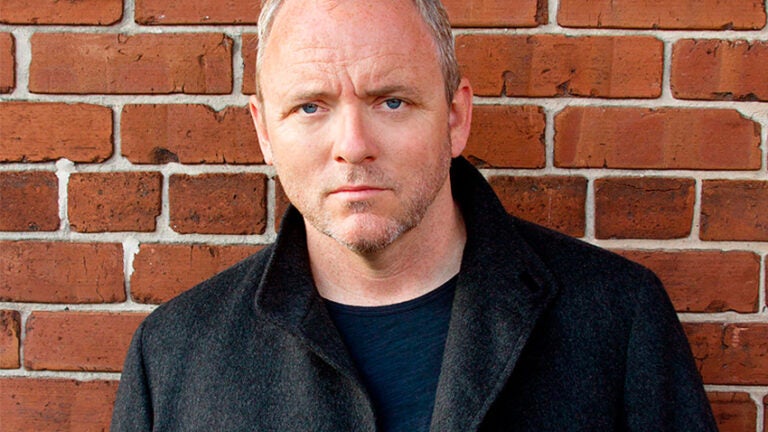
Boston native Dennis Lehane doesn’t think his hometown is the most racist city in America.
Racist, yes. But not the most racist.
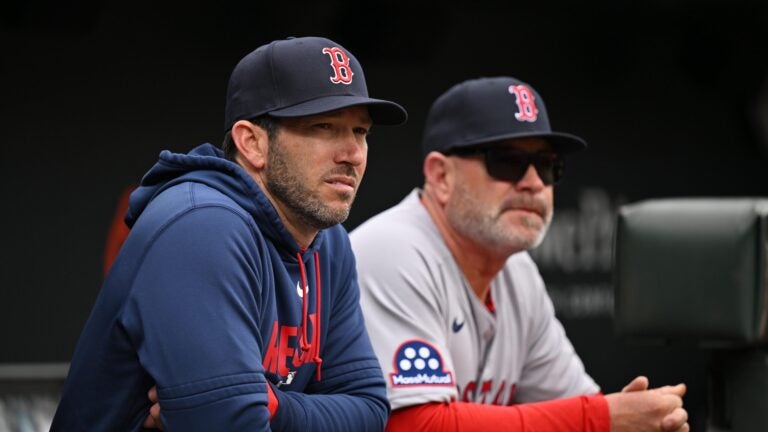
“I’ve lived in some pretty racist places in my life, so I don’t know that I would define Boston as the most racist,” Lehane said in an interview Tuesday on WGBH’s Boston Public Radio, after being asked about the recent incidents at Fenway Park, as well as comedian Michael Che’s assertion that Boston was the “most racist city” he had visited.
The Dorchester-born author — who apologized earlier Monday for using the N-word while recalling his childhood experience with racism in a speech Sunday to Emerson graduates — said Boston “100 percent” has a “troubled racial history” and continues to have problems with racism.
“Is it a racist city? Absolutely,” he said.
“But is it the most racist? I don’t know. I’ve been in parts of Alabama and Mississippi that are truly terrifying,” said Lehane, adding that the worst experience with racism he ever had was with a cab driver in New York City.
“It’s not a Boston problem; it’s an American problem,” he said. “It’s a European problem. It’s a problem, period.”
Lehane, who now lives in California, added that he didn’t think it was possible to qualify such a thing as “the most racist city.”
During his Emerson commencement speech Sunday, Lehane recalled growing up in the midst of Boston’s busing desegregation riots in the 1970s, via Boston magazine:
I was driving with my parents in a car, and we turned a corner into a riot in South Boston on Broadway, at night.
I will never forget this for the rest of my life. We were trapped in the back of a car. We couldn’t move. We could just be buffeted down the street. And they had hung effigies of Arthur Garrity, who was a judge at the time, of Teddy Kennedy, and they were lighting them on fire with torches. And they were screaming, ‘N—s out.’
And that, I can still see the flames going down the back of my father’s car, the reflection of the flames and being trapped in the back of that. So those were the ‘good old days,’ just so you know.
Lehane’s use of the N-word in his remarks drew backlash from some students on social media. In a statement to media outlets, the author swiftly apologized.
“The word is the most offensive word in the English language. To use it in the context of the times in which I was describing was to show exactly how ugly those times were and that particular night was,” Lehane said, according to The Boston Globe. “If, in an attempt to convey that with absolute authenticity, I managed to offend, then I apologize to those who were offended. Hurting people with the use of that word, of all words, was about as far from my intention as one could get, but I take ownership of the result. I should have known better.”