
At Harvard, no simple answer on final clubs
CAMBRIDGE — Upstairs in the great hall of the Fly Club, a mounted buffalo wears a Santa hat. The gleaming eyes of the taxidermied beast stare out into a cavernous room where undergraduate men line the windows with Christmas lights for a party. The hall smells of stale beer.
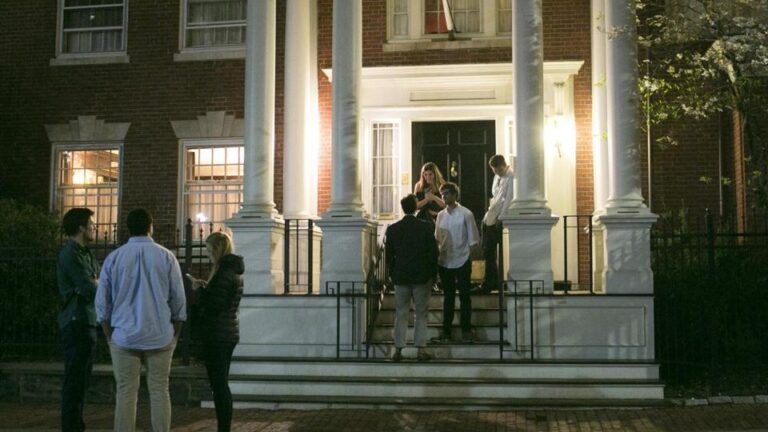
For more than 100 years, only the privileged few have stepped inside the 19th-century mansion, built for this exclusive all-male social club on Holyoke Place in Harvard Square. But this year, a Harvard College crackdown on all eight male final clubs, which are not formally part of the university, has pulled them from the shadows.
The college’s attempt to force the historic clubs to accept women has sparked a backlash, pitting administrators against not only the clubs’ powerful alumni but also a growing number of professors. Many students who would ordinarily criticize the clubs — among them women who belong to all-female clubs — are rising improbably to their defense.
It is shaping up as a very strange moment in the life of a great university. The controversy has raised hard questions about how much power colleges should exert over students’ off-campus lives and whether administrators, in trying to promote inclusivity, have gone too far.
“You just don’t punish people for joining a club. That’s un-American,” said Harry Lewis, a computer science professor who has led the charge against the administration’s new sanctions on the clubs. The rule would restrict on-campus privileges — like sports team captaincies and scholarship recommendations — for members of the clubs that don’t comply, starting in fall 2017.
Read the complete story at BostonGlobe.com.
Don’t have a Globe subscription? Boston.com readers get a 2-week free trial.




To comment, please create a screen name in your profile
To comment, please verify your email address
Conversation
This discussion has ended. Please join elsewhere on Boston.com