
The desperate and the dead: Prisons
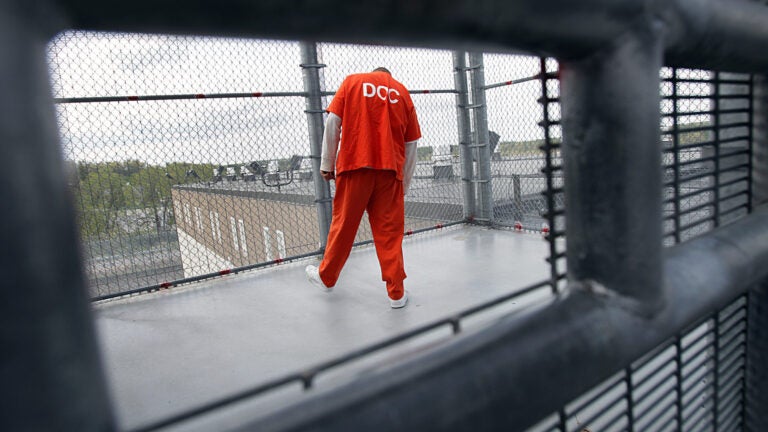
Nick Lynch hesitated at the prison door, pausing on the threshold as he stood between two worlds. Muscled and tattooed, 26 years old, he blinked at the brightness of the sun, the springtime colors.
One more step, then freedom, for the first time in eight years. He had dreamed about this moment; he had feared it, too.
Ahead of him on that April morning in 2012 lay the most treacherous passage an inmate can face: the transition back to normal life. More than 40 percent of prisoners who attempt it fail, ending up back in jail or prison. For those who carry mental illness with them, like Nick Lynch, failure looms larger and occurs even more often.
In the parking lot at Souza-Baranowski Correctional Center, a maximum-security prison 40 miles northwest of Boston, Nick’s father turned to him and raised a camera. Before him stood the son he’d lost eight years ago, with the prison walls looming fortresslike behind him. Someday years from now, his dad thought, Nick would look back at this day and see how far he’d come.
His father had spent months preparing for his son’s release. A Navy veteran who worked in health care, Kevin Lynch had bought a fixer-upper on Cape Cod to renovate with his son, a project that would help the two of them get reacquainted. He planned to help Nick enroll in college while taking graduate courses himself; they would navigate this new world together.
Read the complete story at BostonGlobe.com.
Don’t have a Globe subscription? Boston.com readers get a 2-week free trial.





To comment, please create a screen name in your profile
To comment, please verify your email address
Conversation
This discussion has ended. Please join elsewhere on Boston.com