
Audit finds propped doors, no ID checks at MBTA’s cash-counting facility
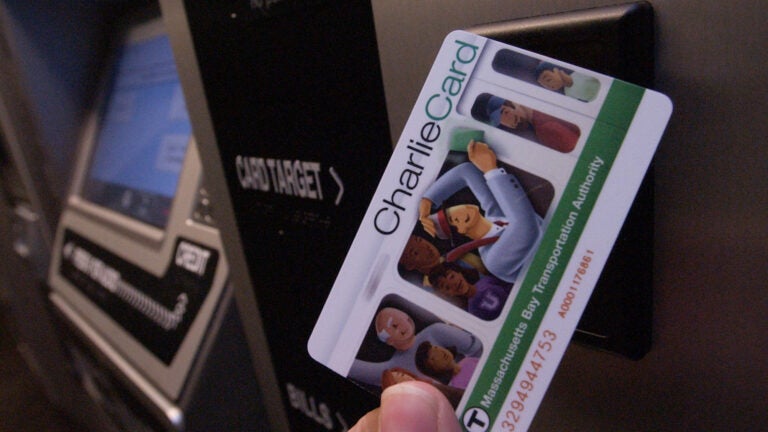
The MBTA facility tasked with counting millions of dollars in fares had serious security failures, including missing keys, broken alarms, and doors propped open, according to a damning audit released by the MBTA on Tuesday.
The audit, conducted by outside consulant groups, looked at the MBTA’s “money room,” which counts nearly $200 million in fares, tolls, and other revenue.
The assessment found “very serious and immediate security threats” at the facility, MBTA General Manager Brian Shortsleeve said in a statement. The MBTA’s money room, which employs about 70 employees, costs $8.6 million annually to operate.
A 2012 state audit found that the MBTA’s automated fare collection system recorded $225.5 million in fare box receipts between 2006 to 2011, but the T’s money room collected $123.8 million. The audit blamed part of that $101 million variance on hardware and software deficiencies.
But the audit released on Tuesday showed a series of human and management errors as well, including:
- A door bearing a sign that read “THIS DOOR IS TO REMAIN SHUT AT ALL TIMES” was propped open by a makeshift doorstop.
- Another door leading to the outside, where a grill and picnic table were located, was not alarmed or access controlled.
- A door to a vault room was improperly duct taped.
- Employee identification cards were not required and were not verified before entering the facility.
- The facility’s keys were not inventoried or tracked, and vehicle and cashbox keys were unaccounted for.
- Generic guest keycards allowed full access to the facility.

These door stops were being improperly used at the MBTA cash-counting facility.
The MBTA has taken immediate action to secure the facility, Shortsleeve said, and four top managers are no longer in their positions. The facility has also added private security, including armed guards.
Last month, Shortsleeve said the T’s Fiscal and Management Control Board was looking into outsourcing the cash-counting jobs to a private company. That push drew protest and criticism from the Carmen’s Union, the labor group that represents about 4,000 of the MBTA’s 6,500 employees.
James O’Brien, President of the Carmen’s Union, said in a statement that recent reports had shown the MBTA’s problems were caused by inefficient management and oversight, not with MBTA workers themselves.
“Transit workers are being unfairly blamed for management’s failures,” he said.
O’Brien added that workers have provisions in their contracts to be disciplined when appropriate, and that T officials were seeking “privatization at any cost.”
“It’s disappointing that MBTA management is attempting to disparage money room workers so they can embolden an effort to privatize the operation,” he said.
Still, Shortsleeve signaled in a statement on Tuesday that the board would continue its push to privatize the cash-counting jobs.
“I will continue to talk with the Fiscal and Management Control Board about whether handling cash is a business the T should even be in,” Shortsleeve said. “Other transit systems and public and private operations across the country have procured the services of cash management professionals.”




To comment, please create a screen name in your profile
To comment, please verify your email address
Conversation
This discussion has ended. Please join elsewhere on Boston.com