
MBTA takes another step toward fare increase
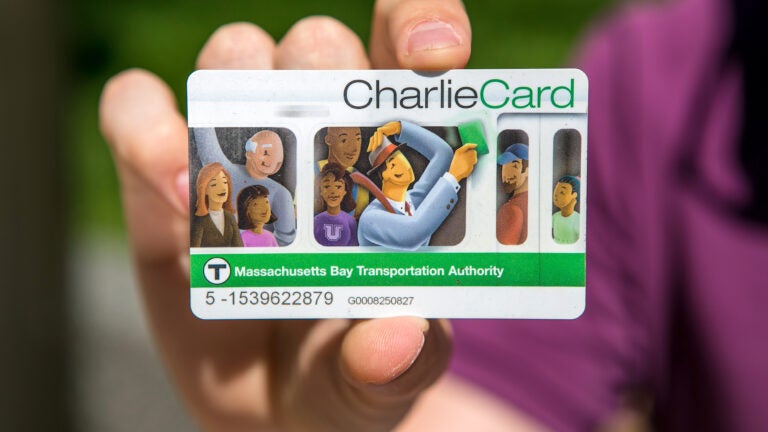
The MBTA has made it no secret that your commute is going to get more expensive next year. The big question is, how high will fares go?
On Monday, the T’s Fiscal and Management Control Board kept a controversial figure—10 percent—in play, when it voted 4-0 to approve a new fare policy.
Nothing’s decided yet. The policy describes how the T should approach fares, and doesn’t put any new prices in place. But it spells out that fares could increase by as much as 10 percent every two years, starting in July.
The thought of a 10 percent hike has been a point of contention throughout the fall, since T officials said they believed they could go that high. At the center of the debate is a law from 2013 that says the T can increase fares every two years, by as much as 5 percent annually.
Some parties—including the T—say that murky language means the T can raise fares up to 10 percent every two years, while others say the T is limited to a 5 percent bump.
Transit advocates say that even if the legislation means fares can go up 10 percent, that doesn’t mean they should, arguing a hike that large would be too much for riders to shoulder. At Monday’s meeting, representatives of the advocacy group Transportation for Massachusetts submitted about 2,500 signatures calling on officials to limit hikes to 5 percent.
Still, other activists have said that given its poor performance in the last year, the T shouldn’t ask for a fare hike at all.
The question has also been a point of debate at the State House. Rep. William Straus, who co-chairs the joint committee on transportation, has said he thinks the law allows for an increase of as much as 10 percent. Senate President Stan Rosenberg, on the other hand, has said an increase of more than 5 percent would require legislative approval. (Rosenberg’s office did not immediately respond to a request for comment.)
The new fare policy makes it clear that the T is sticking with its interpretation. “The MBTA will consider fare increases every 2 years at a systemwide average of up to 10 percent,’’ it says.
Facing a $242 million budget gap next fiscal year, MBTA officials have signaled for months they plan to increase fares. Already, the projected deficit assumes a 5 percent fare increase—meaning closing the gap at all with fares would require going higher than that.
The T last raised fares by 5 percent in 2014. In 2012, prior to the cap in the 2013 law, fares were jacked by an average of 23 percent.
Gov. Charlie Baker earlier this year pushed to abolish the cap on fare increases as part of the MBTA reform effort that ultimately created the control board. Lawmakers did not acquiesce.
The same 2013 legislation that set the fare increase cap also said the T should increase the rate by which fares cover operating expenses by 10 percent every five years. Currently, the T’s “farebox recovery ratio’’ is about 40 percent, with most of the rest of its funding coming from the state.
“As we work through the options, it’s going to be a combination of modest but regular fare increases, controlling operating costs, and growing ridership—hopefully through better performance,’’ Secretary of Transportation Stephanie Pollack said after the meeting.
Control board chairman Joseph Aiello said ensuring all customers are paying their fares is a fourth variable in that formula. Pollack agreed, but said the T does not currently have a good handle on how much it is losing in uncollected fares.
T officials will next present the control board with options for fare hikes at a January 4 meeting. Eventually, the fare proposals will open to public comment before a decision is made.
“The question of what’s a reasonable thing to ask the riders to do, is what the control board is going to have to decide,’’ Pollack said.





To comment, please create a screen name in your profile
To comment, please verify your email address
Conversation
This discussion has ended. Please join elsewhere on Boston.com