
Late-night MBTA service looks like a goner
None of the five members of the T’s board advocated for keeping the weekend bus and subway service.
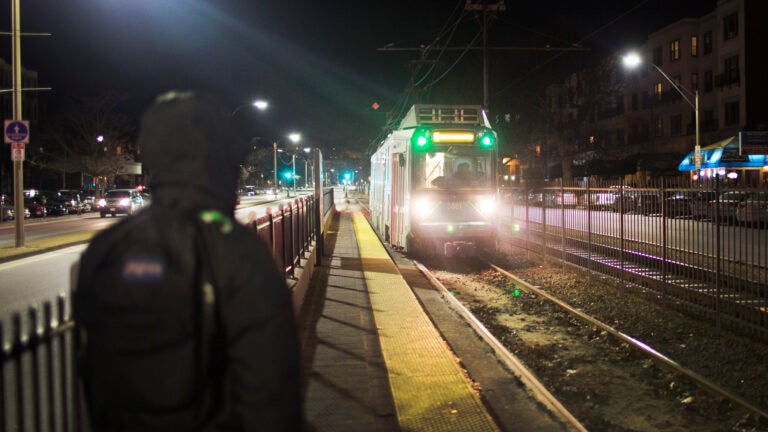
MBTA officials took another step Monday toward ending the weekend late-night service, an item that has been on the agency’s chopping block as it seeks to cut costs but which some riders say they rely on.
None of the five members of the MBTA’s Fiscal and Management Control Board said they thought the transit agency should keep the service. Late-night service extends the hours of the subway and some bus lines on Friday and Saturday nights.
The MBTA says it can save between $10 million and $14.8 million by cutting it next year. The T has been exploring various ways to close a $242 million budget gap next year, and the board had previously indicated late-night service was a potential target.
“If we were in a different financial situation, this would be a very different conversation,’’ board member Monica Tibbits-Nutt said. “I don’t like the idea of having to cut this service. … But I think that with the financial situation we’re in, we need to focus on the core services we need to provide for the most number of people.’’
Late-night service began in spring 2014. The T had hoped private companies would help fund it, but did not receive much backing.
“We gave it a shot. I think we expected to get broader support for this, and we haven’t,’’ said board member Steve Poftak.
Subway service runs until 2 a.m. during late-night hours, as opposed to its usual 12:30 a.m. cutoff. Past surveys have suggested most late-night passengers use the service for entertainment or social reasons, followed by work-related purposes. The service provides about 13,000 trips per weekend night, according to the MBTA.
The T cannot cancel the service without first holding a public hearing, Secretary of Transportation Stephanie Pollack said. But officials seemed ready to pull the plug Monday, and Pollack said a vote could come in late January or early February.
MBTA Chief Administrator Brian Shortsleeve said private transit companies like Uber, Lyft, and Bridj are interested in offering a substitute for late-night service in partnership with the T. The board said the T should continue exploring those options.
The board also weighed potential cuts to its door-to-door service for disabled passengers, The Ride. The Ride currently offers service beyond the geographic areas required by federal law, and the T has been considering ending that additional service to save money.
Monday’s meeting drew an impassioned crowd of disabled riders, senior citizens, and activists who urged the control board not to adopt the idea.
“Why would you do the wrong thing when the MBTA has been doing the right thing for almost three decades?’’ asked Olivia Richard, of Mass ADAPT, a group that advocates for people with disabilities.
“I am prepared to put my freedom on the line to stop this reckless policy,’’ said several members of the Massachusetts Senior Action Council, which protested 2012 fare hikes on The Ride that were eventually rolled back.
The T’s board did not make a decision about the service Monday. Board member Lisa Calise said it was “premature’’ to do so, and that she would prefer to see the MBTA focus on getting more Ride users onto buses and subway as a way to lower overall Ride costs before considering the service cut.
“Let’s get the efficiencies first before we do a service reduction,’’ she said to applause from advocates.
Other members wanted more information about the service before making a decision.
The board also discussed, but did not vote on, whether to accept alcohol advertisements. Two members—Brian Lang and chairman Joseph Aiello—said they were against accepting the ads.
“Given the vast number of children—we continue to service more and more children to Boston public schools—I think it would be an inappropriate change,’’ Aiello said.
The T believes alcohol ads—banned by the agency in 2012—could boost revenue by up to $2 million.
The control board, which was created in the summer, was expected to file on Tuesday its first annual report to the legislature, outlining its approach to the T’s financial problems. But the board requested a one-week extension Monday so it could include updates on two big recent developments: efforts to address Green Line extension’s budget issues and last week’s runaway Red Line train.





To comment, please create a screen name in your profile
To comment, please verify your email address
Conversation
This discussion has ended. Please join elsewhere on Boston.com