
Synthetic heroin is just like heroin, except when it comes to the penalties
Lawmakers want to increase the penalties for having large quantities of fentanyl, a powerful synthetic opiate
Caught by police with a tightly wrapped package of powerful drugs, a dealer can face very different consequences, depending on what’s inside.
If it’s heroin he’s convicted of carrying, he could face up to 30 years in state prison.
But if it’s fentanyl, a synthetic opioid that can be 50 times more powerful than its cousin heroin, the dealer is in luck. In Massachusetts, there’s no trafficking statute for synthetic drugs like fentanyl. He’s only looking at up to 10 years in prison for the lower level crime of possession with intent to distribute.
Attorney General Maura Healey joined legislators and law enforcement officials today as they pushed to fix that disparity by creating a synthetic opioid trafficking statute. Those caught with more than 10 grams of a drug like fentanyl would face up to 20 years in prison, double the current penalty.
“By criminalizing the trafficking of fentanyl, we will give police and law enforcement the tools they need to get this deadly drug off the streets and out of the hands of those struggling with addiction,’’ Healey said.
Clusters of overdoses have sprung up across the continent: six in Milwaukee, 16 in Vancouver, Canada, six in Pittsburgh. In March, the Drug Enforcement Administration issued a nationwide alert after a spike in fentanyl overdoses and seizures.
So far this year, the Massachusetts State Police lab has positively matched fentanyl in 473 tests. That’s up from 170 in all of last year and just five samples in 2013.
It’s impossible to tell if heroin has been laced with fentanyl. That is, until overdose victims start piling up. It is so dangerous, fentanyl can be absorbed into the body just by touching or accidentally inhaling it.
“We are committed to disrupting the trafficking and distribution systems that gets heroin and gets fentanyl into the hands of people who do not know what they’re taking,’’ said bill sponsor Rep. John V. Fernandes, chair of the joint committee on the judiciary.
Fernandes echoed what many law enforcement leaders are saying today — that treatment for the user is a priority, while also “making a distinction between those who need our help and those who treat this as a business.’’
More than 1,200 people died of an opiate overdose in Massachusetts last year. With 312 overdoses in the first three months of this year, the state is on track to have just as deadly of a 2015.
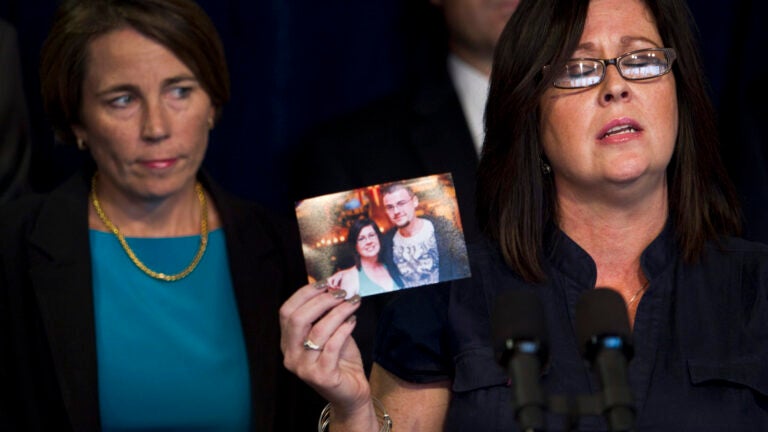
One of those deaths this winter was Paul Connolly. He died in February at age 21 after an eight year battle with heroin.
But it wasn’t heroin that killed him. And his mom Cathy Fennelly has the death certificate to prove it. Connolly died on Feb. 18 from a fentanyl overdose. Heroin was the secondary drug.
“It’s an instant death,’’ Fennelly said. “And they don’t even know. They’re just trying to get the next fix to numb the pain.’’
State-by-state guide to marijuana legislation
[bdc-gallery id=”108563″]





To comment, please create a screen name in your profile
To comment, please verify your email address
Conversation
This discussion has ended. Please join elsewhere on Boston.com