How hatchet-wielding women ended alcohol sales in Rockport for 163 years
"Tramp, tramp, tramp, the girls are marching. Hands up, comrades! Here they come!" read part of a Boston Daily Globe headline for the 70th anniversary of the event.
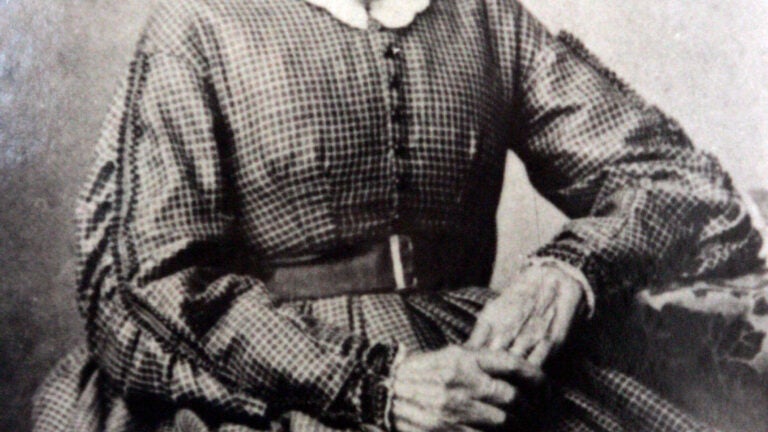
Nearly 163 years ago, the “hatchet gang” — roughly 200 women, and some men, wielding hatchets and other instruments — mobbed downtown Rockport, smashing any storages of alcohol they could find.
After these raids, led by Hannah Jumper, a 75-year-old “tall, thin, red haired spinster,” as described in a document from the Sandy Bay Historical Society in Rockport, the seaside town went dry and remained that way.
That is, until now.
Rockport’s lone grocery store has been granted a liquor license and will soon sell beer and wine, putting an end to Jumper’s hatchet-swinging legacy. Restaurants in town have been able to sell alcoholic beverages since 2006.
It was the morning of July 8, 1856, that Jumper and the hatchet gang stormed Dock Square in downtown Rockport. Rockport was mostly a fishing town then, and the women were frustrated by the male members of their families spending money on booze.
The women had planned their raids in advance, according to Mass Moments, and marked their targets with the letter “X.” At 9 o’clock that fateful summer morning, hatchet gang leaders unfurled a banner that reportedly had a black hatchet and red tassels. The women had hatchets under their shawls.
Mrs. Calvin Pool, a 97-year-old Rockport resident, described the scene to The Boston Daily Globe for an article that ran on July 11, 1926, days after the 70th anniversary of the event.

The headline from the 70th anniversary story about Hannah Jumper and the “hatchet gang.”
“[Jumper] was a very energetic woman, had strong convictions, and a grim determination to carry through anything she started,” Pool told the Globe. “Naturally, when we saw that Hannah was sponsoring this expedition we knew it was bound for something quite different than a pink tea.”
Others began following the group, Pool included. She noted that they stopped at various homes and shops the women suspected of storing or selling alcohol. When the women went inside, sometimes “by force, if necessary,” they smashed any barrels or containers with alcohol.
“Aromatic odors were wafted skyward,” Pool said. “Shouts of triumph rose from the women as success crowned their efforts.”

A display case shows a hatchet used in the July 8, 1956, raids.
However, not everyone was happy about the wasted booze. A man whose alcohol was taken threatened to hire 20 lawyers from Salem “to fight you for this,” Pool recalled.
“Another citizen, lamenting the fact that his choice liquor was being dumped into the street, lay down and lapped some of it as it flowed along the gutter,” Pool said. “Whereupon he became intoxicated and added more confusion to the already highly exciting scene.”
When they were finished, the group met up in the town square, praised each other, and then went home. Seven of the hatchet gang’s 13 raids were successful, the Globe reported. The group caused about $700 in damage and roughly 50 barrels of alcohol were broken, according to the Sandy Bay Historical Society.
Some did try to go after the women for their destroyed liquor, but the courts ended up siding with the group.