
Extra News Alerts
Get breaking updates as they happen.
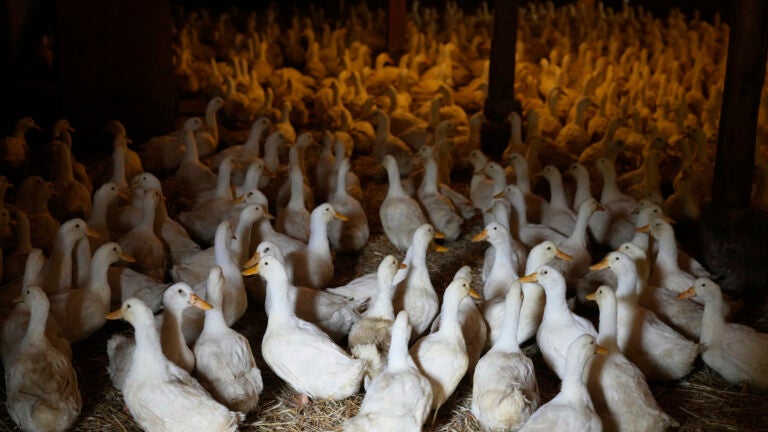
Bird flu is back. After a quiet summer, the virus has hit dozens of poultry flocks, resulting in the deaths of nearly 7 million farmed birds in the United States since the beginning of September. Among them: about 1.3 million turkeys, putting pressure on the nation’s turkey supply in the run-up to Thanksgiving.
Reports of infected wild birds have also surged this fall, and three states — Idaho, Nebraska and Texas — have identified outbreaks in dairy cows.
The virus often flares up in the fall as wild birds begin migrating south; this year, the uptick is occurring during a government shutdown, as federal agencies that are typically involved in the response are working with skeletal staff.
The Centers for Disease Control and Prevention, which tracks human cases, and the Department of Agriculture, which monitors animal outbreaks, have both suspended routine communication with states, leaving many officials without up-to-date guidance on how to detect and contain the disease, or a clear national picture of the surge.
The Agriculture Department did not immediately respond to a request for comment. Emily Hilliard, a spokesperson for the health department, said the CDC was maintaining its emergency operations center and its ability to detect and respond to urgent public health threats.
But immigration raids are scaring away workers at dairy and poultry farms who might otherwise seek help for their symptoms. And the fall flu season may further complicate efforts to distinguish cases of bird flu, some experts said.
The new wave of detections makes clear that the past several months, during which the virus all but vanished from the nation’s poultry farms and egg prices fell from record highs, were a temporary respite. This fall’s surge began earlier than usual, and experts are bracing themselves for an acceleration in the months ahead.
The virus has “settled into this seasonal pattern,” said Richard Webby, an influenza expert at St. Jude Children’s Research Hospital. “This is going to continue to be the new norm.”
The resurgence of the virus also means that as the holidays approach, Americans could see higher prices for both eggs and turkeys.
Bernt Nelson, an economist at the American Farm Bureau Federation, said that wholesale turkey prices are already 40% higher than last year.
This article originally appeared in The New York Times.
Get breaking updates as they happen.





To comment, please create a screen name in your profile
To comment, please verify your email address
Conversation
This discussion has ended. Please join elsewhere on Boston.com