
Sign up for the Today newsletter
Get everything you need to know to start your day, delivered right to your inbox every morning.
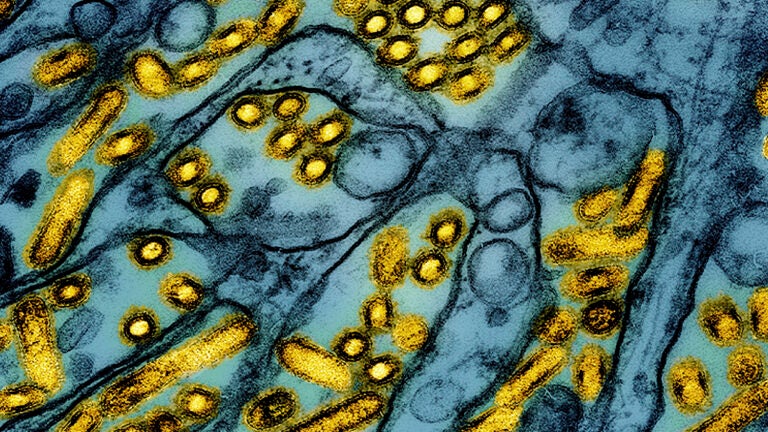
A small backyard flock of birds in Vermont tested positive for bird flu, a different strain than the one impacting dairy cows across the country, state health said last week.
Highly pathogenic avian influenza, or HPAI or H5N1 bird flu, was detected in a non-commercial, non-poultry backyard flock in Franklin County the week before Christmas, the Vermont Agency of Agriculture, Food and Markets announced.
HPAI is considered low risk to humans, the agency said, and there have been no human cases in New England during the current outbreak. The agency also noted that influenza in poultry is not a food safety risk.
The owner of the flock reported their first dead bird on Dec. 18, before more birds followed, the agency said. The flock was quarantined and killed on Saturday to prevent the spread of the disease, and VAAFM said they have not received any additional reports of the illness.
The flock included quail, guinea fowl, ducks, and chickens, Vermont Public reported.
The agency said this is the fourth instance of HPAI in a domestic flock in the state since 2022.
“This localized outbreak reinforces the importance of poultry owners, farmers and hunters to report sick and dead birds. Despite the low risk to the public, the virus remains deadly to many species of birds,” VAAFM said in a press release.
The agency also released tips for those who hunt wild birds in Vermont or maintain a bird feeder for songbirds, which are generally at a low risk for contracting HPAI.
All Vermonters should avoid touching birds, especially ones who may be sick or are dead, the agency said. When drinking milk, it should be pasteurized due to the H5N1 virus which can live in raw milk for at least five weeks under refrigeration.
The CDC confirmed the first severe case of H5N1 bird flu While bird flu doesn’t typically spread from person to person, NBC News reported that experts find that the virus could mutate to make it more transmissible.
Any Vermonters that know or see a dead or sick bird should alert the USDA or Vermont authorities at 802-828-2421 or the USDA at 1-866-536-7593.

Get everything you need to know to start your day, delivered right to your inbox every morning.





To comment, please create a screen name in your profile
To comment, please verify your email address
Conversation
This discussion has ended. Please join elsewhere on Boston.com