
Newsletter Signup
Stay up to date on all the latest news from Boston.com
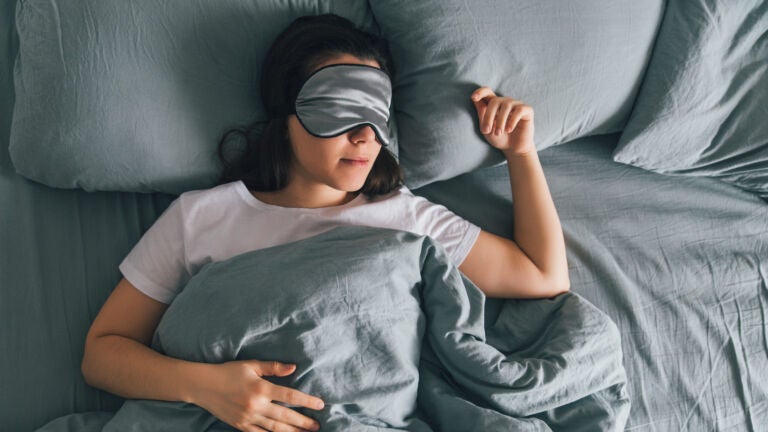
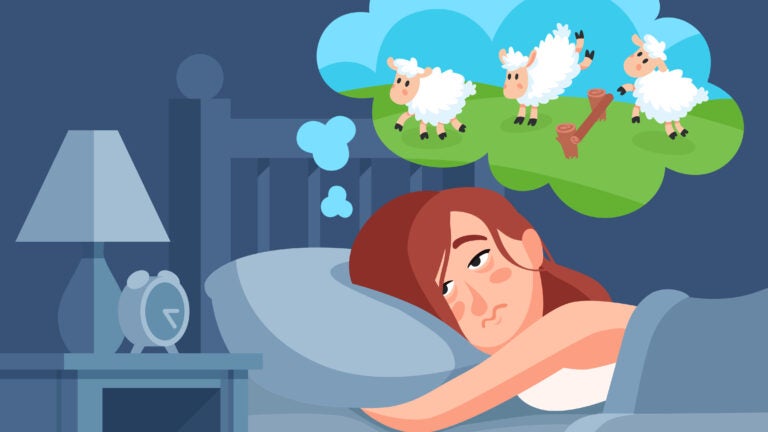
Doctors are warning people looking for sleep advice to stay away from YouTube.
A new study conducted by researchers at Brigham and Women’s Hospital found that sleep advice people get from YouTube videos is overwhelmingly biased and misleading. Researches found that as people struggling with shut-eye turn to the social media platform for sleep advice, they often watch videos created by bloggers rather than health professionals, and more than 90% of these videos contained some level of misinformation.
“It really is important to be careful about where you get your health information from,” Dr. Rebecca Robbins, an instructor in medicine at Harvard Medicine School and “sleep scientist” and Brigham and Women’s Hospital told Boston.com. “We will note that some of the claims, while not particularly life-threatening per se…were really provocative because they [were] attention-grabbing.”
Researchers sorted through the top 21 YouTube videos relating to sleep and insomnia advice, and found 42.9% of the most popular videos were created by bloggers — people without medical expertise — compared to videos created by medical professionals and health coaches, which made up 33.3% and 23.8% of the videos respectively. Videos created by bloggers received an average of 8.2 million views, while those created by medical professionals only received 0.3 million.
The study also found that 90.5% of the videos created by bloggers contained some level of misinformation, while expert-led videos had none. Non-medical experts often used quick and engaging editing as well as clickbait, enticing viewers with video titles like “How to fall asleep in two minutes” or “How to get by on four hours of sleep.” These videos recommended that people try sleeping with their socks on or blink rapidly as they try to fall asleep — things that Robbins says have little proven validity.
“One of the things that we observed in our study is the videos that were developed by bloggers were much more captivating,” Robbins said. “They gave us things like very small tidbits of information that were punchy and [would cut] from one topic to the next, so that people don’t get bored. Whereas the professional videos had a longer format, they were more protracted in their explanation. And of course, it’s challenging to clearly communicate science with evidence-based recommendations in concise soundbites.”
Additionally, 66.7% of the blogger-made videos contained commercial bias or promotions, advertising supplements and juices to expedite the falling-asleep process.
“There was misinformation in the vast majority of videos that were not developed by health professionals or sleep experts,” Robbins said. “They were developed by individuals like bloggers and included basically advertisements for products.”
While the study didn’t look into other social media sites, researchers noted that they would like to examine sleep information on other social media platforms such as TikTok and Instagram, as 60% of U.S. adults report turning to the internet for health advice.
Robbins hopes that going forward, sleep experts can partner with bloggers and social media sites to better disseminate healthy sleeping habits. And she emphasized that people should remember there are no shortcuts to a good night’s sleep.
Stay up to date on all the latest news from Boston.com





To comment, please create a screen name in your profile
To comment, please verify your email address
Conversation
This discussion has ended. Please join elsewhere on Boston.com