
Newsletter Signup
Stay up to date on all the latest news from Boston.com
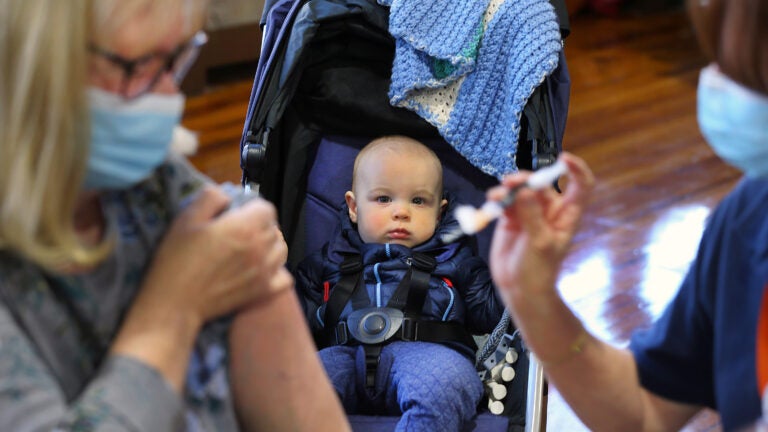
Boston health officials are urging flu shots and indoor masking amid an “early and rapid” rise in flu cases citywide.
The city has seen 1,784 influenza cases since Oct. 1, with more than 700 cases reported in the last week alone, the Boston Public Health Commission said in a press release. The commission also noted a rapid increase in flu-related pediatric hospitalizations in the past week.
“With flu spreading throughout Boston at such a high rate, there’s an urgent need for more residents to get vaccinated to protect themselves and help avoid an even greater influx of cases and hospitalizations during and after the holidays,” Dr. Bisola Ojikutu, the city’s public health commissioner, said in a statement.
Statewide, Massachusetts saw “very high” flu activity last week — more than during the same timespan in six prior flu seasons, according to a Department of Public Health dashboard. The Centers for Disease Control and Prevention estimates there have been at least 8.7 million illnesses, 78,000 hospitalizations, and 4,500 deaths from the flu this season, including 14 pediatric flu deaths.
Flu season generally runs from October to May, usually peaking between December and February, according to BPHC, which noted that a high level of flu cases is occurring much earlier in the season than usual. The trend comes as hospitals nationwide experience a surge of pediatric cases of respiratory syncytial virus, or RSV, coupled with the ongoing COVID-19 pandemic.
According to BPHC, 59% of reported flu cases were among children and adolescents younger than 18 years old, with Black and Latino residents also seeing higher rates. Dorchester, Roxbury, Mattapan, Hyde Park, Jamaica Plain, and the South End are the neighborhoods with the highest case rates, the commission said.
“I urge everyone to be safe this holiday season,” Ojikutu said. “Stay home if you’re sick and call your doctor to ask about treatments for flu and COVID-19, in addition to staying up to date on vaccinations, wear a mask indoors to reduce your risk of illness.”
Flu symptoms can include fever, cough, sore throat, runny or stuffy nose, body aches, headache, chills, and fatigue, according to BPHC.
Those at higher risk of serious complications — including older adults, young children, pregnant people, and people with certain medical conditions — could benefit from prescription antiviral drugs that help shorten the length of illness and prevent severe disease, according to the commission.
When it comes to managing flu, it’s also important to get rest and drink enough water and other clear liquids, BPHC said.
Looking for a flu shot? The commission has several walk-in sites where residents can get free flu vaccines, as well as COVID-19 testing, vaccines, and boosters — no insurance or ID needed.
For more information about flu or support getting a health care provider, Boston residents can call the Mayor’s Health Line at 617-534-5050.

Stay up to date on all the latest news from Boston.com




To comment, please create a screen name in your profile
To comment, please verify your email address
Conversation
This discussion has ended. Please join elsewhere on Boston.com