
After hard frost, the risk of EEE is over – for now – in Massachusetts
As of Wednesday, all of Massachusetts had experienced a hard frost.
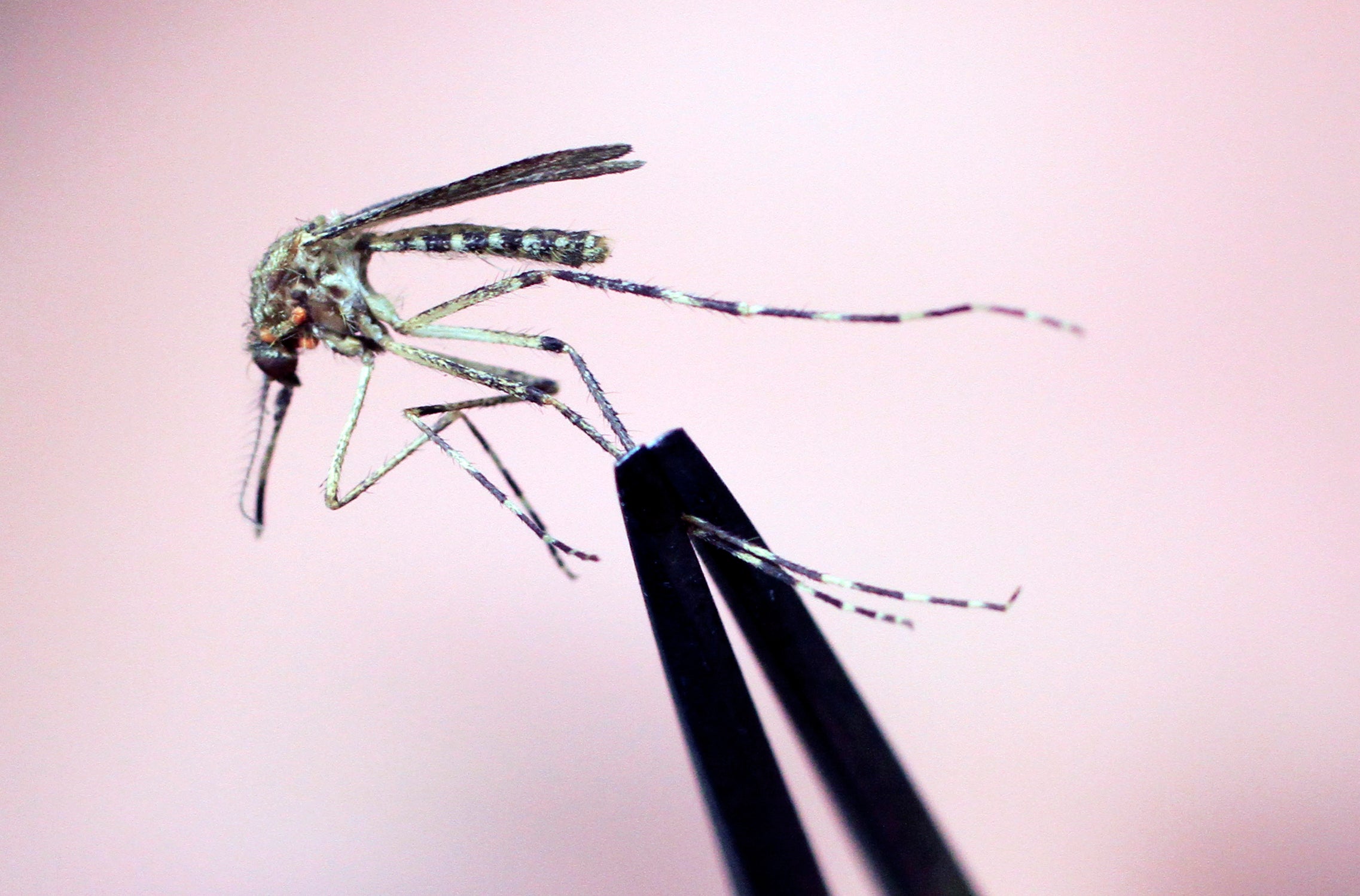
All of Massachusetts has now experienced a hard frost this season, which means the threat of mosquito-borne viruses is officially over for the year, according to the state Department of Public Health.
Related Links
“When temperatures between 27-29 degrees Fahrenheit have occurred over wide geographic areas, risk from mosquito-borne disease is considered to have ended inside that area,” the department says on its website.
A provided by NOAA, the Northeast Regional Climate Center at Cornell University shows on the website that eastern Massachusetts recorded temperatures as low as 15 to 19 degrees as of Wednesday.
Further west, colder temperatures have been logged, some as low as five degrees near the New York and Vermont borders, the map shows.
While determining de-escalating risk can be difficult, the hard frost is considered the end of the first of what’s expected to be a two- to possibly three-year-long outbreak of the potentially fatal, mosquito-borne Eastern Equine Encephalitis virus, according to officials.
Twelve people across the Bay State were diagnosed with the rare infection, along with eight horses and one goat. Three people have died from EEE in Massachusetts since August.
EEE, which carries symptoms of coma, fever, and brain swelling, kills approximately a third of the people who contract it.
Three human cases of West Nile Virus have also been recorded in the commonwealth since Oct. 10, according to the DPH.


To comment, please create a screen name in your profile
To comment, please verify your email address
Conversation
This discussion has ended. Please join elsewhere on Boston.com