
Harvard study finds hundreds of airline pilots may be clinically depressed
Some of them reported having suicidal thoughts.
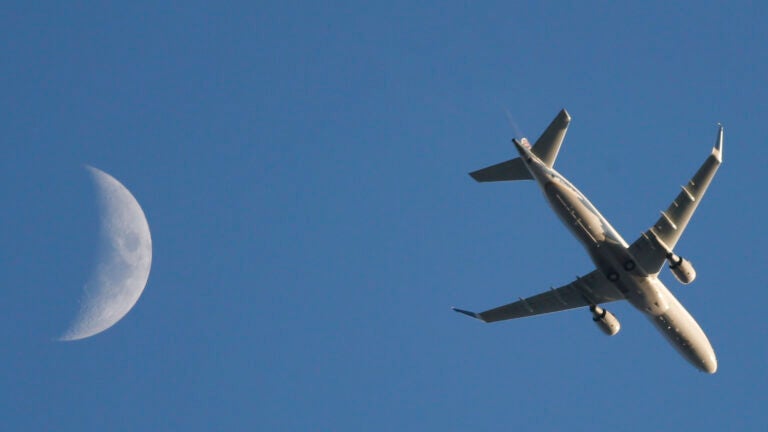
A new study conducted by Harvard researchers shows hundreds of airplane pilots may be clinically depressed, and some of them have suicidal thoughts.The study, conducted by researchers at the Harvard T.H. Chan School of Public Health, was published Wednesday in Environmental Health. It found that about 200 of the approximately 1,800 pilots who completed the anonymous online survey in 2015 met the criteria for likely depression. Seventy-five of them reported having thoughts of being better off dead or self-harm within two weeks of taking the survey. It can be standard procedure for airline pilots to be “grounded” if they report experiencing depression, depending on whether or not they’re receiving treatment, according to the study’s lead author, Alex Wu.“That is a strong disincentive [to report] if that directly influences their career,” he said. Other barriers to seeking mental health treatment laid out in the study include working long, continuous hours on long flights, which makes it difficult for pilots to schedule treatment. Researchers say airline pilots may encounter a similar stigma experienced by first responders and military personnel surrounding seeking treatment for mental health issues:
In addition, researchers attribute stigma among workers in high stress public safety protection occupations, which we argue includes piloting commercial aircraft, to the emphasis on being resilient and independent; thus, admitting having a mental health problem is extremely difficult.
Wu hopes the study will raise awareness about mental health in the airline industry and help safety organizations recognize the importance of improving preventative treatment. Next, Wu and his colleagues plan to examine whether stressors specific to being a pilot — such as disruption of sleep patterns and traveling into various time zones — may be risk factors for depression. He insisted the results shouldn’t prevent people from choosing to travel by air. “We’re not here to discourage flying, because it is, by far, the safest form of public transportation,” he said.





To comment, please create a screen name in your profile
To comment, please verify your email address
Conversation
This discussion has ended. Please join elsewhere on Boston.com