
Harvard study says eating good fats can reduce your risk of death by 27 percent
A study from Harvard T.H. School of Public Health, which was published Tuesday, finds that eating too much saturated or trans fat can increase your risk of dying, but eating unsaturated fats can actually help you live longer.
More than 126,000 men and women (all with no signs of cancer, type 1 or 2 diabetes, or cardiovascular disease) had their eating habits analyzed by researchers for over 32 years, starting in 1980, according to a statement from the school.
Researchers checked in with each participant every two to four years, having them answer a detailed questionnaire to evaluate the types of fat in their diets and how much of those fats they were eating daily. During the follow-up period, 33,304 deaths were documented.
The study found certain types of fats are more likely linked to different causes of deaths, like respiratory or neurological diseases, than others. Trans fats had the most significant adverse impact on health. The study found that consuming high amounts of saturated fats also linked with greater mortality risk.
However, when people replaced 5 percent of their caloric intake from “bad” fats with polyunsaturated fats, they reduced their “risk of death” by 27 percent, according to the study. Monounsaturated fats showed less of a positive impact, with the risk of mortality dropping by 13 percent for the same dietary change.
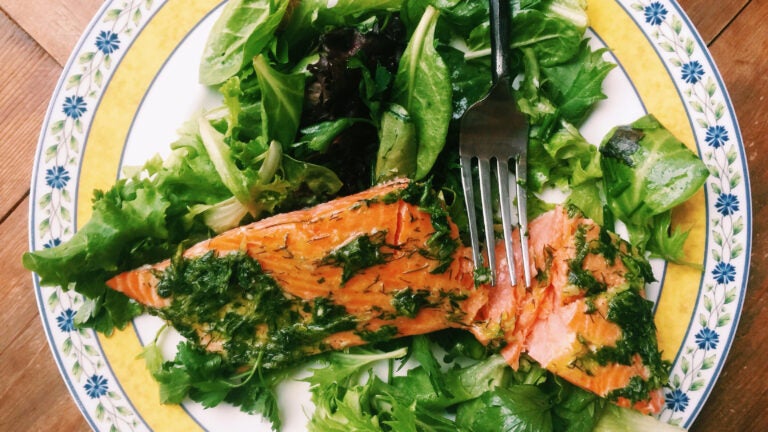
Researchers believe the study’s findings suggest that for a healthy diet, people should replace saturated fats like butter, lard, and fat in red meat with unsaturated fats from plant-based foods like olive oil and canola oil, and fish like salmon.





To comment, please create a screen name in your profile
To comment, please verify your email address
Conversation
This discussion has ended. Please join elsewhere on Boston.com