
Newsletter Signup
Stay up to date on all the latest news from Boston.com
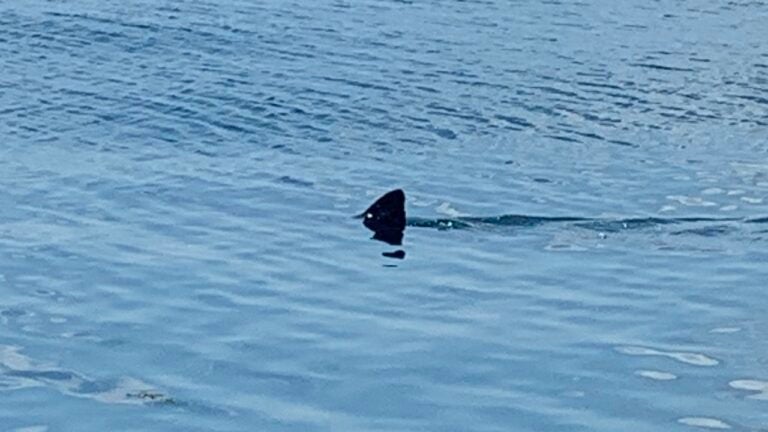
Cape Cod beaches may have reported zero shark bites last summer, but international data showed shark attacks in general were up. The good news: You are still more likely to win the lottery than be bitten by a shark.
The Florida Museum of Natural History tracks shark behavior in its International Shark Attack File. In it, shark bites are classified into categories such as provoked, unprovoked, and boat bites.
According to the ISAF’s recently released 2023 report, there were 69 unprovoked shark bites around the world, 10 of which were fatal. In the vast majority of cases, the sharks mistake people for a seal and take a “test bite,” according to the report.
In other words, it is extraordinarily rare to see instances of intentional shark predation against humans.
“We are not on the menu for sharks,” Joe Miguez, a graduate student at the Florida Program for Shark Research, told Boston.com. “If we were, and sharks did actively predate humans, the number of shark attacks and bites that we would have a year would be in the thousands to hundreds of thousands.”
For the past five years shark bites have remained, on average, around 64 bites per year. The past year sits slightly above average, with one additional fatal bite than in 2022.
However, much of the data follows the pattern of previous years. Of the fatalities, 40% occurred in Australia at isolated surfing spots with poor beach safety. Without proper emergency services nearby, surfers bitten off of isolated beaches are more likely to die from blood loss.
Egypt and New York were places that experienced unusual cases of shark attacks in 2023.
A tiger shark attacked a 23-year-old Russian tourist in the Red Sea, seen in a video captured by beachgoers. Unlike the majority of attacks, the incident in Egypt showed active predation by the tiger shark. According to Miguez, it is likely the shark did not have access to a proper prey source or was encountering a human for the first time.
In August, New York experienced its first shark attack in more than half a century. A 65-year-old woman reportedly lost “approximately 20 pounds of flesh” from the ordeal, according to local reporting. The attack at Rockaway Beach in Queens was non-fatal, but Miguez warns that these random instances are not exactly random.
“Everytime that we talk about shark attacks, it’s always a numbers game. You put more bodies in the water and you will increase your chances of encountering a shark,” said Miguez.
And as water quality continues to improve in New York, more people are hitting the beach just as shark populations increase.
Miguez also said that the movement of bait fish was directed inshore in 2023, meaning the shark’s desired prey is closer to where most beachgoers prefer to swim.
As for Cape Code, the fact that for the second year in a row there were no reported shark bites does not necessarily indicate a change in shark behavior, according to Miguez.
Most likely the majority of the shark population shifted from popular beach areas, or the seal population in those more remote areas increased, he said. Still, a recent study from the Atlantic White Shark Conservancy in North Chatham, UMass Dartmouth, and the state fisheries division found that the Cape is one of the biggest hotspots for white sharks in the world. And while there might not have been bites here last summer, there were sightings aplenty.
The Atlantic White Shark Conservancy identifies Cape Cod as the only place in the northwest Atlantic where sharks aggregate. And thanks to the continued protection of great whites and gray seals, both species have a healthy predator-prey relationship in the region.
And though Mass. shark attacks have been scarce in recent summers, beaches in Florida and Hawaii remain high with 16 and eight unprovoked attacks last year, respectively. Miguez offers insight on shark behavior and how to remain safe, both at home and away:
On Cape Cod in particular, peak shark activity occurs summer through fall. The AWSC advises that recreational swimmers stay away from areas highly populated by seals. If you see one, you may be mistaken for one.
Miguez noted that shark species have existed for millions of years, but we are still learning so much about them. “If we increase the amount of science and conservation, keep them around a little bit longer, the more questions we can answer about them,” he pointed out.
Stay up to date on all the latest news from Boston.com



To comment, please create a screen name in your profile
To comment, please verify your email address
Conversation
This discussion has ended. Please join elsewhere on Boston.com