
Sign up for the Today newsletter
Get everything you need to know to start your day, delivered right to your inbox every morning.
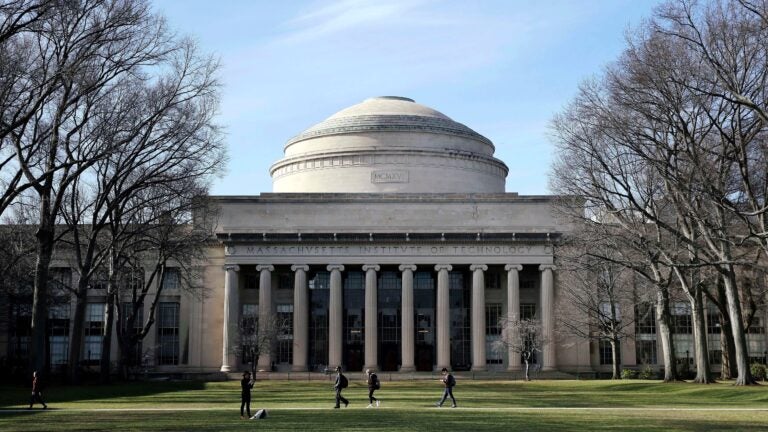
Two Boston-area universities, the Massachusetts Institute for Technology in Cambridge and Brandeis in Waltham, announced plans to cover full tuition for undergraduate students whose families earn less than a certain threshold amount starting in fall 2025.
AT MIT, incoming students with an annual family income below $200,000 will have tuition fully covered by the university, and students from families with income below $100,000 will have their tuition covered as well as all other fees, like housing, dining, and an allowance for books and personal expenses.
The $100,000 threshold is up from $75,000 this year, and the $200,000 is increasing from its current level of $140,000, MIT said in a statement.
At Brandeis, under a program called the Brandeis Commitment, the university will cover full tuition for students from families with total incomes of less than $75,000 annually with typical assets. It will also take on 50% of tuition for students from families earning less than $200,000 with typical assets. Tuition will be covered by a mix of grants and scholarships.
In statements shared Tuesday by Brandeis and Wednesday by MIT, university officials emphasized their goals to increase accessibility.
“The Brandeis Commitment aligns with what Brandeis has been about since its founding – enabling talented students from all backgrounds to obtain a top-tier education,” said Brandeis interim President Arthur Levine in the statement.
Tuition at Brandeis costs $67,082, with an additional mandatory student activity fee of $598. The average cost of on-campus housing options is $11,960, and the food plan for students living on campus costs $7,984. Books and supplies are estimated to be $1,000 and personal expenses at around $1,200, bringing the total cost for a student living on campus to $89,824. Even for students who may move off campus after the required first year, the estimated cost for those students is still above $80,000.
At MIT, the numbers are similar. Tuition costs $61,990, plus a student life fee of $406. For housing and food, it uses its most expensive on-campus double room and its most expensive meal plan, which come in at $13,060 and $7,220, to determine the total. Books, course materials, supplies, and equipment, as well as personal expenses, are estimated to cost a total of $3,284, bringing the total to $85,960.
Tuition prices have spiked to these heights nationwide, including in Massachusetts, where MIT and Brandeis are not even the most expensive options. Boston University, Tufts University, and Wellesley College all now top $90,000 a year.
MIT’s increased thresholds for full-tuition coverage are part of the university’s long commitment to making an MIT education accessible for more students. The school has earmarked $167.3 million in need-based financial aid for undergraduate students this year alone, up some 70% from a decade ago. It’s also one of only nine colleges in the U.S. that does not consider applicants’ financial status as part of its admissions process and that meets the full demonstrated financial need for all undergraduates.
“The cost of college is a real concern for families across the board, and we’re determined to make this transformative educational experience available to the most talented students, whatever their financial circumstances,” said MIT President Sally Kornbluth in the statement.
Brandeis, likewise, has previously met 100% of demonstrated financial need for all families who qualify, and will continue to do so. Students eligible for the Brandeis Commitment may also qualify for additional aid, based on their family’s calculated financial need. Applicants will automatically be considered for the Brandeis Commitment with their financial aid applications.
“The Brandeis Commitment will provide more clarity for prospective students and families who want to have a better sense of the aid they will receive before they apply,” said Jennifer Walker, the school’s dean of admissions, in the statement.
These changes follow community college being made free across Massachusetts, and an announcement in October that the University of Massachusetts would fully cover tuition through a combination of university-funded financial aid, federal aid, and state financial aid for students whose families earn less than $75,000 annually.
Get everything you need to know to start your day, delivered right to your inbox every morning.





To comment, please create a screen name in your profile
To comment, please verify your email address
Conversation
This discussion has ended. Please join elsewhere on Boston.com