
Boston.com Tonight
Sign up to receive the latest headlines in your inbox, every night.
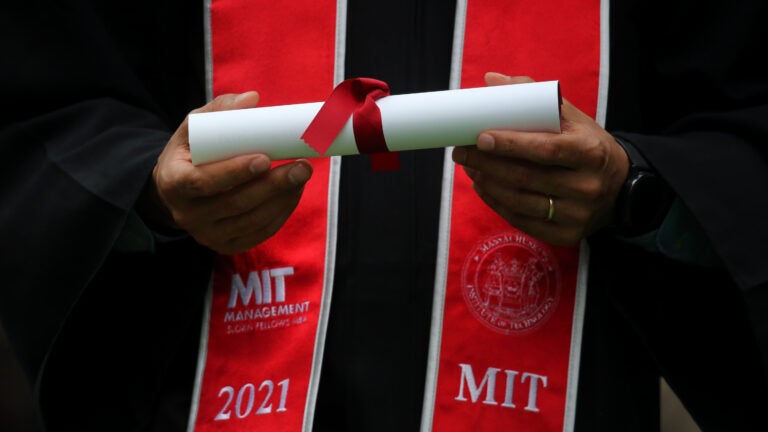
Massachusetts is known for attracting some of the brightest college students to attend its several prestigious universities, often landing in the top-10 campus lists each year.
It was announced last week that a handful of area colleges appeared in the top-10 rankings for 2024 published by The Wall Street Journal — though a Massachusetts university didn’t grab the top spot.
The Wall Street Journal
National college rankings, especially the popular list from U.S. News & World Report, have been lambasted by some in the higher education community for questionable criteria and promoting prestige over quality and value.
But the latest ranking from WSJ/College Pulse 2024 Best Colleges in the U.S. said it “put even greater emphasis” on the value schools provide when it comes to graduating on time and the salaries they earn in the job market.
“Some college-ranking methodologies tend to have the effect of splitting universities into the haves and the have-nots by evaluating the resources a college has at its disposal,” WSJ reports. “Working with data scientists at Statista, the new WSJ/College Pulse ranking uses the most recent available data to put colleges on a more level playing field, with a focus on comparing the outcomes of each school’s graduates to what those students were likely to achieve no matter where they went to school.”
Ranking at No. 1 was Princeton University, a prestigious Ivy League school that is no stranger to the top spot. In the No. 2 spot? Massachusetts Institute of Technology.
Other Massachusetts institutions in the top 10 were Harvard University at No. 6, Amherst College at No. 8, and Babson College at No. 10.
Below is the full top-10 ranking of schools from the WSJ:
Here is how the 22 Massachusetts institutions on the list ranked:
WSJ broke down their methodology, with student outcomes accounting for 70% of the school’s score — that includes a student’s salary impact, how long it takes them to pay off their debt, and graduation rates. Learning environment accounted for 20% and diversity for 10%.
It’s this methodology, WSJ reports, that pushed some prestigious schools — Brown University and Johns Hopkins University, for example — lower and “surfaced some hidden gems.” This ranking looks at 400 universities, and you can search for a university by name or filter by state.

Sign up to receive the latest headlines in your inbox, every night.





To comment, please create a screen name in your profile
To comment, please verify your email address
Conversation
This discussion has ended. Please join elsewhere on Boston.com