
Sign up for the Today newsletter
Get everything you need to know to start your day, delivered right to your inbox every morning.
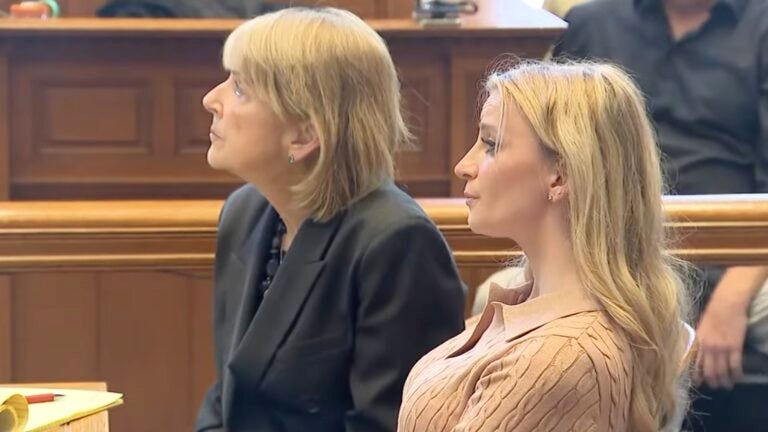
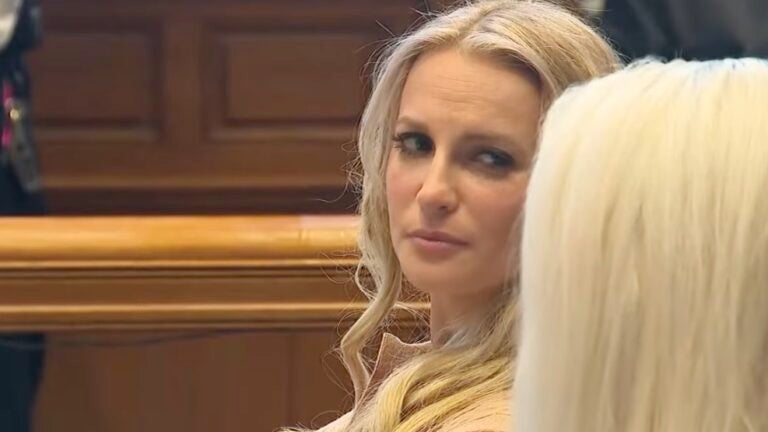
As she stands trial for allegedly pointing a gun at a fellow North Andover police officer last summer, Kelsey Fitzsimmons’s fate rests not in the hands of 12 jurors, but one man: Judge Jeffrey T. Karp.
Fitzsimmons’s defense team made headlines earlier this month when they opted to forgo a jury in favor of a bench trial, but legal experts say the decision isn’t that unusual. In fact, according to criminal defense attorney Tracy Miner, it can even be beneficial to waive a jury trial in cases where emotions run high.
“This seems to be one, obviously, where you’re afraid a jury is just going to let their emotions overtake a cold look at the evidence,” Miner explained.
Fitzsimmons was shot by a colleague last June as police attempted to serve a restraining order on behalf of her then-fiancé. Fitzsimmons has said she struggled with postpartum depression after giving birth to the couple’s son in February 2025, and their relationship ultimately disintegrated.
Fitzsimmons is accused of trying to shoot one of the three North Andover officers who served the restraining order on June 30, though she maintains she pointed the gun at her own temple in a “half-hearted attempt” to kill herself. The officer, Patrick Noonan, reportedly implored Fitzsimmons to drop her weapon before firing two shots at her and striking her in the chest.
Fitzsimmons has pleaded not guilty to one count of assault with a dangerous weapon. If convicted, she faces up to five years in state prison.
Without jury selection and the logistical wrangling of bringing 12 jurors into court each day, bench trials tend to be more streamlined, according to Miner.
But whether a bench trial makes more strategic sense depends on both the judge and the particular case at hand, she explained. For example, Miner said she’d prefer to try a high-profile case before a jury, rather than a judge.
“I’m always worried a judge will be more influenced by publicity than a jury will, because, again, you’ve got 12 people [on a jury],” she explained.
In a case with heavy emotions, however, Miner said she believes judges are generally “better equipped” to focus on the facts.
“Obviously they have emotions, too, but I think judges try to get it right and set their emotions aside, set some of their implicit biases aside, more than a jury because they’re aware of it,” she said. “I mean, they’re just more aware of the factors that shouldn’t be part of a decision.”
Addressing reporters after Fitzsimmons waived her right to a jury trial, defense attorney Martha Coakley said it’s not a question of who is better suited to decide, but who’s more familiar with the “unusual facts” of Fitzsimmons’s case.
“We thought it was important to make sure whatever we did with a jury or a judge, that we would be able to stick to the facts of what happened on that day,” she said, per video from MassLive. “There is … a lot of excess noise around it.”
For her part, Fitzsimmons told reporters a bench trial “just makes the most sense in my case.”
While he doesn’t know exactly why Fitzsimmons waived a jury trial, criminal defense attorney Keith Halpern speculated that her self-professed struggles with postpartum depression could have played a role.
“In general, I think one of the issues is that you’re less concerned that a judge is going to be impacted by bias, whether it relates to evidence, whether it relates to a bias against a mental illness defense,” he said.
While Fitzsimmons’s attorneys are not waging an insanity defense or claiming a lack of criminal responsibility due to mental health, her description of an alleged suicide attempt is key to the defense narrative.
“The reality is there are a lot of people who just don’t believe that mental illness is a legitimate defense in a criminal case,” Halpern said. “And so it is riskier to do a defense that involves mental illness with a jury than it is with a judge.”
For Fitzsimmons, a jury trial would also mean trying to convince 12 people that Noonan, a police witness, isn’t credible, he noted.
“Depending on the jury, there’s a lot of jurors who are more inclined to trust the word of a police officer over a citizen,” Halpern explained. He described Karp as an “extremely well-respected” former prosecutor and defense attorney who will be “sensitive to the reality” of the case.
In the end, prosecutors still face the same “reasonable doubt” burden of proof, though they will only need to convince one person.
“I think in general, the vast majority of cases are going to go to a jury, and the vast majority of defense attorneys are going to prefer a jury in most cases, if for no other reason than the government has to convince a bunch of people instead of just one,” Halpern said.
Miner agreed: “The thing you have going with you on a jury is you need unanimity. So you have the possibility of different voices in the room, whereas a judge, you just have one person.”

Get everything you need to know to start your day, delivered right to your inbox every morning.




Be civil. Be kind.
Read our full community guidelines.To comment, please create a screen name in your profile
To comment, please verify your email address