
Newsletter Signup
Stay up to date on all the latest news from Boston.com
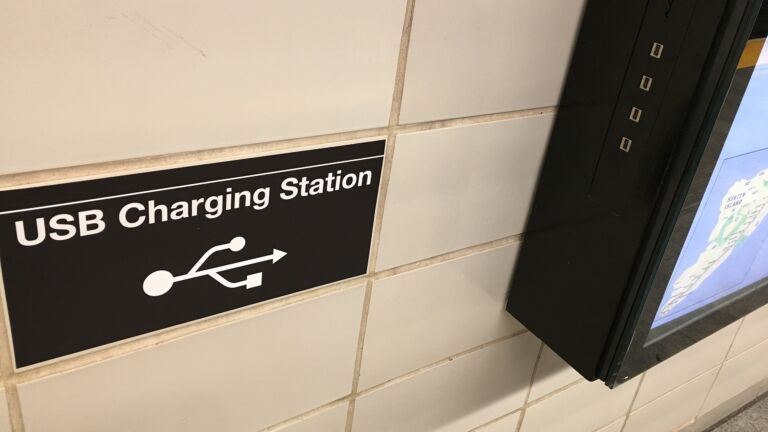
The FBI sent out a routine reminder this month that using public charging ports can put you at risk of having your data stolen.
Locally, the Boston FBI office said no instances of this type of cybercrime have been reported.
On April 6, FBI Denver tweeted a warning to protect your data online:
“Avoid using free charging stations in airports, hotels or shopping centers. Bad actors have figured out ways to use public USB ports to introduce malware and monitoring software onto devices,” the warning reads. “Carry your own charger and USB cord and use an electrical outlet instead.”
This type of crime is known as “juice jacking.” The term refers to when a hacker uses public USB ports to steal important data from or install malware on a phone, tablet, or other device.
The term originated in 2011 when researchers at a hacker convention displayed the potential data breach risks of these charging ports, The Washington Post reported.
It’s unclear how common juice jacking really is, the newspaper wrote, and a juice jacking attack has yet to make headlines.
What little we do know about this type of cybercrime comes from the FCC. In an article updated Tuesday, it wrote that hackers may leave cables plugged into public charging ports as bait. People have also reported infected cables being distributed as promotional gifts, it said.
Juice jacking doesn’t seem to be a common crime in the Boston area. A spokesperson for FBI Boston said there haven’t been any local reports of juice jacking, and that the office intentionally chose not to retweet FBI Denver’s warning because it’s not really an issue here.
A spokesperson for Logan Airport also confirmed that it hasn’t received any reports of juice jacking at the airport. Even so, Logan Airport advises that passengers check for signs of tampering before using any of their public charging ports, and that anyone who thinks a port may have been tampered with should report it to airport security.
Some signs of charging port tampering include the charging port appearing to be damaged or having many adapters plugged in, the spokesperson said.
Stay up to date on all the latest news from Boston.com





To comment, please create a screen name in your profile
To comment, please verify your email address
Conversation
This discussion has ended. Please join elsewhere on Boston.com