
Newsletter Signup
Stay up to date on all the latest news from Boston.com
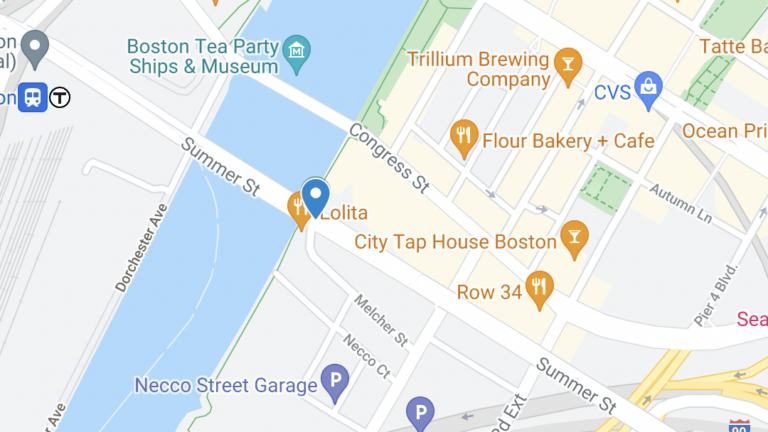
Diane Ly and Warren Cheng were in South Boston heading to dinner at Lolita’s on the evening of Sept. 11, 2019. The couple waited to cross Summer Street on the corner of Melcher Street, and headed into the crosswalk when they had the signal. A white cargo van, which had a green light, turned left into the crosswalk, killing Ly and seriously injuring Cheng.
New details about the case are coming out after Ly’s family filed a lawsuit against the driver, transportation company, and a project manager and traffic engineer who worked on the intersection. A video of the incident also became publicly available with the new court filings. (Warning: it’s difficult to watch.)
“They’re all negligent, it never should have happened, it was totally preventable,” Attorney Jeff Catalano, who represents Ly’s family and Cheng, told WBZ.
In 2019, reporting on the incident revealed that many residents and business owners had complained about that intersection to the city. Catalano cited 311 reports from residents warning “someone WILL get hit” and “someone is going to get hurt here,” WBZ reported.
The recently filed suit, however, is referencing new information about a July meeting between city officials, the project manager and the traffic engineer, WCVB reported.
“What we now know is that six weeks before this terrible accident, a meeting was convened,” Catalano said. “The sole purpose of this meeting was to talk about changing this intersection to make it safer… Let’s make this exclusively a pedestrian right away. Let’s not have pedestrians and cars coming into conflict.”
According to WCVB, an email from a city public information manager shows the city did move to change the walk signal, but not soon enough.
“Regrettably, the new plan was approved earlier on the same day that this fatal crash took place,” the employee, Tracey Ganiatsos, wrote in the email. Corrective action wasn’t taken until two days after the accident.
Catalano said that shows the city could have acted to prevent the crash.
“This is not something where they get hit and then they say, ‘Oh, gee, I guess we should have changed it.’ They knew they had to change it. They were going to change it. They just didn’t act with any real urgency knowing that this is a life-threatening situation,” he told WCVB.
The kind of traffic signaling present in that intersection is most likely familiar to most Bostonians, whether drivers, pedestrians, and cyclists. It’s called concurrent walk signaling, and it allows vehicles and pedestrians to travel in the same direction at the same time. At many of these intersections, pedestrians will get a walk signal either a few moments before or when the light turns green, and signage typically reminds drivers to yield to pedestrians. According to WCVB, there are 319 of these intersections all over Boston.
WCVB reviewed hundreds of 311 complaints about concurrent signaling, and found that city response is always the same: “…it improves pedestrian compliance with walk signals” and it’s “…consistent with pedestrian signal operation throughout the country.”
The new lawsuit is seeking damages “in an amount sufficient” to compensate Ly’s family.
“The family … wants to expose this very dangerous situation that exists within the city of Boston and other cities,” Catalano told WCVB, “so that people can reevaluate, ‘What are the consequences of this? People are going to get hit. People are going to die.’”
Stay up to date on all the latest news from Boston.com


To comment, please create a screen name in your profile
To comment, please verify your email address
Conversation
This discussion has ended. Please join elsewhere on Boston.com