
Efficacy of COVID shots wanes, fueling boosters debate
A number of published studies show that the vaccines’ protection against infection, with or without symptoms, has fallen.
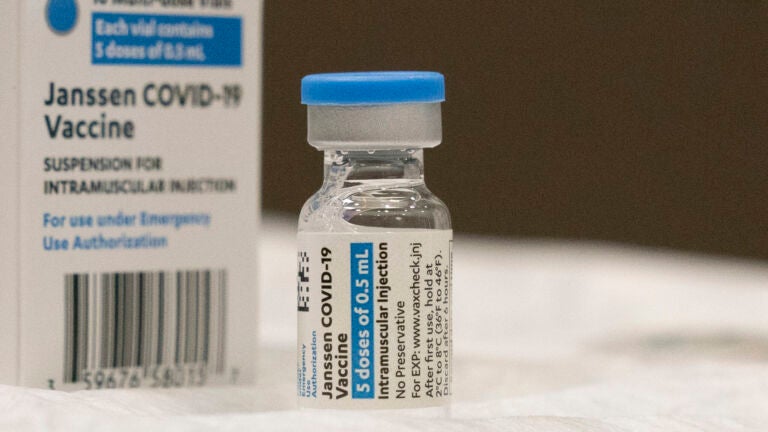
As tens of millions of eligible people in the United States consider signing up for a COVID-19 booster shot, a growing body of early global research shows that the vaccines authorized in the United States remain highly protective against the disease’s worst outcomes over time, with some exceptions among older people and those with weakened immune systems.
But although the vaccines’ effectiveness against severe disease and hospitalization has mostly held steady, even through the summer surge of the highly transmissible delta variant, a number of published studies show that their protection against infection, with or without symptoms, has fallen.
Public health experts say the decline doesn’t mean vaccines aren’t working.
In fact, many studies show that the vaccines remain more than 50% effective at preventing infection, the level that all COVID vaccines had to meet or exceed to be authorized by the Food and Drug Administration back in 2020. But the significance of these declines in effectiveness — and whether they suggest all adults should be eligible for a booster shot — is still up for debate.
A study in England examined the vaccines’ effectiveness against the delta variant over time. It found that the Pfizer-BioNTech vaccine is about 90% effective at preventing symptomatic infection two weeks after the second dose but drops to 70% effective after five months.
The same study found that the Moderna vaccine’s protection also drops over time.
A study in the U.S. and another in Canada looked at the vaccines’ effectiveness at preventing any infection from delta, symptomatic or not. Although they found different levels of decline, both studies found that the vaccines’ protection dropped over time.
But both the English and Canadian studies found that even after several months, the Pfizer-BioNTech and Moderna vaccines remain highly effective at preventing hospitalization.
Each of the three studies showed a different rate of decline in vaccine effectiveness, which can vary in studies depending on factors such as location, the study’s methods, and any behavior differences between those who have been vaccinated and the unvaccinated.
Experts say the research generally shows trends.
“The main objective of the COVID vaccine is to prevent severe disease and death, and they are still doing a good job at that,” said Melissa Higdon, a faculty member at the Johns Hopkins Bloomberg School of Public Health.
This article originally appeared in The New York Times.







To comment, please create a screen name in your profile
To comment, please verify your email address
Conversation
This discussion has ended. Please join elsewhere on Boston.com