
Beware of scams promising early access to COVID-19 vaccine, Mass. AG warns
“These vaccines are incredibly important to keep us healthy and help us defeat this pandemic, but unfortunately scammers are already trying to take advantage of this moment."
Related Links
The COVID-19 vaccine rollout has only just begun, and so have some related scams, according to Massachusetts Attorney General Maura Healey.
Officials have already started to see “potential” scams taking shape, from schemes that claim to provide early access to the vaccine to initiatives that seek to spread disinformation and gather personal information and cash, Healey’s office said Wednesday in a press release.
“These vaccines are incredibly important to keep us healthy and help us defeat this pandemic, but unfortunately scammers are already trying to take advantage of this moment,” Healey said in a statement. “We want residents to have confidence in this vaccination process and remain vigilant when it comes to fraud and fake offers.”
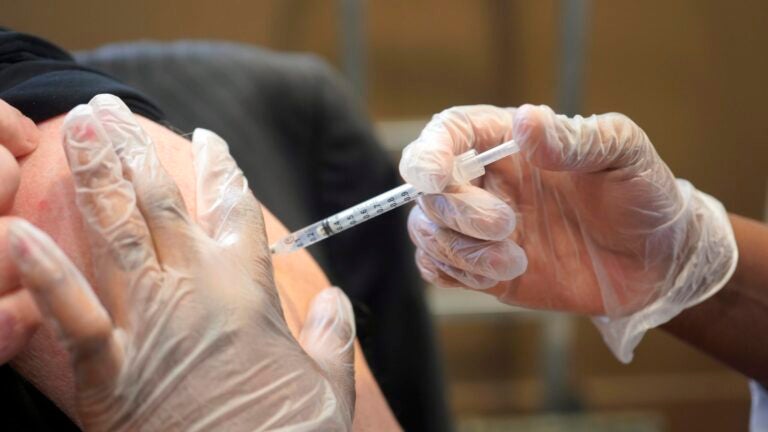
The state’s three-phase vaccination plan kicked off earlier this month. Heath care workers on the front lines of the pandemic are among the first to receive doses, followed by nursing home and long-term care facility workers and residents, first responders, congregate care settings, and health care workers who are not treating coronavirus patients.
Phase 2 is expected to begin in February, when other high-risk populations will be offered the vaccine, including people with at least two underlying medical conditions, and then essential workers, adults over the age of 65, and individuals with one comorbidity.
Those under the age of 65 will receive the vaccine in Phase 3, which is anticipated to start around April.
Healey’s office is alerting residents about specific email and phone call scams that promise vaccines ahead of the state’s schedule.
Unsolicited emails could contain a fraudulent link to register for the vaccine — phishing emails that “may be an attempt at identity theft and may contain hyperlinks and downloads for malware that can allow fraudsters to take over computers and steal information,” officials said.
Recipients should not open unsolicited emails or text messages from people they do not know and should not provide them personal information such as computer passwords, Social Security numbers, and bank account details, Healey’s office said. If an individual receives an email from their health care provider or employer about scheduling an appointment, they should call those places to verify the correspondence.
Healey’s office also highlighted a scam the U.S. Centers for Disease Control and Prevention (CDC) has become aware of in which a phone call may appear to be from the CDC on caller ID and in voicemail messages. Scammers will try to “obtain personal sensitive information in exchange for purported access to the COVID-19 vaccine,” officials said.
Beware of emails and texts from strangers asking you to register for the COVID-19 vaccine, and do not open any attachments or click links. These may be phishing scams. If you receive a dubious message that seems to come from a health care provider or employer, call to verify.
— AG Maura Healey Archived (@AGHealeyArchive) December 30, 2020
“People will either email you or call you and say, ‘Hey, we can help you hop the line and get access to the vaccine,’ or, ‘We’re calling from the CDC and we need your information so you can qualify for the vaccine. So, give us your social security give us your personal information and also give us a credit card number so we can get you signed up and get you vaccinated,’” Healey told Boston 25 News. “This is completely bogus. It’s a scam and just avoid it.”
Officials advise residents should be “wary of any unsolicited offers” that require someone to provide health care provider or insurance information, or ask for a deposit or payment to receive early access to the vaccine.
“You can’t pay to put your name on a list to get the vaccine or to get into a vaccine clinical trial,” Healey’s office said in the press release. “Information about how to access the vaccine will be widely disseminated by DPH when the vaccine becomes available to the general public. Massachusetts residents will not have to pay out of pocket for the vaccine.”
State officials are also urging the public to help prevent the spread of false information surrounding the vaccines.
According to Healey’s office, “online campaigns with a range of disinformation have flourished, sparking fear and distrust about the vaccines.” Residents should consult with their health care provider, the CDC website, the state Department of Public Health, and state and local health officials for reliable COVID-19 vaccine information.
Those with concerns or questions about a potential scam can call the attorney general’s consumer hotline at 617-727-8400 or submit a complaint online.
Disinformation is everywhere. There are concerted online campaigns to sow fear and doubt about vaccines. Don’t spread this info; instead seek out accurate updates from your doctor, trusted community leaders, @CDCgov, @MassDPH, and your local board of health.
— AG Maura Healey Archived (@AGHealeyArchive) December 30, 2020
Anyone with questions or concerns can call our consumer hotline at 617-727-8400 or file a complaint online.
Have confidence in the vaccine process and remain vigilant. https://t.co/wDiuq187vQ
— AG Maura Healey Archived (@AGHealeyArchive) December 30, 2020



To comment, please create a screen name in your profile
To comment, please verify your email address
Conversation
This discussion has ended. Please join elsewhere on Boston.com