
When it comes to its COVID-19 response, the MBTA could do more, study says
Personal hand straps and posters and announcements in multiple languages are some of the steps other transit agencies have taken.
Related Links
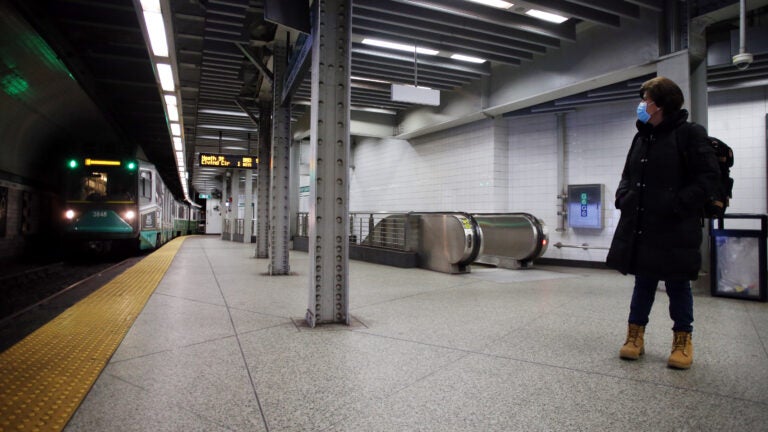
When it comes to the MBTA’s response to protecting workers and passengers during the COVID-19 pandemic, a study suggests there’s more that could be done.
The study, titled “U.S. Transit Systems & COVID-19: How does the MBTA compare?,” published by the Pioneer Institute, notes that there are measures the MBTA has taken to help during the pandemic, including pushing for rear-door boarding, increasing the amount of cleaning supplies, and hanging up posters for the public on social distancing and education on how to stop virus transmission.
However, there are other measures the MBTA could be doing that other transit authorities have undertaken. These include allowing workers to enforce social distancing by limiting the number of passengers on a bus, train, or trolley; some agencies have limited the number of riders on buses to 20. The MBTA also doesn’t have a set plan for addressing emergencies, either for COVID-19 or other types of emergencies, such as inclement weather.
In response to the study, MBTA spokesman Joe Pesaturo noted that workers have been provided personal protective equipment, there’s easy access to testing for employees, and the agency is checking workers’ temperatures before they begin work. The T is also disinfecting vehicles once a day, plus is cleaning “all high-contact surfaces on buses during mid-day layover periods” and providing guidelines for workers.
“The MBTA has taken aggressive steps to protect the health and safety of customers and the workforce, and it will continue to work with labor unions to identify additional actions for the protection of employees,” he said in an email to Boston.com.
The MBTA has been running on a reduced schedule since mid-March when the COVID-19 crisis began to take hold. It’s since been modified several times as riders have complained of overcrowding.
While the MBTA makes announcements regarding information about COVID-19, other agencies, like San Francisco’s Bay Area Rapid Transit, have posters and make announcements in other languages. The study notes the MBTA “could do more to reach non-native English speakers in both written and aural messages.”
Other agencies, like the Washington Metropolitan Area Transit Authority, release information about positive cases of the virus among its staff. It also released maps detailing “station closings and alternative rail systems.” In Philadelphia, its transit agency created a map of essential services near stations.
“The MBTA has largely failed to take some of these more advanced steps, but unions, particularly the Carmen’s Union, have helped fill in the gaps by keeping transit employees engaged and informed on COVID-19,” the study says. “From around the country, stories abound of transit agencies working with unions to stock up on protective gear and cleaning supplies.”
In Chicago, the transit authority has stopped collecting fare to encourage rear-door boarding, the study says.
“This is particularly relevant for the MBTA Commuter Rail, which still collects fares aboard the train with conductor walk-throughs,” the study notes.
The San Francisco transit agency cleans frequently touched areas in stations eight times a day; the study notes that for the MBTA it’s six times a day. Like the MBTA, others agencies have also added hand sanitizer dispensers in stations.
“Several agencies have significantly increased their inventory of cleaning materials, sometimes even promising the use of ‘hospital-grade’ disinfectant,” the study says. “BART has equipped all train operators with cleaning materials so they can clean their work area between rides, and offered riders personal hand straps that can be removed and washed between uses, limiting the need to touch metal bars and other shared equipment.”
On having an emergency plan, the study notes that Washington D.C.’s transit agency has a specific plan for a flu pandemic, but notes that “few transit agencies are as well prepared.” In San Francisco, a plan was set up to tackle the COVID-19 crisis.
“The MBTA has nothing of the kind and, given that Boston has more frequent severe weather than San Francisco, should think more comprehensively about emergency responses going forward,” the study says.
The Pioneer Institute says it plans to continue watching the MBTA’s actions .
“The bottom line is that transit workers and riders must remain safe and healthy as they continue providing their vital services,” the study says.



To comment, please create a screen name in your profile
To comment, please verify your email address
Conversation
This discussion has ended. Please join elsewhere on Boston.com