
How Your Life Will (or Won’t) Change From the Massachusetts Ballot Question Results
Each of this year’s four statewide ballot questions hit on issues of business and personal finance significance. With the questions now answered the day after Election Day, here’s a quick look at how your life (and your wallet) will or won’t be any different.
Check out: The 2014 Massachusetts Ballot Questions Explained in Plain English
QUESTION 1—The gas tax is staying put
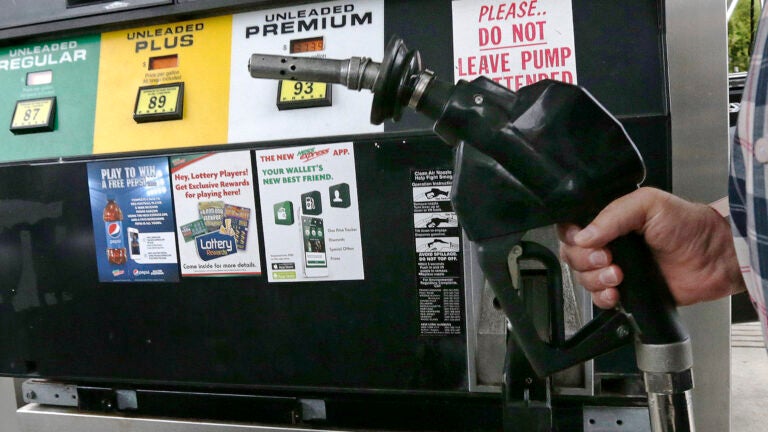
Voters opted to repeal a 2013 law passed by the legislature that would automatically adjust the state’s per-gallon gasoline tax based on the rate of inflation. That means the gas tax won’t adjust each year.
What does that mean for your bank account? Absolutely nothing. That’s the point.
The gas tax will stay exactly where it is right now, at 24 cents per gallon. The indexing law was set to take hold next year, so this measure was preventative. You won’t be paying more in gas tax (at least, not until legislators vote to increase it), but you won’t pay less, either.
The state will have to adjust its plans for infrastructure funding, but again, it won’t be working with less than what it’s getting right now.
QUESTION 2—Beverage costs remain in place
In rejecting Question 2—by a very, very wide margin—voters kept the cost of bottled water, sports drinks, juices, and other beverages free of the 5-cent bottle deposit that currently tops off the cost of a carbonated beverage.
If you’re the type to buy a lot of bottled water, you won’t be paying more for it (or at least not as a result of new deposits). You still won’t be able to return those bottles to get a quick 5 cents. And if you live in a town or city that doesn’t offer curbside recycling, you’re still going to have to either pay up or get creative about finding ways to recycle non-carbonated beverage containers.
QUESTION 3—You can gamble at casinos, at some point
In saying ‘no’ to Question 3, voters said ‘yes’ to casinos. That means you’ll be able to spend money at the establishments slated for Massachusetts relatively soon. The Plainridge Park Casino, a planned slots parlor in Plainville, is scheduled to open next June. The MGM Resorts full casino in Springfield is scheduled for 2017. The Wynn Resorts proposal in Everett is also expected late that year, provided everything there stays on track.
Meanwhile, the communities hosting the casinos will start receiving some pretty big pay-outs from the developers. Everett, for instance, will receive $30 million in a one-time payment from Wynn during the casino’s construction period. Once the casino opens, it will receive more than $25 million per year. Springfield and Plainville will also receive payments—though Plainville’s are significantly smaller, as the slots parlor is a much smaller project (then again, so is its population). If you live in one of those towns and cities, get ready to see big changes as they welcome the gambling establishments, and are hoping for improved city services as a result of the cash that comes with them.
And if you live in Southeastern Massachusetts, prepare for the process that has already been undergone in the western part of the state and Greater Boston; the state’s third full casino license is expected to be awarded next year.
QUESTION 4—If you don’t get it already, you’re getting sick time
Whether your financial situation will change based on the outcome of Question 4 depends on whether or not you already get paid time off from your employer for illness. If you do, then enjoy the status quo.
But if you’re among the somewhere-around-a-million workers who cannot take paid time off in Massachusetts, the passage of Question 4 may well be a very big deal for you. If you work for a company with 11 or more employees, you will now get one hour of paid time off to deal with personal or family illness, go to a medical appointment, or address a domestic abuse situation for every 30 hours you work. You’ll max out at 40 hours per year (or five sick days, if you generally work an eight-hour shift).
If you work in a restaurant, which generally means you are paid less than $3 per hour and are expected to at least make the minimum wage in tips, you will be paid the minimum wage for that time off. If you work at a company with fewer than 11 employees, you can now earn sick time but will not be paid for it. That’s less of a win for those workers, but in the event you have a boss who won’t let you give up your pay to stay home and vomit, you’re at least covered now.
On the other end: if you run a business and don’t already offer sick time—yeah, this is a new expense. Worth noting: If an employee takes sick time, but makes it up during the same or next pay period, you aren’t on the hook. Also, if you’re worried about fakers, you can ask for a doctor’s note or another form of proof if an employee takes more than 24 consecutive hours. But all told, when the law goes into effect next July, this will indeed be a new cost of doing business.





To comment, please create a screen name in your profile
To comment, please verify your email address
Conversation
This discussion has ended. Please join elsewhere on Boston.com