
California-based Lyft is growing its local presence in Boston
The company is planning to move into Charlestown office space in October.
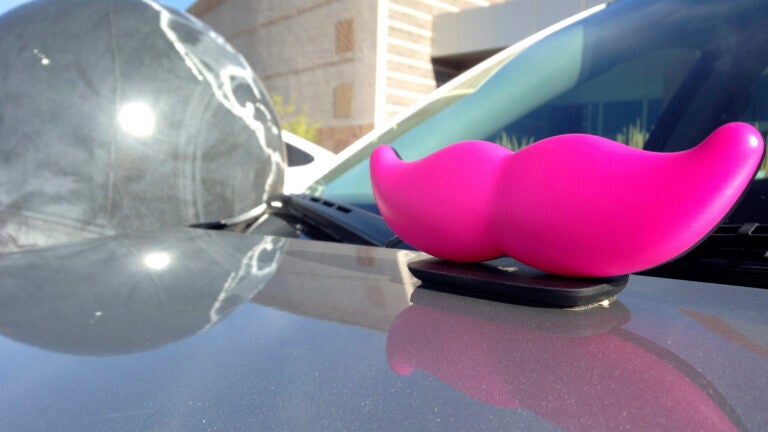
Lyft spent its first couple of years in Boston navigating it from afar, with market-specific decisions made out of its San Francisco headquarters while competing with fellow California-based hired-ride service Uber for the city’s passengers and drivers. But in the last year, Lyft has taken steps to more directly manage the Boston market, with a local team setting local strategy — and planning to soon move into a local office.
Not including its drivers (who operate as independent contractors), Lyft currently employs 10 people in Greater Boston. They all started within the last year, according to Tyler George, the company’s Boston general manager and the first Lyft employee in the city. Other local Lyft employees work in marketing, strategy, and driver support roles.
Boston is one of 20 U.S. markets with a Lyft office, according to company spokesman Adrian Durbin. Others include New York, Chicago, L.A., Atlanta, Miami, and Denver.
Lyft’s Boston team has been working out of shared office space at the Cambridge Innovation Center in Kendall Square, but its members will soon have a place to call their own. They plan to load into 4,500 square feet of office space at 56 Roland St. in Charlestown in late October.
“The major benefit of this office is it will provide walk-in, walk-out driver support, which we can’t do at our temporary office,” George said.
He said the Sullivan Square location, near I-93 and with parking, will make it easy for drivers to access. The move comes amid an uptick in the service’s popularity, according to George, who said the company has seen about a 500 percent increase in Boston-area rides in the last year.
By the time Lyft’s Boston employees move in, George said he hopes to have added another five to the team.
Lyft’s more localized, less-centralized approach to Boston and other cities mirrors Uber, which first opened a Boston office in 2011. Uber has long empowered its local offices to experiment with marketing, customer acquisition strategies, and more. Perhaps most famously, Uber’s Boston office is credited with (and blamed for) first pioneering surge pricing — lifting prices during periods of high-demand. Uber today has about 60 employees between two locations in the city: a main office near TD Garden, and a recently opened driver support center in Dorchester.
George said prior to his hiring, Lyft’s marketing and strategy decisions were made remotely. Now, the placement of Lyft advertisements or event sponsorships originate here (though the marketing art is still created externally, according to George). Discounts and offers to get new riders using the app also go through George. Some aspects of the in-app experience have changed since the company established more local control, too.
“At some of the trickier places both for the passenger and driver to connect, such as Fenway Park or the Convention Center … we now have in the app what we call menus that sort of point the passenger to the easiest places to pick up,” George said.
One thing Lyft hasn’t localized is its lobbying and governmental relations efforts, instead relying on employees from San Francisco and New York to handle the regulatory battle that ride-hail companies fought over the last year. That’s in contrast with Uber, which saw its local office lobby over legislation that was ultimately passed by state lawmakers late last month.
George said Lyft’s local brigades are tasked with focusing more on customer acquisition and experience.
“We didn’t want the local offices to be primarily concerned about policy and politics,” he said, though he added that the Boston office will play a role in making sure the company and its drivers comply with the new Massachusetts regulations once they go into effect next year.
Correction: An earlier version of this article misstated the address of Lyft’s new office. It is 56 Roland St.





To comment, please create a screen name in your profile
To comment, please verify your email address
Conversation
This discussion has ended. Please join elsewhere on Boston.com