
After backtracking on Airbnb tax, Charlie Baker mum on potential Uber surcharge
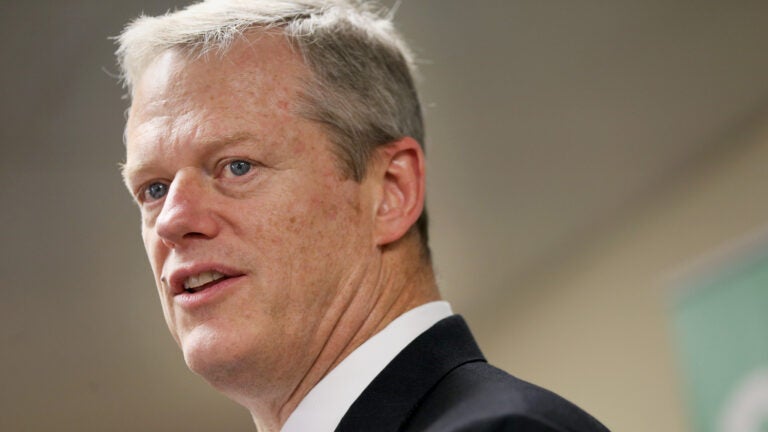
Fresh off a change in tone about whether Airbnb and other short-term rental services should pay hotel taxes, Gov. Charlie Baker is not saying whether he would support a proposed per-ride fee for companies like Uber and Lyft.
The governor last week told Boston Public Radio that he supported taxing Airbnb rentals. Airbnb and similar companies allow people to rent rooms or whole homes to travelers online.
Baker, a Republican, has generally been opposed to increasing taxes, but said he could get behind the Airbnb plan as a matter of creating a “level playing field” between the lodging service and traditional hotels.
The measure was included in an economic development bill by the state Senate to help fund an expansion of the state’s Earned Income Tax Credit. Airbnb itself has been supportive of the tax.
But Baker quickly changed course, saying Friday and then reiterating on Monday that upon further thought, he does not back the tax.
“If anybody thinks I’m walking back my no-new-taxes view of the world, they’re mistaken,” Baker said, according to The Boston Herald.
“I guess my answer would be I’m not interested in raising taxes. I am interested in leveling playing fields. At this point in time, on this particular issue, those two things seem to be in conflict,” he said, adding that he needed to do “more homework” on the idea.
The economic development bill that includes the Senate’s proposed Airbnb tax is one of a few major pieces of legislation being deliberated between the Senate and the House as the two-year legislative session catapults to its conclusion on Sunday.
Another would govern services that, like Airbnb, have been described as part of the “sharing economy”: On-demand transportation services like Uber and Lyft.
The ride-for-hire legislation could also impose a new tech surcharge. The Senate’s proposed bill would include a 10-cent assessment for every ride completed by transportation network companies. If adopted into a compromise bill and ultimately enacted, the money would be distributed to cities and towns to pay for transportation-related expenses.
But unlike the Airbnb tax, Baker isn’t indicating his appetite for the dime-per-ride assessment.
Asked whether the governor would back it, Baker spokesman Billy Pitman simply said in an email Tuesday that Baker “appreciates the legislature’s work on a regulatory framework for transportation network companies and looks forward to reviewing a final bill that ensures public safety while embracing innovation and economic growth.”
The House bill does not include the per-ride surcharge. However, Uber and Lyft have been supportive of the Senate bill and opposed to the House version based on other differences between the two proposals.
The companies supported a bill filed last year by Baker that was similar to the Senate version but did not include the per-ride charge.




To comment, please create a screen name in your profile
To comment, please verify your email address
Conversation
This discussion has ended. Please join elsewhere on Boston.com