
Boston-based Uber competitor not too worried about regulations
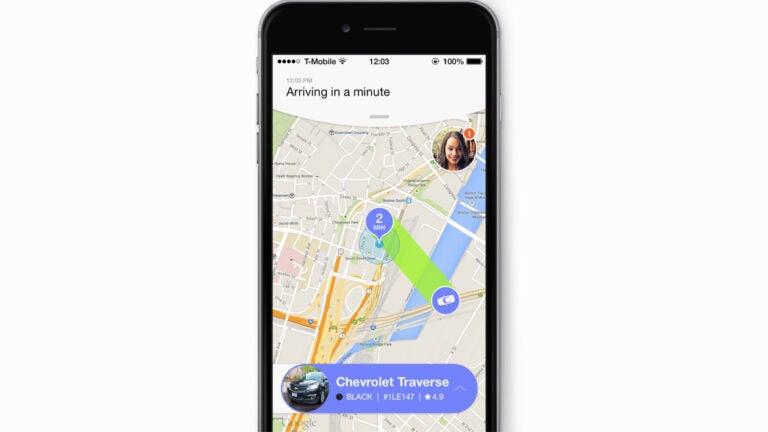
As lawmakers continue to negotiate over how to properly regulate ride-hail services like Uber and Lyft, the California-based market leaders have buzzed around them, arguing for or against certain provisions and deploying lobbyists to secure a law they find favorable.
But a company based closer to home, Fasten, is taking a more relaxed perspective.
“I don’t think there is anything crazy about the proposed law and nothing to really worry about,” said Kirill Evdakov, Fasten’s CEO.
Evdakov’s position contrasts with that of Uber and Lyft. The two more recognizable companies have said they support a bill passed by the Senate last month that would oversee the industry, but have rallied against provisions of a House proposal passed in March. Lawmakers have until July 31 to iron out the differences and pass a law.
The relaxed approach has at least as much to do with pragmatism as ideology: The company doesn’t really have much choice but to follow whatever rules may come.
Boston is one of just two Fasten markets, as well as its home. And while Evdakov declined to share data on ridership and usage, it’s safe to say Fasten has nowhere near the market hold of Uber or Lyft. So threatening to shut down operations in the city — as Uber and Lyft have done in cities that pass regulations they do not approve of — wouldn’t carry much weight, Evdakov admitted.
There’s also a strategic reason for Fasten’s willingness to submit to whatever regulations may occur. Earlier this year, the company expanded into Austin after Uber and Lyft left the Texas capital in protest of a city law requiring drivers to undergo fingerprint-based background checks. Fasten set off for Austin in an effort to fill the void, and is complying with the rules, Evdakov said.
“Fingerprinting itself is not a big deal, it’s not what will cause us to stop,” Evdakov said.
Fingerprinting almost certainly won’t be a requirement in Massachusetts. And Uber and Lyft, while stating their policy preferences, have not directly threatened to leave the state over any of the proposals they don’t like.
Still, the companies do take particular issue with a state-run background check included in the House bill. The Senate bill, which Uber and Lyft support, also requires a state background check, but allows the companies to provide driver information to state officials, rather than requiring drivers to independently approach state regulators. The companies say the House version would deter potential drivers from joining the service because undergoing the state background check would be too much of a hassle.
Evdakov agreed that adding steps to the hiring process could deter some drivers, but said Fasten would be OK with either background check option.
“Do we want additional steps? No, we do not,” he said. “But there’s a lot of things people have to do that you don’t want to do.”
Evdakov said he did not meet with lawmakers as they were crafting the potential law, unlike Uber and Lyft, which have been very active at the State House. (However, after this article was originally published, Evdakov recalled that he had met with House, but not Senate, officials last winter.)



To comment, please create a screen name in your profile
To comment, please verify your email address
Conversation
This discussion has ended. Please join elsewhere on Boston.com