
Hard to See How Cable Gets Cheaper
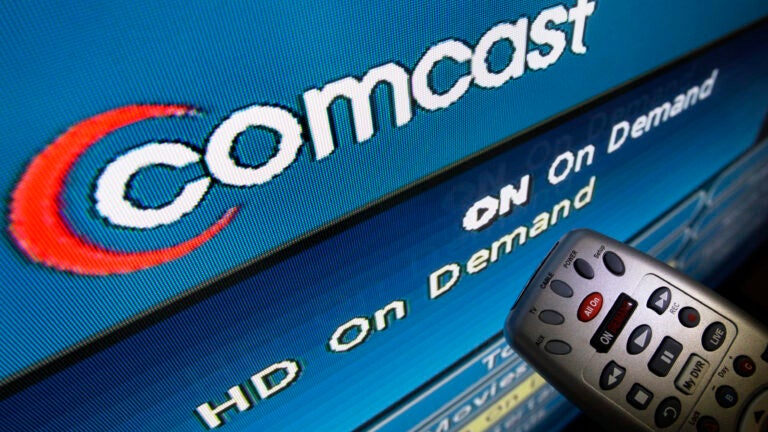
As we reported a couple weeks back, even though the average household with a TV gets 189 channels, it only tunes in to about 17. That 17 figure has been consistent since at least 2008, while the denominator in the equation—the 189—has grown from 129 that year.
With those numbers making the rounds, the chorus in favor of unbundled cable subscriptions—where users get to pick and choose which channels they want—has grown. And it’s with that position that the New York Times’s Josh Barro takes issue, in an article last week that was published in the Globe over the weekend.
Barr’s argument: Unbundling might not be best for consumers.
[fragment number=0]
[fragment number=1]
There are nits to pick here. For instance, the same logic that would allow networks to charge cable providers more—a more dedicated, and thus better-targeted, audience—might also allow them to charge advertisers more to reach a more committed viewership.
That said, though it’s a tough medicine to swallow, Barro is probably right. The economics of cable might be one reason unbundling would come at a cost. But even if they’re not—which is to say, even if telecoms aren’t actually acting in the best interest of the consumer (ha!)—you’d probably still wind up paying the same simply because cable providers themselves aren’t going to let themselves take it on the chin so easily.
They’re making a certain amount of money now, and even if somehow a la carte programming became the law of the land, they’d find a way to continue to reach or exceed those revenues. That means charging you all the more for those 17 channels you sign up for. Somebody else might try to undercut those prices, you say, but in most cities there aren’t very many “somebody elses’’ to do so.
Meanwhile, one content creator with a business model unique enough to give direct-to-market streaming a try isn’t seeing terrific results. The WWE Network—a new initiative that lets the wrestling giant stream archived content, new live content, and its monthly pay-per-view shows, to consumers for $10 a month—has scared investors away after a slow-ish start. That’s not going to encourage many other content creators to give similar ideas a try, as speculated in an article on Quartz.
Others probably wouldn’t try, anyway. WWE was in the position of making significant money off pay-per-views, meaning it could experiment with that content on its network while still selling its broadcast rights to networks which in turn sell them to cable companies. But most content creators don’t have that sort of two-pronged revenue opportunity. Networks (and thus, by extension, the creators of the content they serve) benefit from their relationships with cable companies. There’s a reason HBO and ESPN only offer their streaming services, HBO Go and ESPN3, to cable subscribers who already get their channels; they presumably make more money selling to providers than they could selling direct to consumers, and otherwise don’t want to ruin their relationships with those providers. In other words, it’s not just cable companies that benefit from the current system, it’s the entire TV ecosystem.
It’s important to note there are already some alternatives to cable. Plenty of people have cut the cord and get by with Netflix, Aereo, Hulu, and/or free web programming for dimes on the dollar. But the thing holding most people back has been, and will continue to be, the live programming—the opportunity to watch sports, news, and pop-culturally significant shows like “Game of Thrones’’ as they happen—that cable and satellite have to offer.
Barro’s article was only a half-measure. Unbundling channels probably won’t make cable or satellite services cheaper, not on its own anyway. Disruption is a tired buzzword losing all its meaning, but if there’s any answer to that question it’s going to depend on a rather massive shakeup. The problem is, it’s hard to see where exactly that shakeup comes from.
With that in mind, maybe unbundling still looks like the best bet anyway, if only because it looks like such a shakeup. Even if the best-case scenario meant only saving a few bucks, that still represents an improvement after all. And it’s not like cable’s getting cheaper with all this bundling anyway; according to the FCC, cable costs rose at four times inflation last year. But you’d be forgiven for any skepticism that the companies who control such things would let themselves lose revenue as long as there’s demand for live programming and no obvious alternative through which to receive it.



To comment, please create a screen name in your profile
To comment, please verify your email address
Conversation
This discussion has ended. Please join elsewhere on Boston.com