
Sign up for The Dish
Stay up to date on the latest food and drink news from Boston.com.
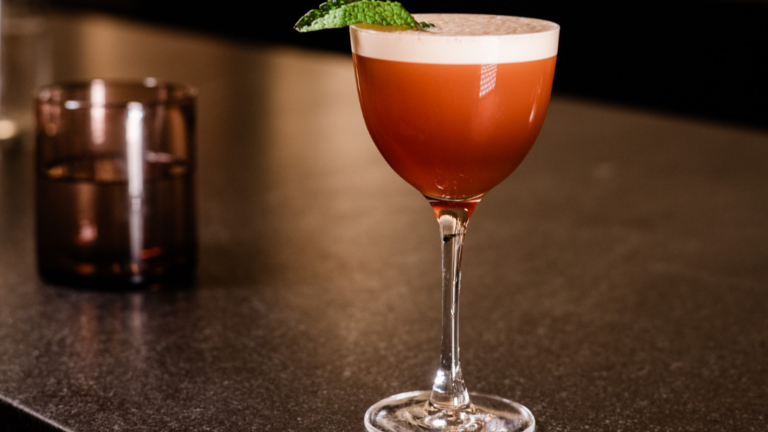
According to Boston, just about any moment is a good time for an espresso martini.
Take a look around the next time you’re at a restaurant or bar, especially one in the North End, and you’ll likely see entire tables with the dark brown elixir that mixes a stimulant (caffeine) with a depressant (alcohol). It’s a brunch cocktail, a pre-dinner drink, a dessert, and a beverage that keeps the night going.
“It’s one of those cocktails that continuously gets ordered,” said John Benevides, bar director for the Coda Restaurant Group. “It’s up there with the classic martini and a Negroni.”
Even the version of the drink at Baleia, a Coda restaurant that takes influence from the Algerian Mazagran to include coconut rum as the base liquor, mint syrup, and citrus bitters, is a top-selling cocktail for the Portuguese restaurant.
Believe it or not, this drink used to be uncool, having had its day in the sun in the late 90s and early aughts before it got shelved with other drinks like Cosmopolitans and White Russians.
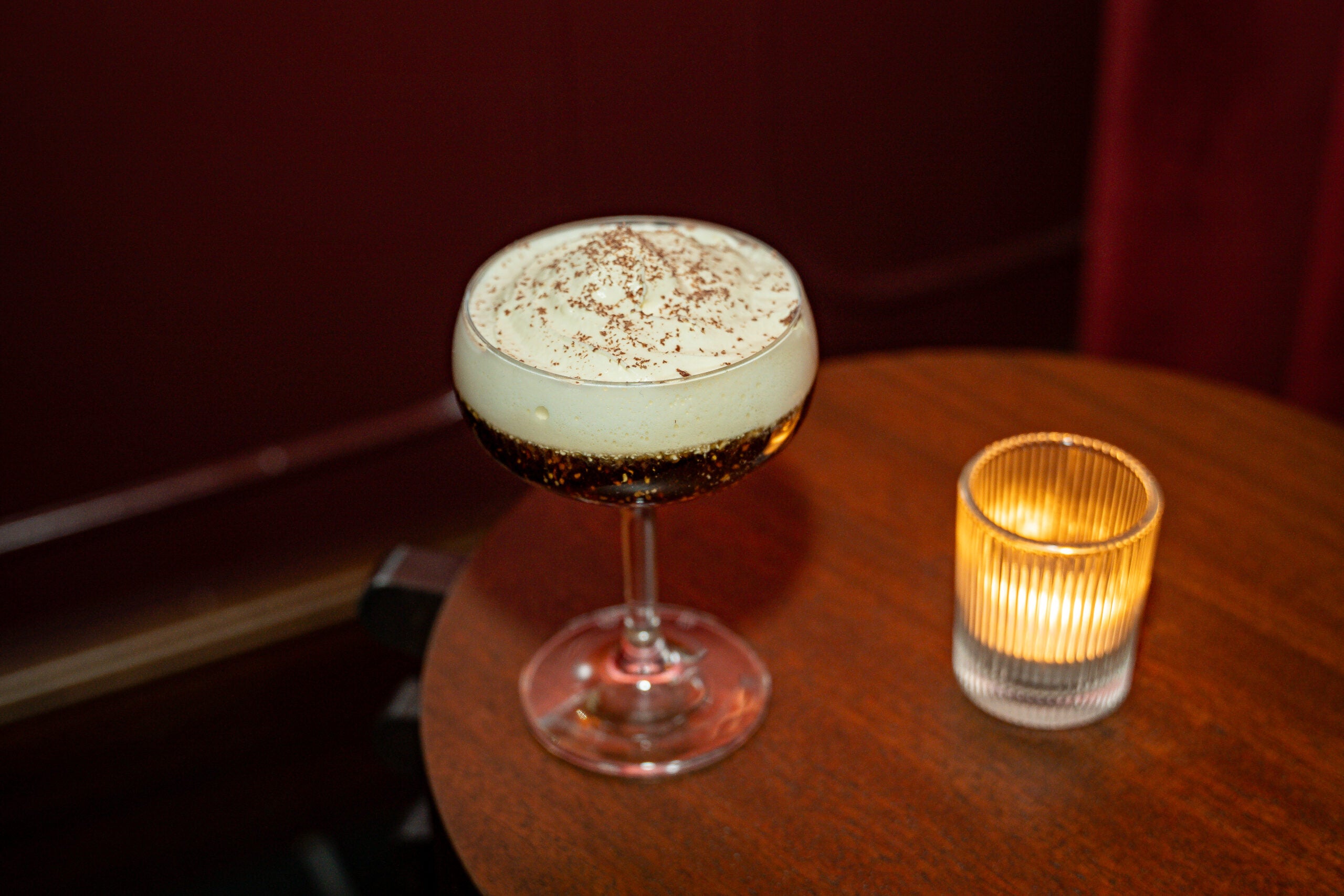
But the espresso martini came back, better than ever, slinging across bars once more in the 2010s, then getting ordered to the nth degree post-2020.
Like all food and drink pop up trends, (remember when you pretended to like the Negroni Sbagliato in 2022?), you’d think the espresso martini would have gone back into trendy drink retirement. But at Boston bars, that is not the case.
“It’s in the top three or four menu cocktails consistently in the course of a week, so Hall of Fame voting rights,” said Jackson Cannon, the bar director for Eastern Standard, Standard Italian, and Equal Measure.
All three restaurants serve their own version of an espresso martini. For example, Eastern Standard’s base is also rum, while the espresso martini at Equal Measure is topped with a vegan whipped cream. But one thing that’s consistent is that you’ll never find any “stupid f***ing” beans on Cannon’s espresso martinis.
Once one person orders an espresso martini and other diners see it, Benevides said, then other orders start to roll in.

The espresso martini didn’t get its start in Boston — a London bartender claims the invention of this concoction in the 1980s, reports The New York Times — but given how much the cocktail is ordered around here, it might as well be as gastronomically symbolic as the lobster roll and the clam chowder, taking the place of the baked beans that no one ever eats.
To be clear, the drink is still trendy elsewhere, too. But to some bartenders who spoke to Boston.com, it certainly feels like Bostonians have crossed over into obsessive territory. Semolina Kitchen bar manager Audrey Welch travels often with a group of friends, all women, all consumers of the espresso martini from time to time. But the coffee cocktail isn’t pushed as much at them at other city bars like they are in Boston.
Boston customers are even somewhat savvy and educated about placing their espresso martini orders. They’re both curious about what’s in it — espresso vs. cold brew concentrate, for example — and are also happy to try riffs on the drink, including the newly popular swap of vodka for Reposado tequila.
“It’s not just, ‘Can I have an espresso martini?’ It’s, ‘What kind of espresso do you use?’” said Eli Davis, bar manager at The Merchant. “People are a lot more involved in their espresso martinis, and it’s really every single day.”
Davis’ version, like many espresso martinis around Greater Boston, doesn’t use real espresso because having an espresso machine for some restaurants and bars isn’t worth it. Instead The Merchant team uses a cold brew concentrate along with vodka and a coffee liqueur that sits in a keg, is charged with nitrogen, and is hooked up to the bar’s draft system.
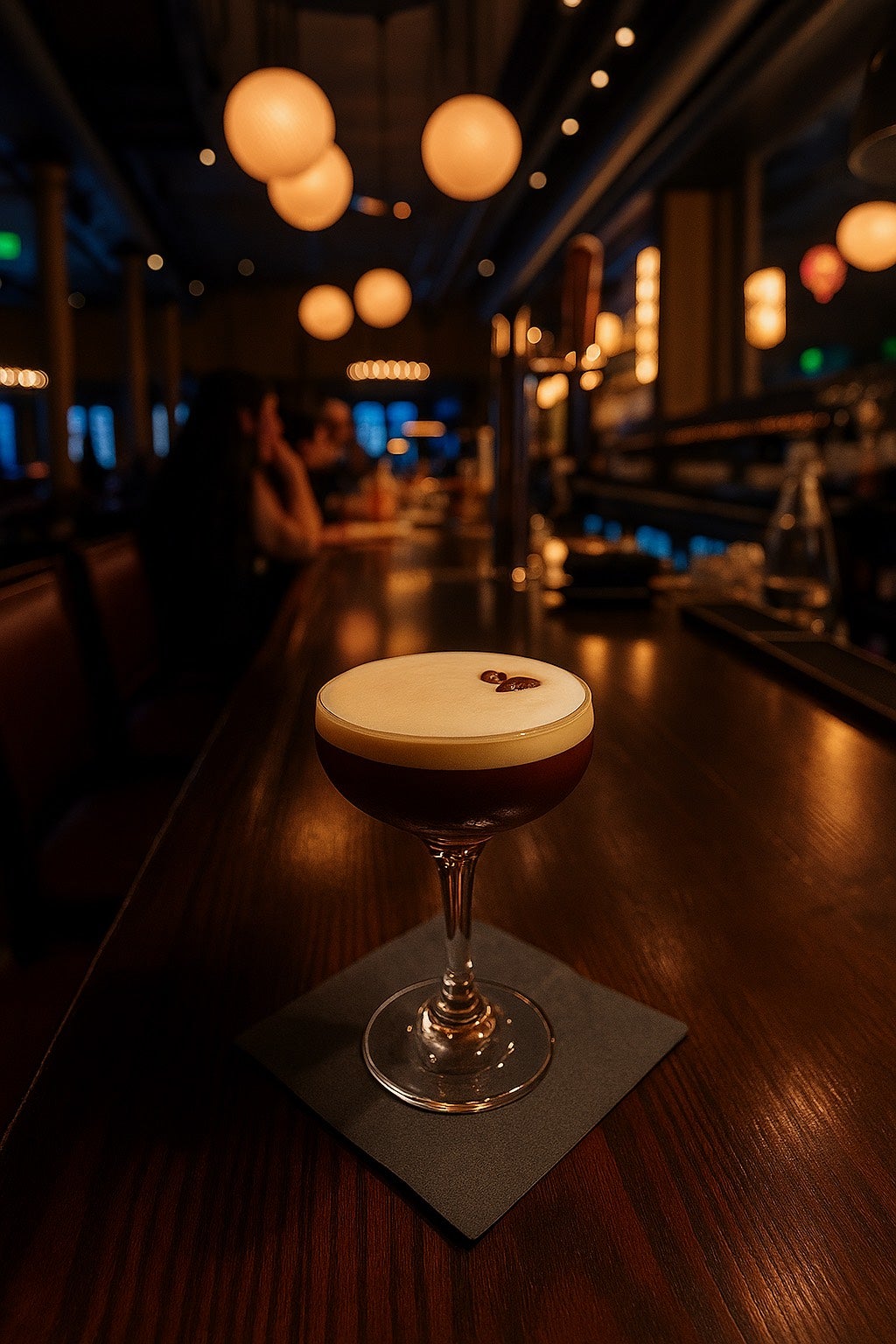
Bartenders said they feel obligated to have it on their menu. But the obligation isn’t necessarily negative.
“I’m obligated in the best possible sense. We at Semolina want to give people the best possible version of whatever dated ’90s cocktail, if that’s what people want,” said Welch, who said their espresso martini is tweaked by using real, organic vanilla beans and infusing it in vodka for two weeks. The base is then paired with Amaro, a coffee liqueur, and an espresso mix. “The way that their faces light up, that’s so rewarding.”
So what is it about this drink that makes Boston throw their money at it? A few bartenders offered their very scientific theories.
It’s the Dunkin’ effect, said Welch and Backbar’s bar director Sam Treadway. Even in a blustery winter, Bostonians can be seen carrying around an overly sweet and creamy iced Dunkin’ coffee.
In a way, an espresso martini is just an iced Dunks with vodka.
“That’s our palette here — [an iced Dunkin’] is something that we crave,” Welch said.
Cannon said espresso martinis are typically served dark, but in Boston a noticeable enough number of customers want it creamy and even sweeter with Baileys Irish Cream, maybe because Bostonians take their coffee sweeter than most.
Then there’s the population that makes up Boston’s bar scene, predominantly young adults who have outgrown their vodka Redbull order, but still need a drink that offers a pick-me-up during a night out.

The espresso martini is just a classy, adult version of the energy drink cocktail you had at college bars, Davis said.
And even though it’s not an Italian cocktail, it’s such a staple of Italian dining now, usually a cocktail seen on the dessert menu. Boston’s large number of Italian restaurants means it’s not too hard to find an espresso martini.
“When I think of an espresso martini, my brain immediately thinks of the North End,” Treadway said.
For all of these reasons, the espresso martini isn’t going away anytime soon, even if some bartenders would love to see other drinks take the spotlight for a bit, like Treadway at Backbar. That being said, he loves the espresso martini made at Backbar: a simple mix of a cold brew concentrate syrup, a vodka out of Rhode Island, and coffee liqueur.
“Personally I wouldn’t mind if this trend slowed down a little bit, but it’s a fine drink,” Treadway said. “It makes people happy.”
But don’t expect it to always be its classic version. Bartenders across the city are playing with these drinks, switching out vodka for mezcal, adding in bitters, and topping the drink off with something other than espresso beans.
Davis said customers are better off for it. If you’re going to make an espresso martini, make it the best it can possibly be.
“If we’re going to make these cocktails, let’s get creative,” Davis said. “Let’s be bartenders.”

Stay up to date on the latest food and drink news from Boston.com.



To comment, please create a screen name in your profile
To comment, please verify your email address
Conversation
This discussion has ended. Please join elsewhere on Boston.com