


Sign up for The Dish
Stay up to date on the latest food and drink news from Boston.com.
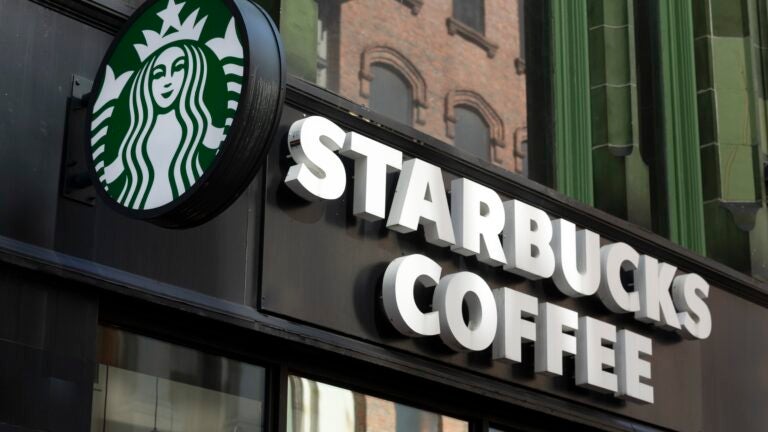
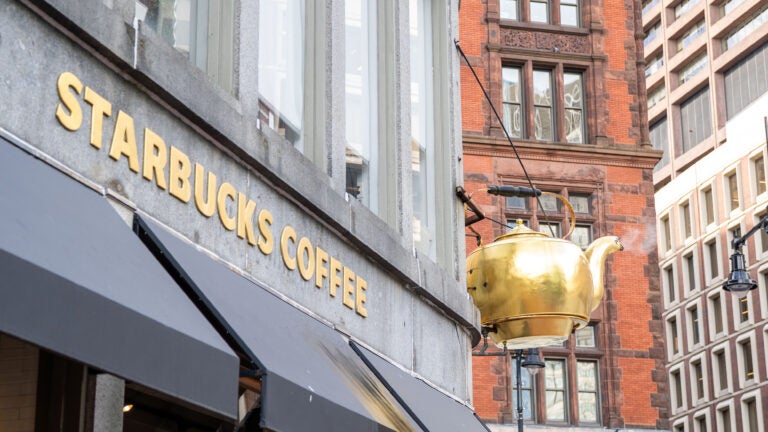
Starbucks’ closures in some of Boston’s busiest coffee hubs sent shockwaves in the city’s cafe scene, with industry leaders questioning what this means for the future of Boston’s buzzing coffee scene.
Questions like: Where will the many Starbucks customers who no longer have their spot for their daily caffeine fix wind up next? And who would fill the prime real estate left empty by Starbucks — local coffee shops or larger java chains?
“Who knows where things are going?” said George Howell, who started The Coffee Connection in the 1970s. “The entire specialty coffee industry is in turmoil right now.”
Howell, a pioneer in the specialty coffee space who now runs George Howell Coffee, sold The Coffee Connection to Starbucks in the 1990s, giving the java giant the ability to enter into the Boston market.
What’s happened in that time since the first Starbucks opened in Greater Boston 31 years ago is that the coffee scene has exploded with independent shops and other medium-to-large chains.
Take a look at Davis Square, for example. Former Starbucks customers in the Somerville neighborhood will have an easy enough time purchasing their next cup of coffee at the five or more specialty coffee shops and cafes that saturate the square, such as Nine Bar Espresso and Diesel Cafe.
“There is a coffee shop on every corner, and that wasn’t the case 25 years ago when we started operating,” said Jennifer Park, owner of Diesel Cafe located across the street from the former Starbucks.
Park said she’s already seen some unfamiliar faces come in for a cup of coffee in the week since the Davis Square Starbucks shuttered. In this tumultuous market, she’s happy to take in more customers.
But some coffee shop owners don’t expect a big boom in business because the market is too saturated. It’s one of the reasons Starbucks has struggled in the last few years as it competes with smaller specialty shops and chains like Blue Bottle Coffee and Blank Street.
Max Stein, who owns the cafe and wine bar Tilde and has eight years of experience working with coffee, said the cafes Boston has today are really a new concept. In many cases, those cafes followed Starbucks’ definition of what a cafe should be, back when Starbucks worked at a slower pace and had a simpler, more sophisticated menu.
“It’s a company that had a vision, executed it, and nationalized it,” Stein said. “Now it’s being taken over by a new wave of smaller cafes or cafe chains that are taking that style and advancing it.”
Add in mobile apps, drive-throughs, and a pandemic, all factors that would erode away the cafe culture Starbucks had built.
When Brian Niccol took over as CEO of Starbucks a year ago, he began advocating for the stores’ return to their roots.
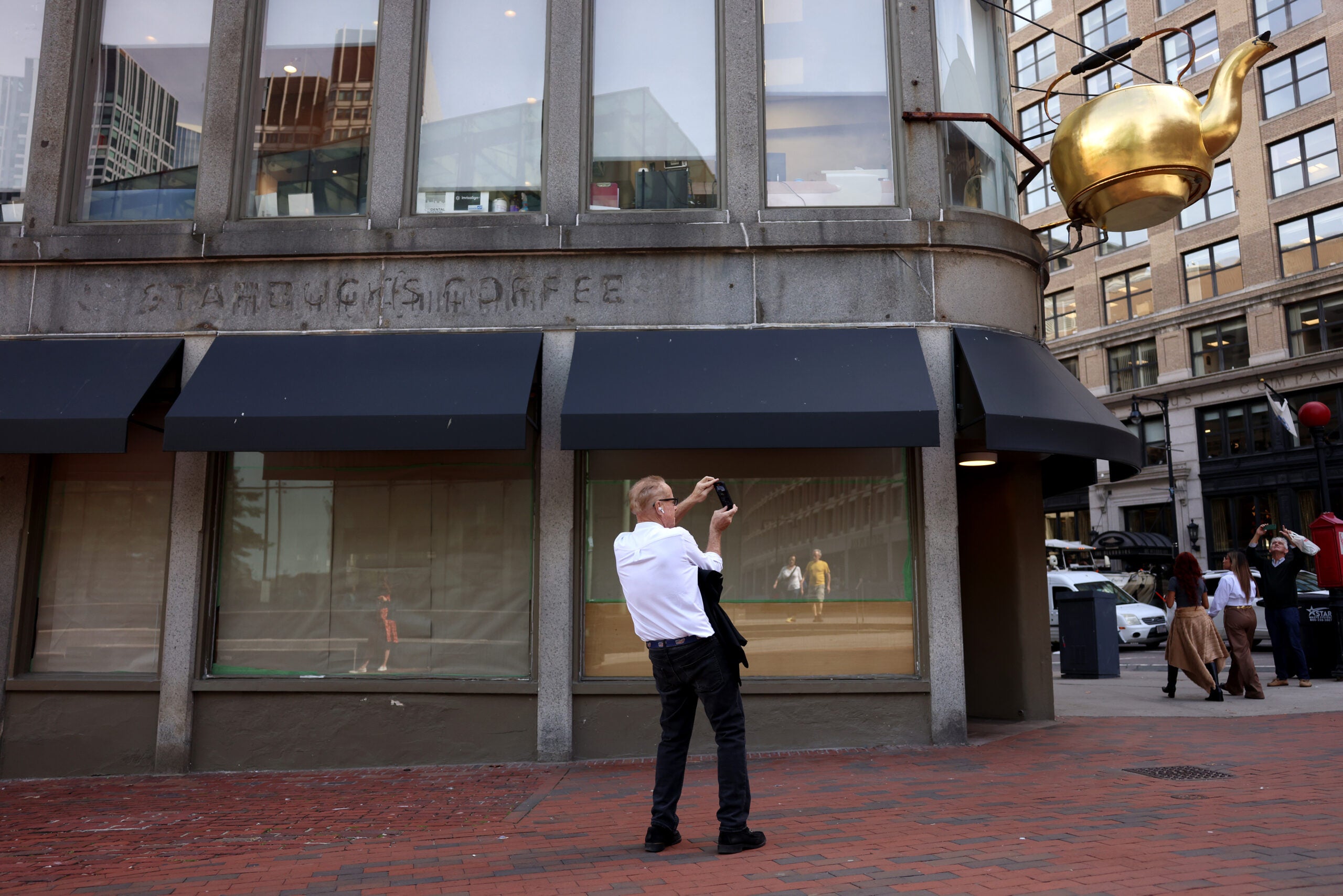
The whiplash, Stein says, makes it look like Starbucks is having an “identity crisis.”
Factors beyond the industry’s control are also impacting all coffee shops, small and large. Matters like sky-high coffee prices, pandemic-influenced changes in consumers, and President Donald Trump’s unpredictable tariffs have hurt Starbucks just as much as they have impeded business at other cafes.
As margins are becoming thinner, only those with a strong financial backing might be able to expand in the coffee shop market.
Joe Wager, managing director of commercial real estate agency Boston Realty Advisors, and Whitney Gallivan, managing director and partner, said they don’t expect these stores to remain vacant.
With strong retail and fierce competition for space, the two say it won’t be long before new tenants fill the spaces. However, they caution that due to the high cost of rents, which have been steadily rising for years, small local coffee shops will be out of the equation.
“I think the medium (coffee shops) are going to pony up to try to make a pretty good offer to take them over and gain market control,” said Wager. “I think we’re also going to start to see some out-of-town coffee operators that are going to hope to take down multiple of them.”
Gallivan said it might not only be coffee shops in the running, but other food and retail establishments as well.
“There’s a lot of coffee (shop owners) salivating, but I think it’s back to prime real estate, and it’s a hot market, and a lot of tenants will want these spaces,” said Gallivan.
Anil Mezini, owner of Jaho Coffee Roaster & Wine Bar has received calls from several brokers about the former Starbucks spaces. Mezini agreed that whoever takes over these spaces will most likely not be owners of a small business.
“The couple of [stores] I’ve inquired more about, the rent is higher than anything we’ve done before,” said Mezini, whose cafes are in downtown, Back Bay, and the South End.
It may not matter who takes over these spaces next. For many cafe owners, Starbucks’ latest move still has them cautioning about what is coming next, as their worries about competing with them aren’t over yet.
As Park noted, the national chain could come back and reopen stores at any time.
“I’m holding my breath to see what’s next,” she said.
Stay up to date on the latest food and drink news from Boston.com.




To comment, please create a screen name in your profile
To comment, please verify your email address
Conversation
This discussion has ended. Please join elsewhere on Boston.com