
Sign up for The Dish
Stay up to date on the latest food and drink news from Boston.com.
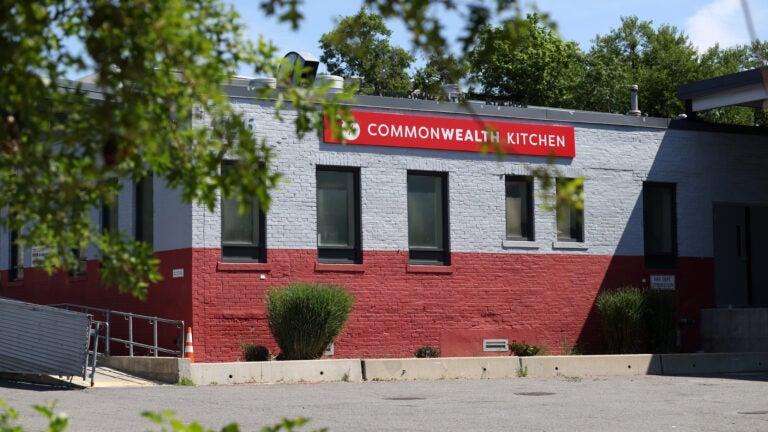
The leaders behind CommonWealth Kitchen, an acclaimed nonprofit that has helped food businesses get their start, have been accused of fostering a toxic workplace after dozens of current and former workers and members came forward to The Boston Globe.
Published Wednesday, the article detailed years of internal strife between food vendors, employees, board members, and its longtime executive director Jen Faigel.
The food incubator, located at 196 Quincy St. in Dorchester, has been in operation since 2009 under a different name at the time, CropCircle Kitchen, a business that always served as a shared kitchen for entrepreneurs but transformed into a mission-driven nonprofit once Faigel took over in 2014. It raised money and bagged donations from big foundations by selling itself as a resource and training ground for minority-owned food businesses, such as Gourmet Kreyol and Jamaica Mi Hungry.
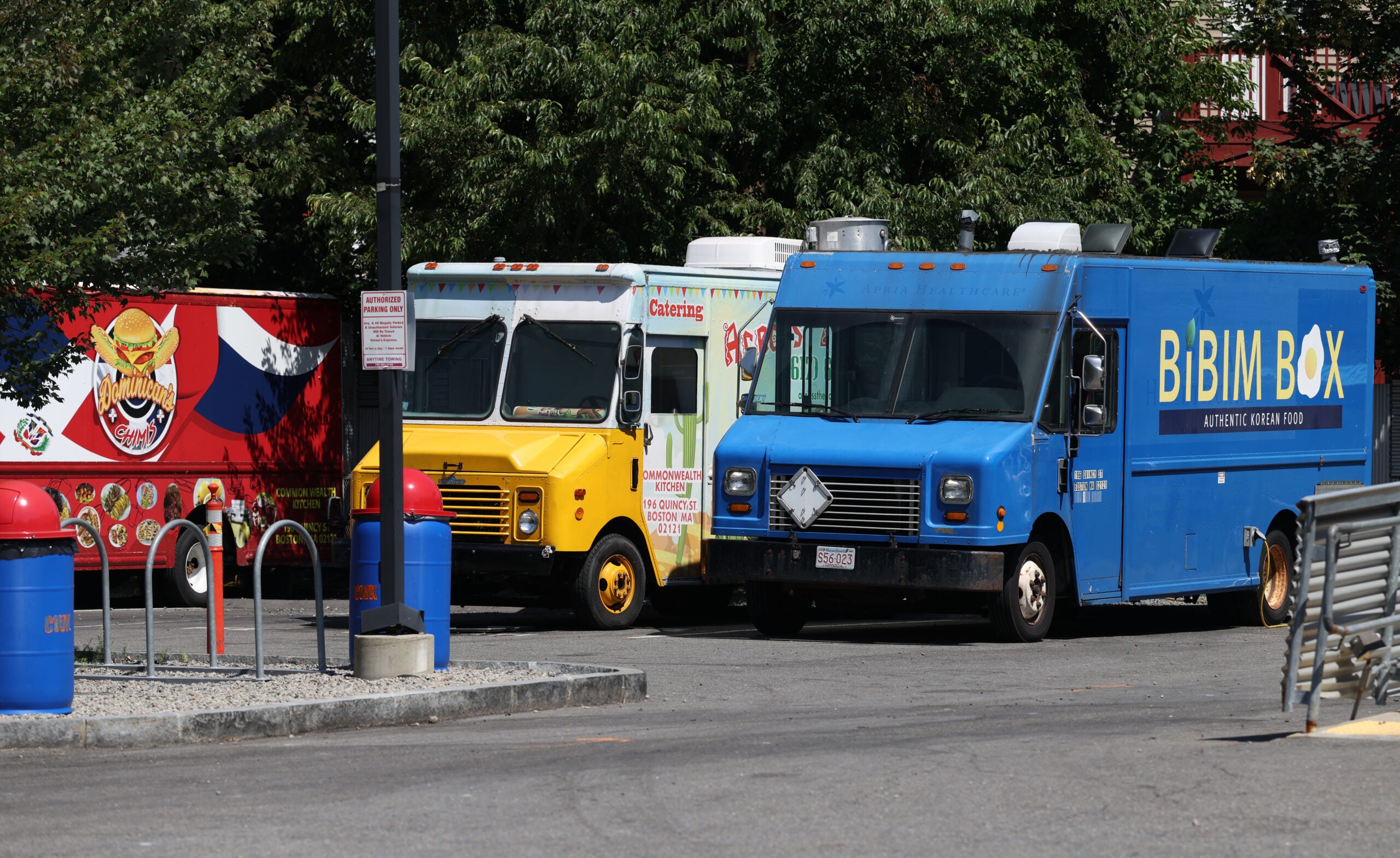
But some of its members, including Gourmet Kreyol, accused CommonWealth Kitchen of not offering its members — who have to pay CWK rent to use its facilities and services — the support and training it had promised these business owners.
Nathalie Lecorps, owner of Gourmet Kreyol, told the Globe she hadn’t received training in years, was overcharged for kitchen rental time, and felt tokenized by the nonprofit that used members’ stories for fundraising efforts — including Gourmet Kreyol’s story about feeding Haitian refugees after Lecorps secured a contract with CWK’s help to do so. The business owner also accused CWK of trying to poach one of her employees and competing against Lecorps for that same contract.
Lecorps sent CWK a cease-and-desist letter to stop using Gourmet Kreyol’s name in the press, and she eventually left the incubator in December 2024.
An anonymous email in May sent across the organization and addressed to Faigel made similar complaints to what other members had experienced.
“The people you built CWK for are being tokenized, under-supported, and quietly pushed to the margins while the organization profits off their stories,” read the email. “They’re turned into poster children for progress, paraded like trophies of impact, while behind the scenes, many of them are unsupported, underdeveloped, or worse discarded.”
CWK has also seen high turnover among its staff — those who make CWK products or work with grants and development — and vacancies among employees who were meant to help the entrepreneurial members. Its board makeup and mission has also frequently changed over the years, creating confusion and burnout among an overwhelmed staff.
The Globe also spoke to staff who accused Faigel of fostering a toxic workplace culture. Faigel allegedly made frequent mean and insensitive comments about her employees and pitted staff against each other.
Misha Thomas, a former employee, said she dealt with “snide remarks, condescending statements, and public shaming” and overheard Faigel tell a colleague that Thomas was “playing the race card.” Faigel denied ever having that conversation. Thomas eventually left CWK.
Between 2023 and 2024, one employee told the Globe that around two dozen employees had left CWK or were fired from their roles.
Despite the many people who spoke to the Globe that had complaints against the nonprofit, some members told the paper that they still felt supported by the organization.
And Faigel admitted that CWK has fallen on hard times post-pandemic. It’s become more challenging to run food businesses and raise funds for nonprofits centered around racial equity.
She’s since held town halls for members to discuss their concerns and rebuilt a board that lost most of its people four years ago.
A statement sent to Boston.com on Wednesday from the board of directors said as much, addressing the challenges faced for all nonprofits and how the organization has naturally had to pivot in response. The emailed statement also shared its support for Faigel in light of the Globe article.
“Like other fast-growing organizations navigating these unpredictable times, CWK has faced challenges, and worked hard to manage through them with integrity and commitment to our belief in the power of inclusive entrepreneurship and to continuing to provide the resources for community businesses to start, grow and succeed,” the statement read. “We appreciate and support Jen and the leadership team and their efforts and accomplishments. Importantly, the Board will ensure that stakeholder concerns raised are addressed and that the right actions are taken to strengthen our culture and our operations so CWK can continue to fulfill its important mission.”

Stay up to date on the latest food and drink news from Boston.com.





To comment, please create a screen name in your profile
To comment, please verify your email address
Conversation
This discussion has ended. Please join elsewhere on Boston.com