
Sign up for The Dish
Stay up to date on the latest food and drink news from Boston.com.
A slate of restaurants were approved the highly-coveted zip code-restricted liquor licenses that the city has been giving out ever since monumental legislation passed to add to Boston’s restricted liquor license pool.
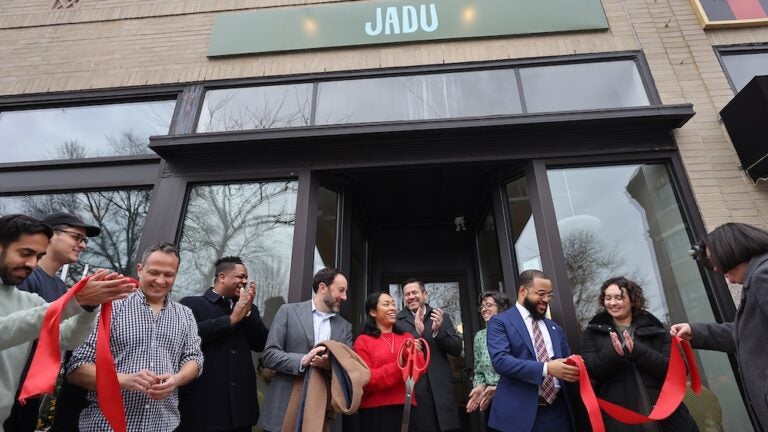
Thursday marked the second batch of zip code-restricted licenses — both all-liquor and beer and wine only — handed out by the city’s Licensing Board for 21 new and existing restaurant concepts like a cafe in Roxbury, ice cream shop in Roslindale, and Dominican restaurant in Jamaica Plain.
The recently approved liquor licenses are just a few of the 225 additional licenses granted by state lawmakers last year. Of the 225, 195 are supposed to go toward businesses in underserved communities over the next three years.
Signed by Gov. Maura Healey last September, the legislation also guarantees 15 all-alcohol licenses for community spaces and three all-alcohol licenses specifically for Oak Square in Brighton.
What also makes these additional “restricted” licenses different from the majority of the 1,000 or so “unrestricted” licenses already in Boston is that they must be returned to the City of Boston when no longer in use, and therefore cannot be sold on the private market.
The last remaining 12 of the 225 new licenses are unrestricted, meaning restaurant or building owners could sell them for up to $600,000 — the going rate for an all-alcohol license these days — when it’s no longer in restaurant use.
Given that the state also restricts the number of licenses available in Boston, buying a liquor license is often the only way restaurant owners can obtain one.
The rule has set up the current scene of restaurants today: There are 60 to 90 license-holding restaurants in Back Bay and Seaport, mostly snatched up by restaurant groups that can afford them. And in Boston’s predominantly low-income, BIPOC communities, like Mattapan and Roxbury, there are only a handful of license-holding eateries.
Supporters of additional licenses, which include Mayor Michelle Wu, have argued that more licenses would only help Boston’s small business economy since alcohol is a big part of restaurant sales.
The Licensing Board approached the process of handing out the licenses differently than in 2014, the last time legislation was passed to add more liquor licenses in Boston. These licenses were not doled out on a first-come, first-serve basis, but instead the board weighed “public need.”
Back in December, board chairperson Kathleen Joyce explained that “public need” is already a factor they use when approving liquor licenses. The board takes into consideration the number of liquor licenses in a neighborhood where the applicant is interested, comparing the concept to other restaurants in the area, takeout and delivery impacts to the neighborhood, public support of the restaurant, and the personal and professional reputation of the applicant.
The following restaurants were businesses that submitted applications before the second deadline, May 23. It isn’t immediately clear if the Licensing Board has set the next batch deadline.

Stay up to date on the latest food and drink news from Boston.com.



To comment, please create a screen name in your profile
To comment, please verify your email address
Conversation
This discussion has ended. Please join elsewhere on Boston.com