
Sign up for The Dish
Stay up to date on the latest food and drink news from Boston.com.
Nothing, it seems, is safe from inflation, even your friendly neighborhood pizzeria in Boston.
Following a honeymoon period of sorts during the pandemic, when being in the takeout business was the only way restaurants could make money, pizzeria owners now contend with the rising and fluctuating cost of goods.
“The following years were good until 2024,” Daniel Roughan, owner of Source, said. He’s even cautious to use the word good; even though takeout was the savior of restaurants during COVID-19, pizzerias had to restrict inside business, take precautions, change hours, and deal with staffing shortages just like everyone else in the industry.
Last year, Roughan said it wasn’t just that costs had gone up, but it’s when consumers became concerned about spending.
It’s the same for pizzerias as it is at any other restaurant and business. The cost of labor and rent have risen dramatically.
Any restaurant that imports goods will likely see costs rise more due to President Trump’s tariffs. Then there’s bird flu, which has raised the cost of goods since its outbreak in 2022, impacting poultry and eggs that restaurants might use.
The ingredients that make your delicious pepperoni pie — cheese, sauce, and flour — have doubled, tripled, or are at all time-highs, depending on the vendors these pizzerias use. The price of goods also fluctuates week to week.
At Pinocchio’s Pizza & Subs, owner Adam DiCenso said his two most-used ingredients, flour and cheese, are the most expensive they’ve ever been. A 50-pound bag of flour costs $8 more than in 2020, and mozzarella by the pound is now $1.60 more expensive. Paper products, like plates and pizza boxes, are “through the roof.”
“The costs are just getting out of hand,” DiCenso said.
A case of canned tomatoes doubled for Picco owner Tony Lawrence. Diamond Kosher Salt, the chef-preferred cooking salt, shot up from $36 to $88, and went from a 36-pound case to 27 pounds.
So the inevitable has happened. The cost of pizza had to come up. According to Slice, an online ordering platform used by independent pizzerias (many pizza shops in Greater Boston, like Bianchi’s and Ernesto’s Pizza, use Slice), the average price of a cheese pizza went up from $17.81 in 2023 to $18.33 in 2024; Massachusetts saw a 4.4% increase in a cheese pizza.
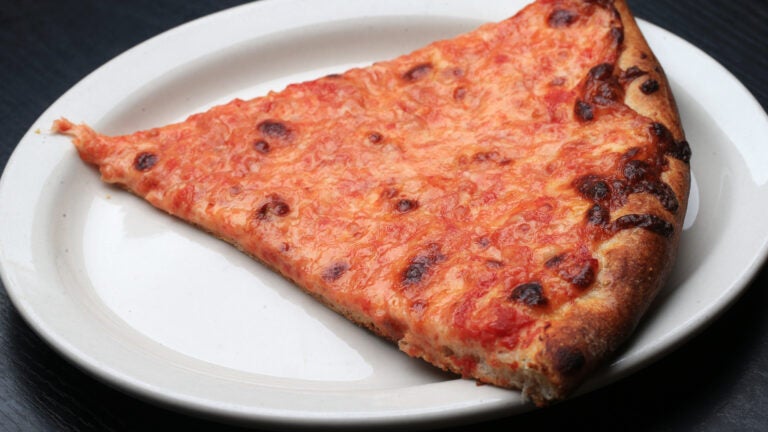
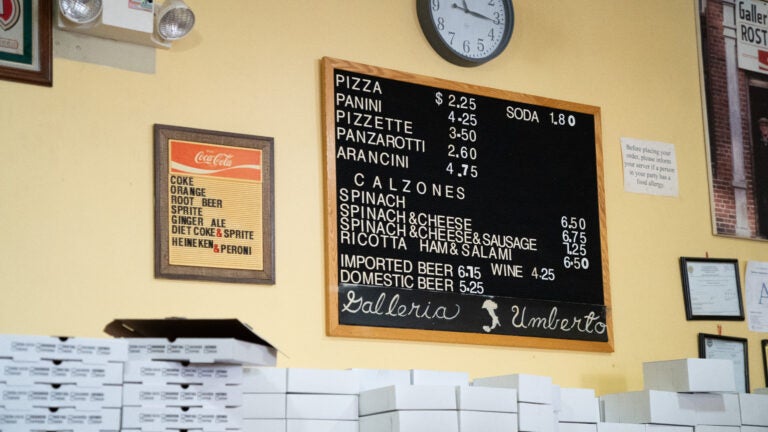
Closer to the beginning of the pandemic, Galleria Umberto’s raised their Sicilian slice prices from $2 to $2.25. Lawrence said Picco reluctantly added a 3% kitchen appreciation fee to all bills to cover the increase in labor costs.
Roughan at Source said he probably should charge $40 a pizza, given the locally-sourced ingredients his team uses.
“You can only charge so much for a pizza before people will just stop buying it,” Roughan said.
It’s true that pizza is seen as a cheaper food, usually meant to feed a family. So it’s not surprising that a $40 pizza would stir a community and make news, just as it did in both Denver and Austin recently. “Don’t get us wrong, these are good pizzas — they just come at not-so-casual prices,” wrote the Infatuation in Austin.

According to food publication the Takeout, the country is seeing more pizzas cost around $25, sometimes more. But that may also be because of the growth of higher-end pizzerias.
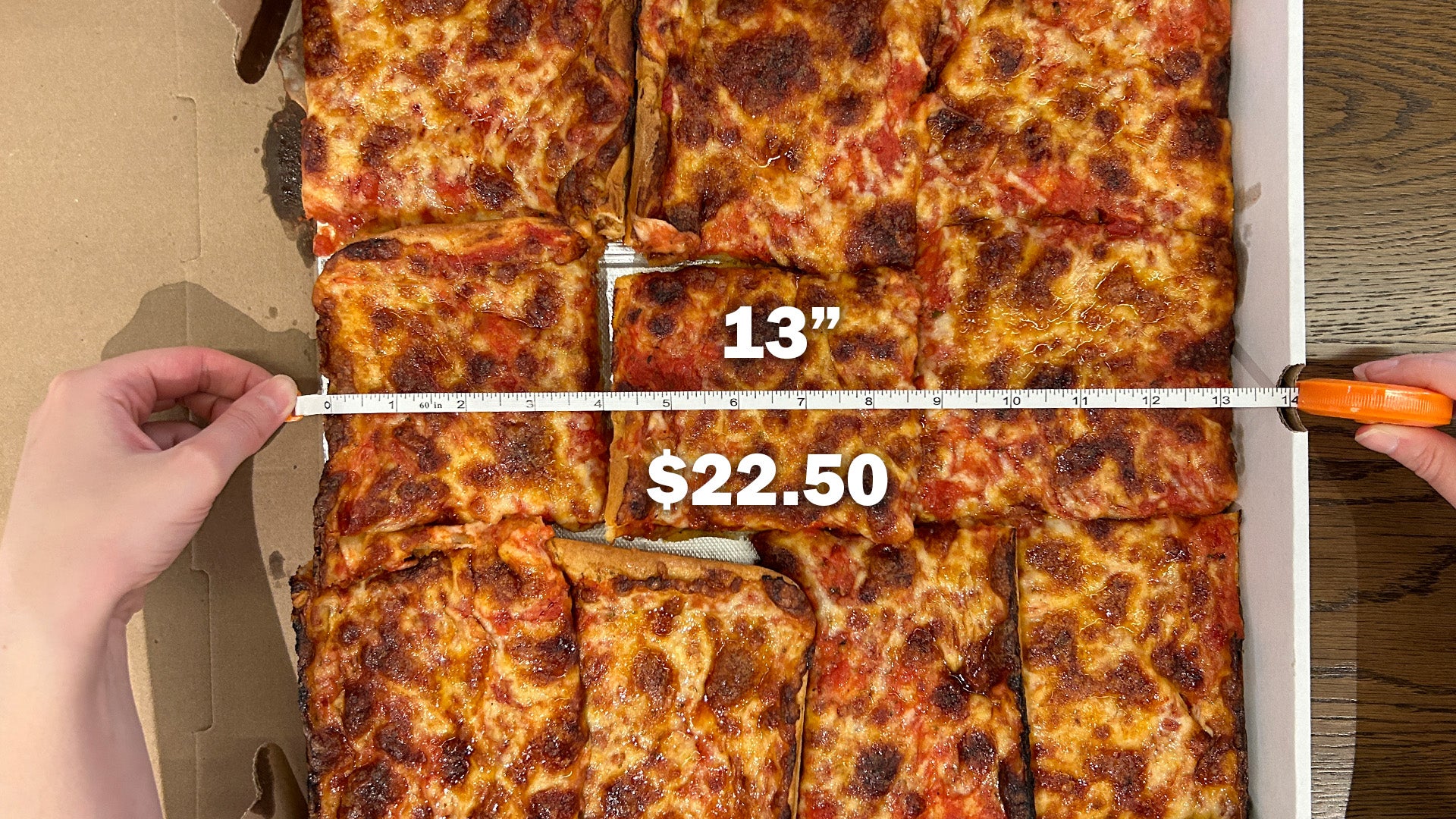
There are seemingly higher-quality artisan pies that are more expensive in Greater Boston, around $25 at places like Area Four and Posto, for example. It seems, for now, Boston has been spared the $40 pizza, unless you’re getting a mammoth tray of Sicilian pizza from Umberto’s or Leone’s.
But there’s still plenty of pizza around Boston that cost below-average prices, like at Ziggy’s in Brighton, where a large cheese pizza costs $15.50.
A bright spot for many pizzeria owners, whether they make simple slices or artisan pies: The customers still show up.
“A good pizza is $20 now at a lot of places, and that’s a challenge,” said Scott Riebling, Stoked Pizza Company owner. “But then the good side of it is people’s awareness of different styles of pizza.”
Picco is opening up a second spot in Marlborough. Stoked just opened its third brick-and-mortar in Cohasset. And though business is always slower in winter for most restaurants, there are still lines out the door at places like Regina Pizzeria or a wait for a table at Picco’s South End spot.
Pizza may be more expensive, but it’s still one of the best deals in town.
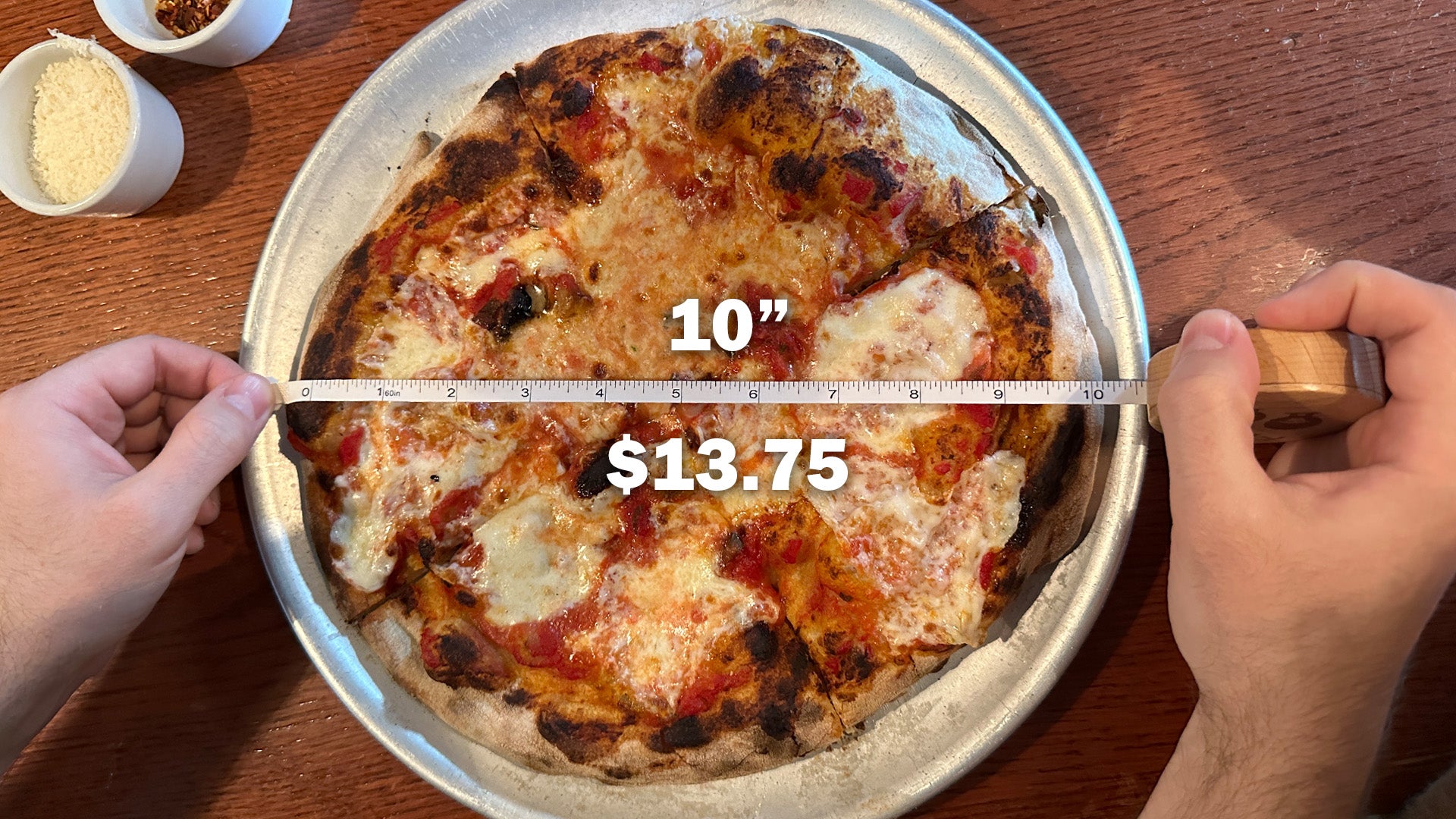
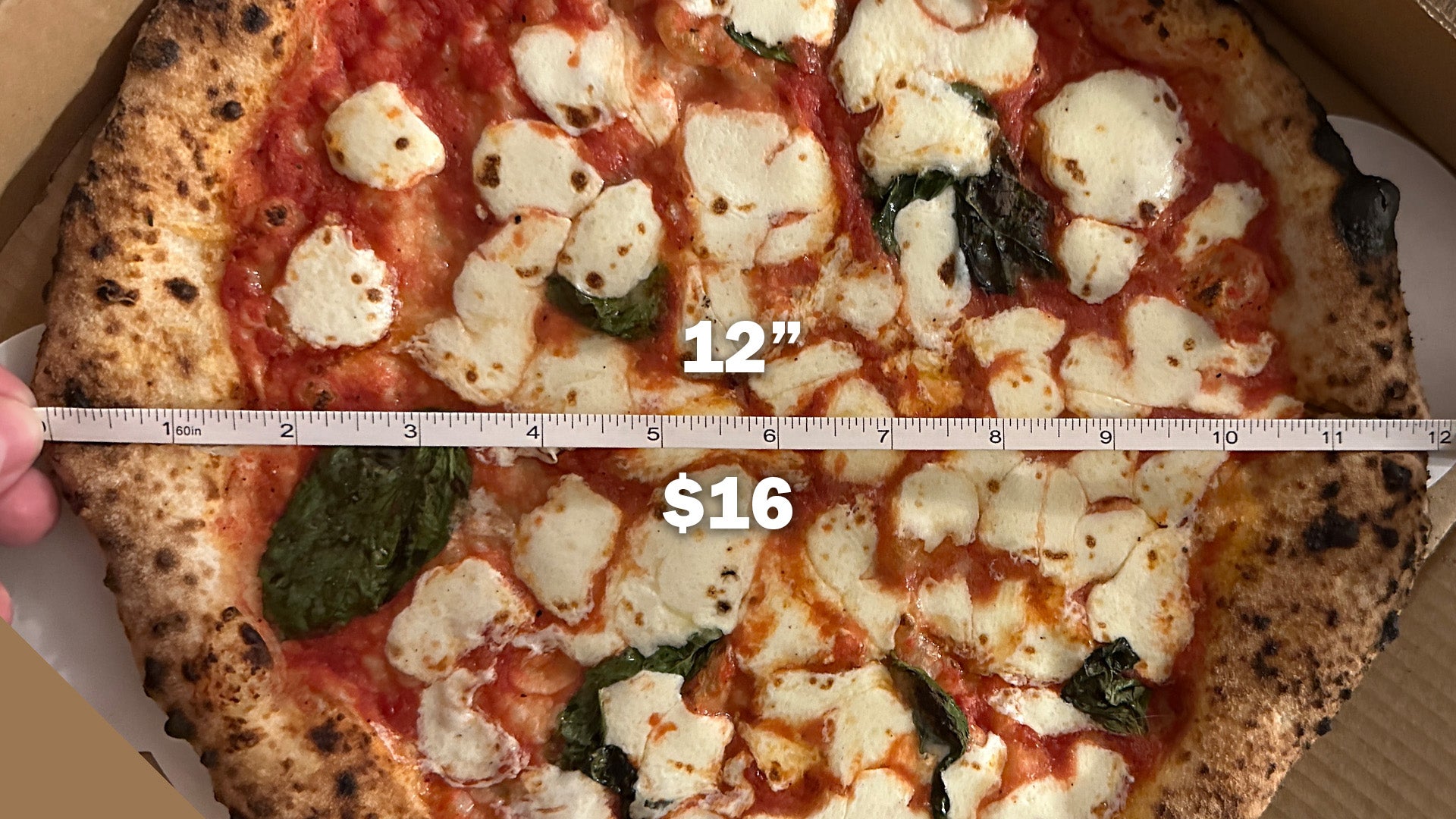
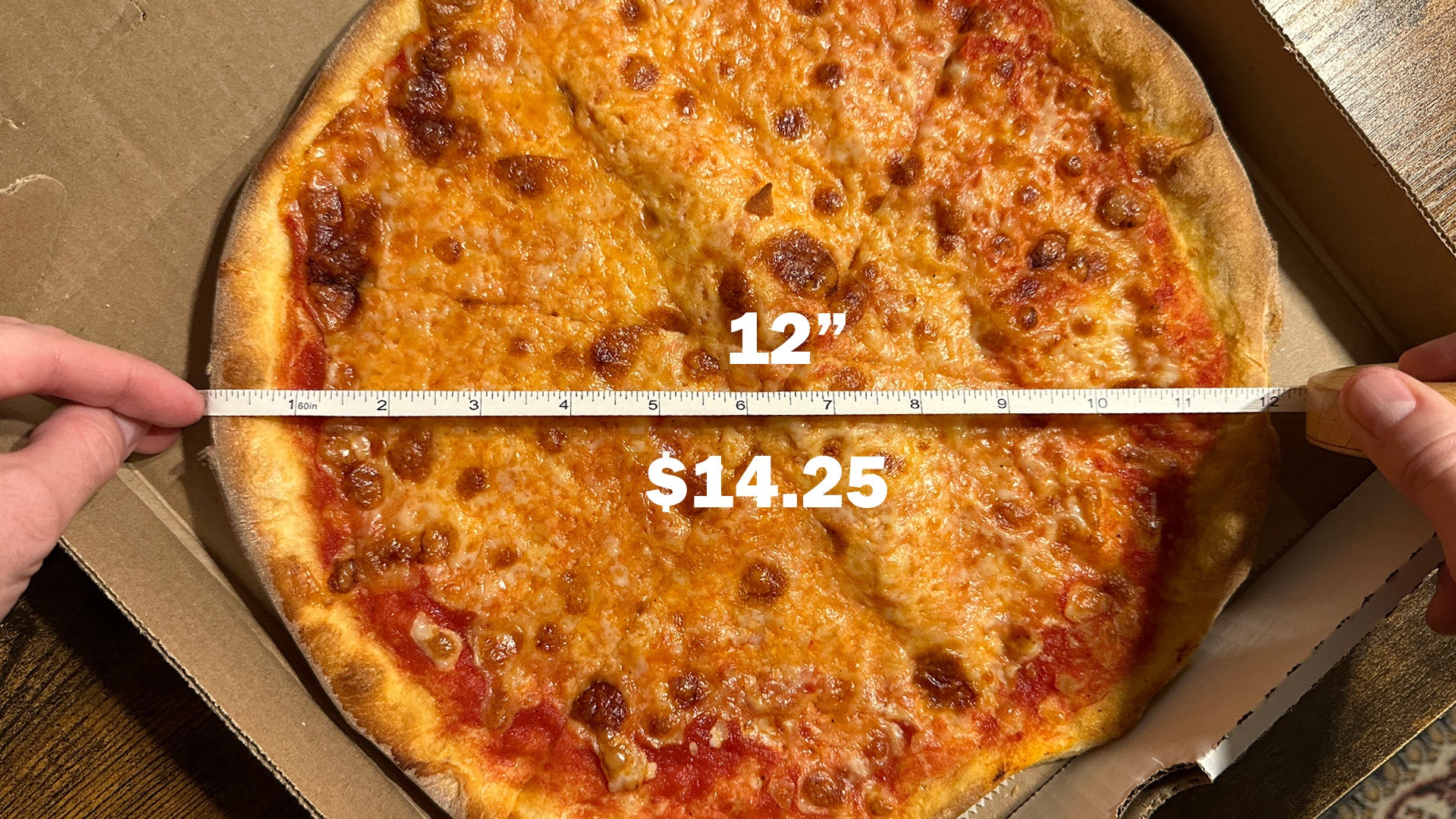
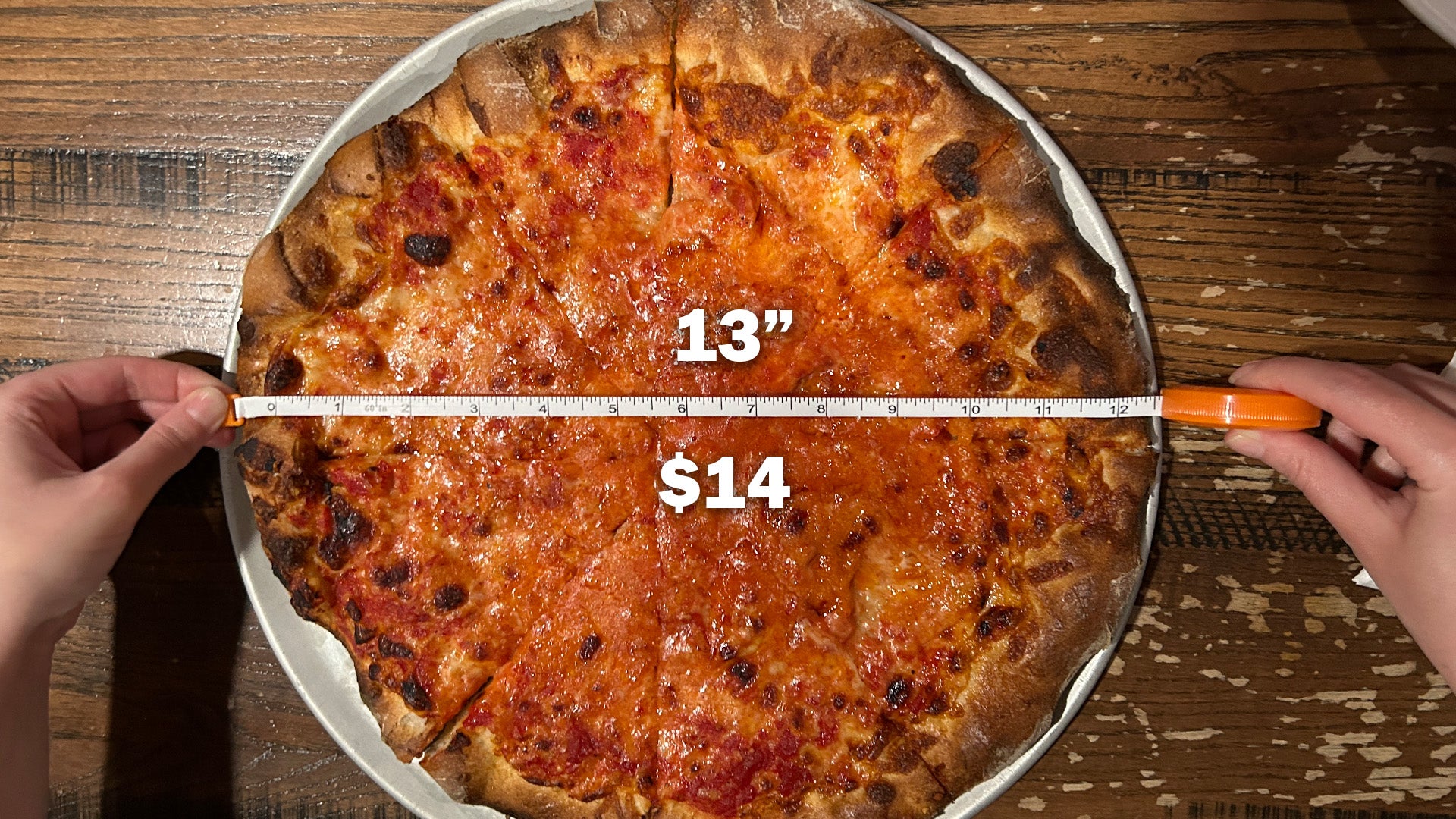
The pizzas featured below — all basic cheese or Margherita pizzas include Picco, Ciao! Pizza and Pasta, Pinocchio’s Pizza & Subs, Santarpio’s Pizza, and Galleria Umberto. The images are meant to show the range in price and size in Greater Boston.
Pizzerias did not share the cost to make the pizza by the time of publication.

Stay up to date on the latest food and drink news from Boston.com.




To comment, please create a screen name in your profile
To comment, please verify your email address
Conversation
This discussion has ended. Please join elsewhere on Boston.com