
Sign up for The Dish
Stay up to date on the latest food and drink news from Boston.com.
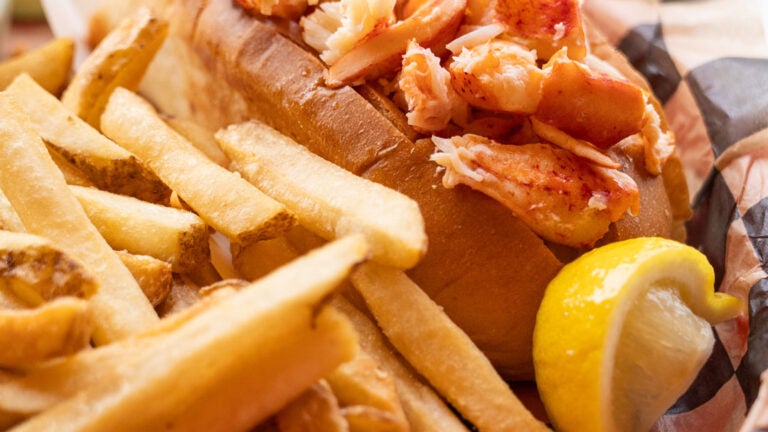
If you ever need any indication that it’s summer in Cape Cod, besides using a calendar or checking the weather, go to an old clam shack.
You’ll probably find a line jutting out the door, the smell of ocean and fried seafood in the air. It may be a roadside stop at the start of a vacation, or a beach-front destination. Hopefully the weather’s nice so you can steal a seat outside.
“It’s something that reminds them of fun,” said Scott Eurenius, who owns the Kream N’ Kone in Chatham. “They come to the Cape, they go to the beach, they have fried seafood. When they go back home, they’re back to their regular diets.”
Families have been making the summer trek to the Cape and its old-school clam shacks for as long as tourism has existed on the peninsula.
Timothy Lewis, whose family owns Seafood Sam’s in Falmouth and Sandwich, said his grandfather used to describe the Cape as a “jungle,” with few residents and development, and certainly not a place where millions of visitors went.

Historians point to a few different areas when discussing the tourism boom of the Cape. First came the bridges that connected the peninsula to the mainland. Then came the explosion of automobiles as a way to get around, as opposed to boats and trains. Post-World War II, the country also saw a booming middle class who could suddenly afford to vacation with family.
“Things were a lot slower — not even close to what it is today,” said Nate Nickerson, who opened Arnold’s Lobster & Clam Bar in 1977.
Along with restaurants popping up in prime locations along the water or in the center of town, motorists took advantage of the roadside eatery. Heading up toward Provincetown on Route 6, Arnold’s has become a roadside landmark for those who wanted to break up their trip with a lobster meal or some ice cream.
Cobies, located on the main thoroughfare Route 6A, is one such example. The clam shack opened in 1948 by Coburn “Cobie” Emery and his wife, Cecilia, and not much has changed since the Slavin family took it over.
“Cobies is a symbolic place,” Rob Slavin said. “People told us this when my dad and I bought the place. It represents the coming of summer.”
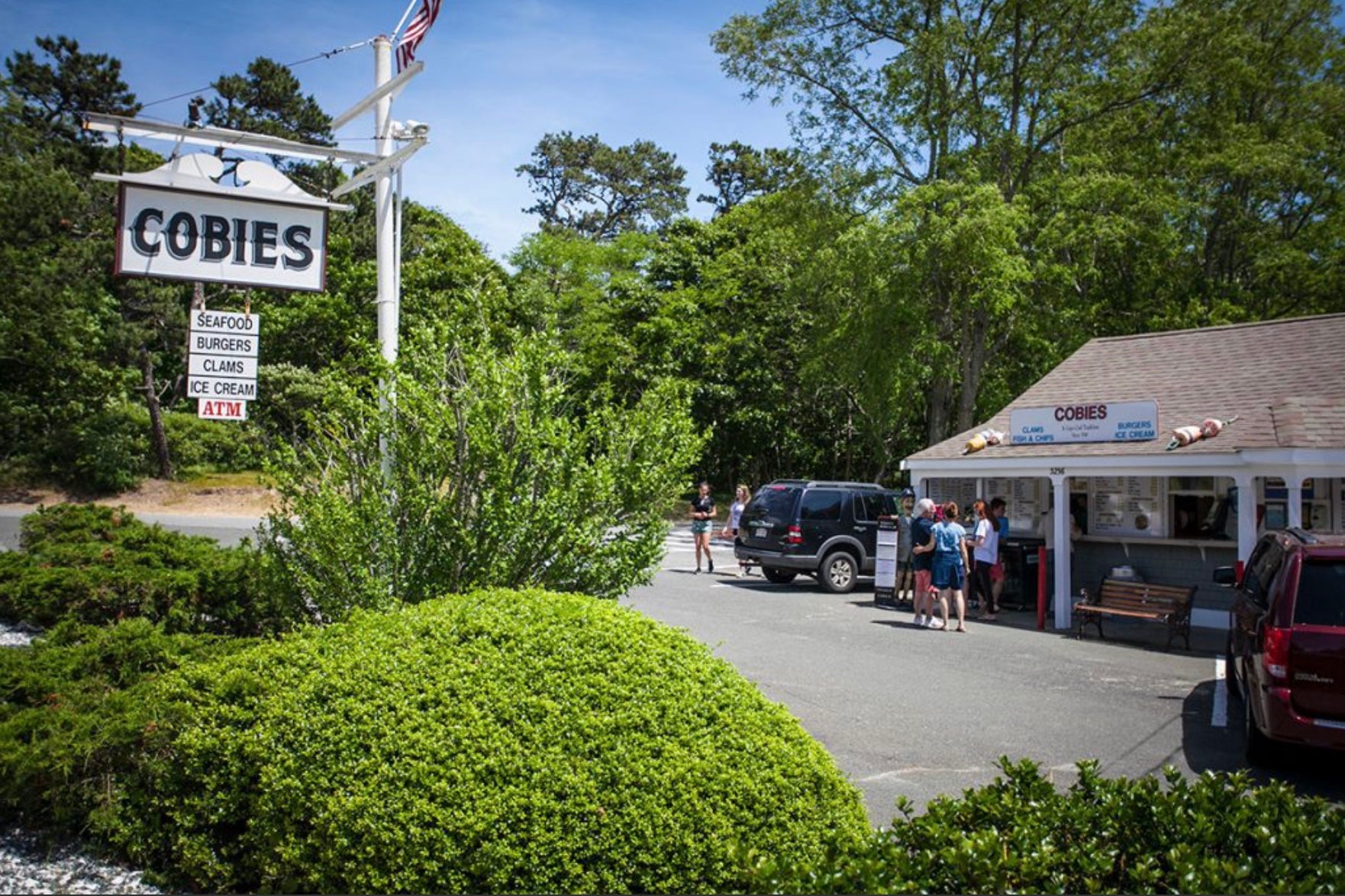
When one thinks of a “clam shack,” a structure similar to Cobies probably comes to mind: an unpretentious wooden building with an outside takeout window. Seating is outside, made up of picnic tables. It’s also seasonally run, usually from spring to fall.
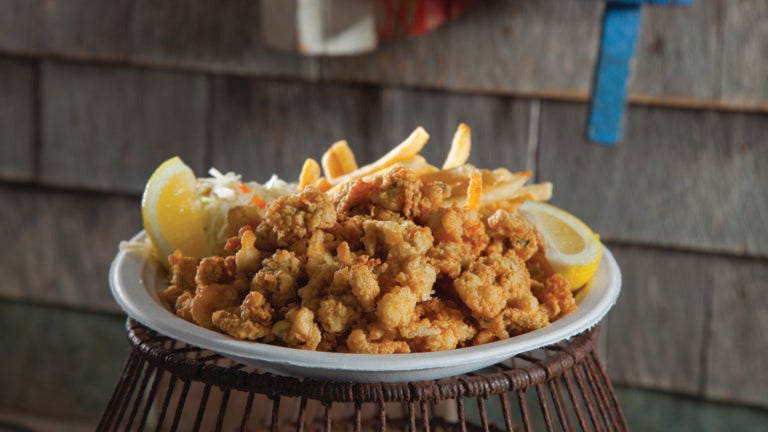
The menu is large and yet simple. Of course it includes fried clams and other fried seafood, the top sellers at Cobies. But people also come to Cobies for its ice cream and hamburgers.
“The people that come here like that it hasn’t changed much,” Slavin said.
So many existing clam shacks have had to change their menus or appearances to keep up with the times. Seafood Sam’s started out in an old laundromat in Falmouth, where its owner Sam Vecchione shucked and fried clams before selling them to diners on the go. Now Seafood Sam’s has three locations — owned by different people — that look and feel more like casual restaurants, though Lewis said he still calls it a “general clam shack.”
That’s also the case at the Wee Packet, which first opened in 1949 and closed temporarily in the early 2000s. Its current owners, David and Megan Shortt, described it as a “sit-down restaurant/clam shack.”
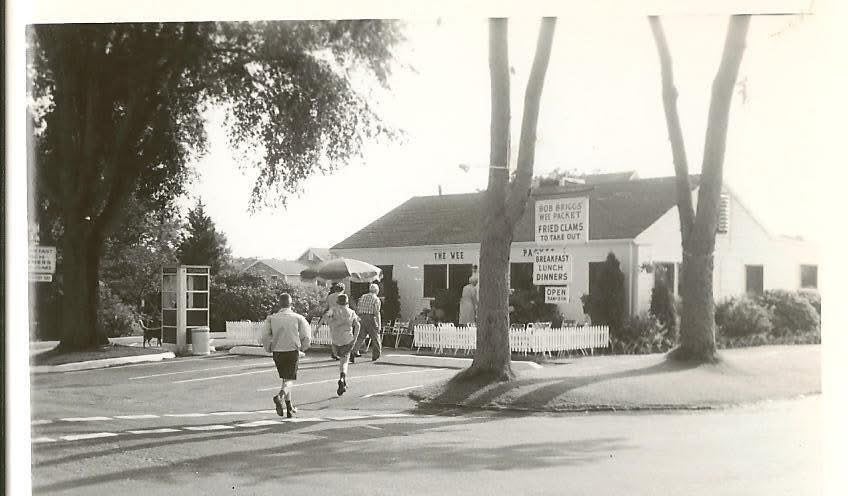
When the husband-and-wife duo bought the Dennis Port spot in 2005, they transformed the Wee Packet to include Irish breakfast to increase their morning business. Over the years, other clam shacks added space for indoor seating, full bars, or now even have servers that wait on customers.
Nickerson of Arnold’s, a restaurant that most of the Cape would consider a clam shack, said his initial image in his head of a clam shack and his own restaurant are not the same.
“We have a service bar, five bathrooms, and indoor dining,” Nickerson said. “It’s a little bit more sophisticated because you come inside to order the food.”
To stay relevant, these eateries have also had to adjust their menu for the growing number of diners who stay away from fried food. Even Cobie’s has changed in that regard, offering broiled seafood, salads, and smoothies.
“Kids don’t grow up on fried food today as much as they used to,” Slavin said.
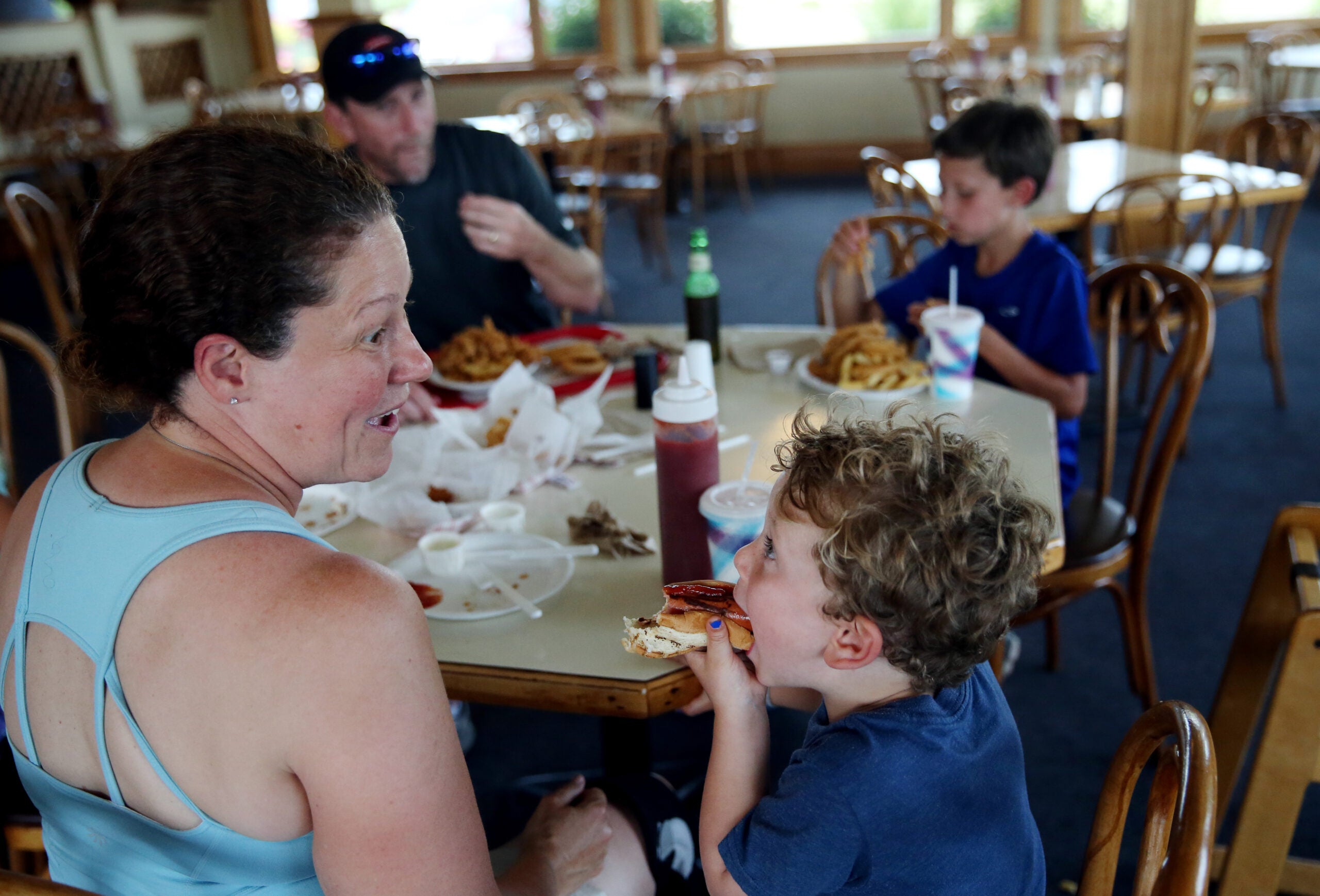
But while the Cape’s oldest clam shacks may look a little different, the nostalgia factor is still the key to their success. For most, that means getting the quality and quantity of the fried clams just right.
Before Eurenius took over the Chatham Kream N’ Kone, he worked for the previous owner of the clam shack and ice cream shop. He claims he hasn’t changed anything about the original recipes, which date back to 1953 when the original location opened in West Dennis.
“Somebody who came in in the 60s and 70s, and now they’re bringing in their kids or grandkids, it’s going to be the exact same food cooked the exact same way,” Eurenius said.
It often amounts to little touches. David Shortt said he paints the Wee Packet’s tables and chairs a fresh coat of yellow every year to keep the restaurant’s appearance the same for the generations of families that return every year.
“The history is there,” David Shortt said. “People want to come in just to feel that.”

Stay up to date on the latest food and drink news from Boston.com.



To comment, please create a screen name in your profile
To comment, please verify your email address
Conversation
This discussion has ended. Please join elsewhere on Boston.com